
Series of Earthquakes Shake Northern Chile, Residents on Alert
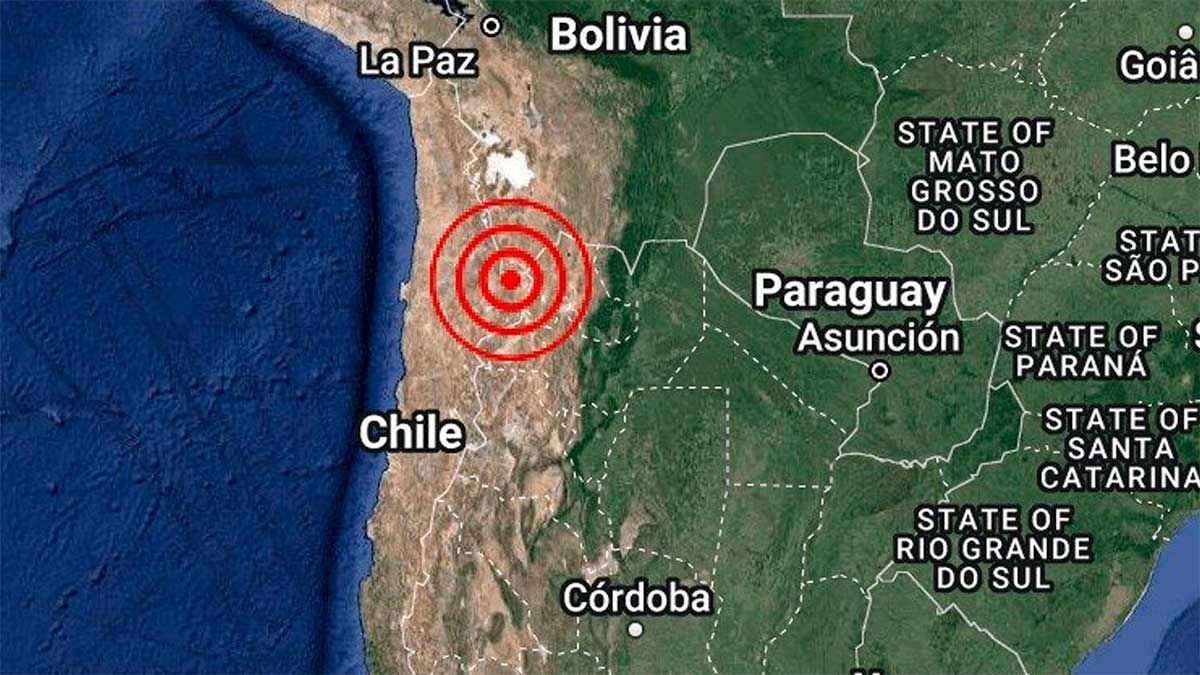
A series of seismic events has recently affected northern Chile, with the most significant tremor occurring on December 31, 2025. The earthquakes have raised concerns among residents and authorities, prompting reviews of geological conditions in the region.
The initial tremor, classified as of medium severity, began at approximately 15:14 UTC on December 31. While specific details regarding its magnitude are still being assessed, local reports indicate that the event was felt across various towns in the northern region. No immediate damage or injuries have been reported.
Following this, a magnitude 4.7 earthquake struck 57 kilometers south-southwest of Ollagüe, Chile, on January 1, 2026, at a depth of 131 kilometers. This event, occurring at 22:49 UTC, was classified as low in severity and did not seem to cause significant concern among the populace or emergency services.
The seismic activity continued on January 2, 2026, when a magnitude 4.5 earthquake was recorded 19 kilometers south-southwest of Diego de Almagro. This tremor occurred at a depth of 77 kilometers at 19:30 UTC. Again, while this event was noted, it did not prompt widespread alarm or emergency responses.
Just two days later, on January 4, a magnitude 4.9 earthquake was detected off the coast of Aisen, Chile, occurring at 00:00 UTC at a shallow depth of 10 kilometers. This earthquake also fell under the low severity category, and there were no immediate reports of damage or casualties associated with it.
The recurring seismic activity in the region has led to increased scrutiny of geological phenomena in northern Chile. Experts are investigating whether these recent tremors are indicative of a larger tectonic shift or simply a series of smaller quakes within the naturally seismically active region.
Chile is known for its vulnerability to earthquakes, being situated along the Pacific Ring of Fire, where several tectonic plates converge. The country has experienced some of the most powerful earthquakes in recorded history, including the devastating 2010 Maule earthquake.
As a precaution, local authorities have advised residents to remain vigilant and prepared for potential aftershocks, while also reviewing emergency response protocols. The National Seismological Center of Chile continues to monitor the situation closely, providing updates and safety information to the public.
In conclusion, while the recent earthquakes have not resulted in significant damage or injuries, they serve as a reminder of the seismic risks faced by the region. Residents are encouraged to stay informed and prepared as the geological assessments continue.
For more information on the seismic events in Chile, authorities urge the public to follow updates from the National Seismological Center and local news outlets.