Series of Earthquakes Rattle Mexico, with 6.5 Magnitude Quake Causing Widespread Aftershocks

Latest from X
Series of Earthquakes Rattle Mexico, with 6.5 Magnitude Quake Causing Widespread Aftershocks
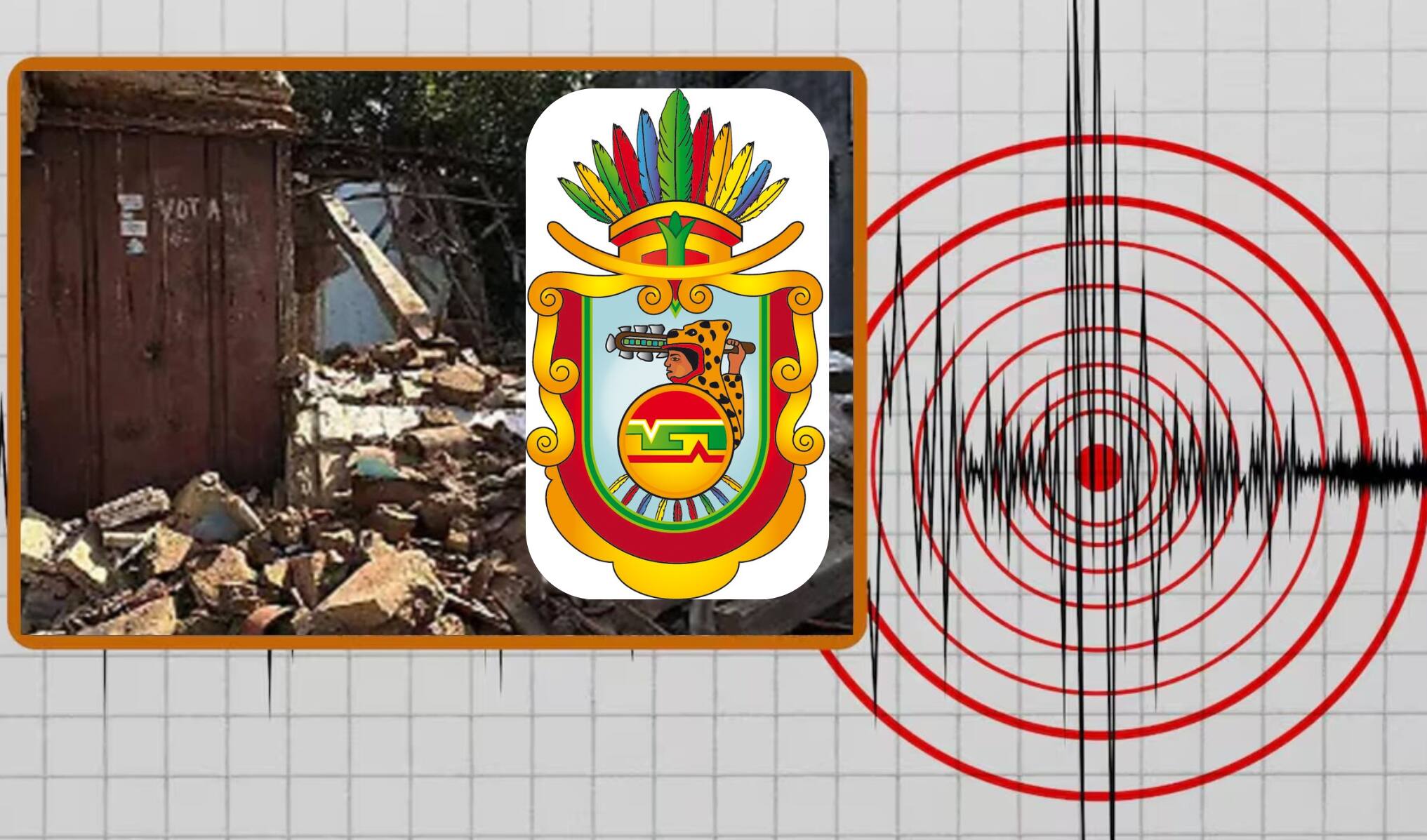
Mexico has been hit by a cluster of earthquakes in recent days, including a significant 6.5 magnitude event that has prompted concerns over structural damage and ongoing seismic activity. The most intense quake struck on January 2, 2026, near San Marcos in the state of Guerrero, highlighting the country's vulnerability to natural disasters in a seismically active region.
The series of tremors began with a 2.9 magnitude earthquake on December 30, 2025, followed by three more events on January 2, 2026. The largest, a 6.5 magnitude quake, occurred at a depth of 35 kilometers and was centered about 4 kilometers north-northwest of Rancho Viejo in Guerrero. This was accompanied by two smaller quakes: a 4.5 magnitude event 5 kilometers north-northwest of Las Vigas and another 4.5 magnitude tremor 3 kilometers south-southeast of San Marcos, both at depths of around 24 to 35 kilometers. While the smaller quakes were classified as low severity, the 6.5 magnitude event was deemed high severity, raising alarms due to its potential for broader impacts.
Reports from the affected areas indicate significant aftershocks, with more than 2,144 recorded in the days following the January 2 quakes, particularly around San Marcos. According to preliminary data, these aftershocks have led to visible damage, including cracked homes, destroyed roofing tiles, and the cordoning off of local temples and structures for safety assessments. The source article from gdelt details how residents in San Marcos are grappling with the ongoing instability, with communities on high alert for further seismic activity. No immediate fatalities have been reported across these events, but local authorities are conducting damage assessments to evaluate the full extent of the impacts.
Posts on X from verified accounts, including those associated with seismic monitoring services, have echoed these details, noting a 6.5 magnitude earthquake near San Marcos with an epicenter approximately 15 kilometers southwest of the area. These updates, shared by experts in seismology, emphasize the quake's depth of about 10 kilometers and its occurrence on January 2, 2026, at around 7:58 a.m. local time. While such posts provide real-time insights into the event's scale, they serve as preliminary reports and should be corroborated with official data, as seismic information can vary slightly based on monitoring sources.
Mexico's location along the Pacific Ring of Fire, a major zone of seismic and volcanic activity, contributes to its frequent earthquakes. The country experiences hundreds of tremors annually due to the interaction of tectonic plates, including the Cocos Plate subducting beneath the North American Plate. Historical events, such as the devastating 7.1 magnitude earthquake in Mexico City in 2017, which claimed over 300 lives, underscore the potential risks. In response to the recent quakes, the National Seismological Service (SSN) has been actively monitoring the region, issuing alerts and advising residents to prepare for possible aftershocks. Government officials have not yet released comprehensive response plans, but emergency services are on standby in affected states like Guerrero.
As investigations continue, experts are analyzing the data to better understand the seismic patterns. The clustering of these earthquakes within a short period raises questions about potential fault line stress, though no definitive links have been established. Residents in vulnerable areas are urged to follow safety protocols, such as participating in drills and securing household items, to mitigate risks from future events.
In conclusion, the recent earthquakes in Mexico, particularly the 6.5 magnitude strike near San Marcos, serve as a reminder of the nation's ongoing seismic challenges. With aftershocks persisting, authorities are focused on damage assessment and public safety, while seismic monitoring efforts remain heightened to track any developments. As Mexico navigates this period of instability, the emphasis is on preparedness and international cooperation to support affected communities.
Track this story live
Live World Map
Monitor global events in real time with a live activity map and hotspot summaries.
Earthquakes Today
Track recent quakes, magnitudes, and the most active seismic regions.
Earthquakes Near Me
Find earthquakes near your location with live seismic proximity tracking.
Tsunami Warnings
Check current tsunami warnings, alerts, and coastal threats from seismic activity worldwide.
Original Sources
- •
Editorial process: This article was synthesized from the original sources cited above using The World Now's AI editorial system, with byline accountability from our editorial team. We grade every story for source grounding, factual coherence, and on-topic match before publication. Read more about our editorial standards and contributors. Spot something inaccurate? Let us know.
Last updated: January 17, 2026