
Security Forces Clash with Terrorists in Fierce Gunfight in Jammu and Kashmir's Kathua Forests
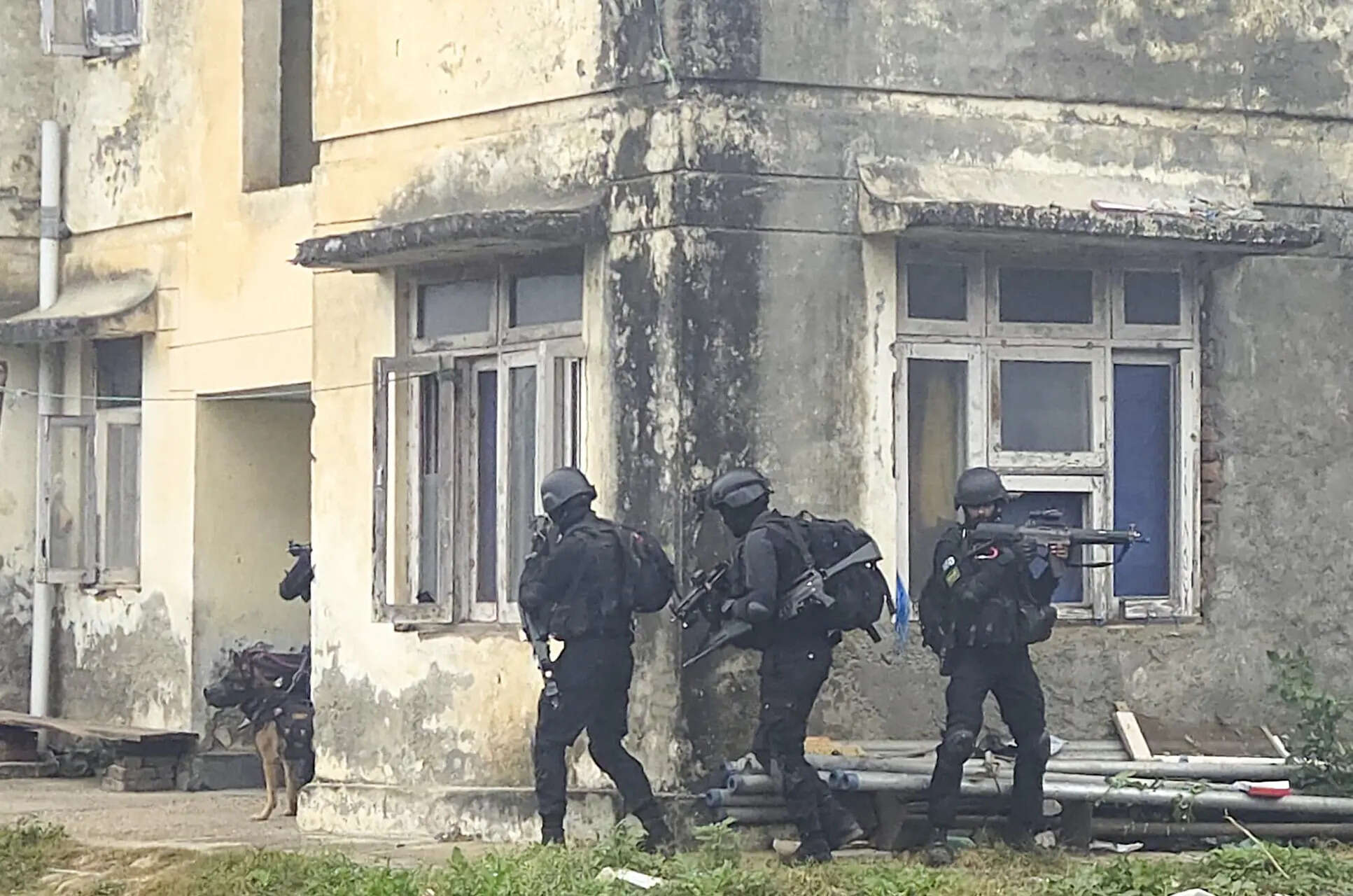
JAMMU, India – Security forces in Jammu and Kashmir's Kathua district engaged in an intense gun battle with a group of two to three suspected terrorists in the dense Billawar forests on Wednesday evening, following a tip-off about suspicious movements. The encounter, which began around 7:43 PM IST, underscores the persistent counter-terrorism challenges in the region.
The operation was launched jointly by the Indian Army, Jammu and Kashmir Police, and Central Reserve Police Force (CRPF) after receiving credible intelligence about terrorist activity in the forested area of Billawar tehsil, located in the Kathua district of the Jammu region. According to reports, the forces cordoned off the area upon detecting the suspects, leading to a firefight that has continued into the night despite challenging terrain and weather conditions. No casualties have been reported from either side as of the latest updates, and the operation remains ongoing.
This incident is emblematic of the security apparatus's proactive stance against militancy in Jammu and Kashmir. The Billawar forests, known for their thick vegetation and rugged landscape, have historically served as hideouts for militants infiltrating from across the Line of Control (LoC) or operating in the hinterlands. The tip-off that triggered the encounter highlights the effectiveness of local intelligence networks, which have been bolstered in recent years through enhanced coordination between central and state forces.
Ongoing Counter-Terror Operations in Jammu and Kashmir
The Kathua gunfight is part of a broader wave of counter-terrorism initiatives across Jammu and Kashmir, particularly in the Jammu province, which has witnessed a surge in militant activities since 2023. While the Kashmir Valley has traditionally been the epicenter of insurgency, the Jammu region—including districts like Kathua, Rajouri, and Poonch—has emerged as a new flashpoint. Militants, often affiliated with groups such as Lashkar-e-Taiba (LeT), Jaish-e-Mohammed (JeM), and The Resistance Front (TRF), have exploited the Pir Panjal range's forested terrain for ambushes and hideouts.
In 2024 alone, security forces neutralized over 70 terrorists in the region, according to official data from the Ministry of Home Affairs. High-profile encounters, such as those in Doda and Kishtwar districts, have resulted in the elimination of top commanders, including foreign militants from Pakistan. The Kathua operation aligns with this trend, where joint teams conduct "area domination" exercises based on specific inputs to prevent attacks on soft targets like pilgrims and security convoys.
The security situation in Jammu and Kashmir has evolved significantly since the abrogation of Article 370 in August 2019, which revoked the region's special status and led to its bifurcation into two Union Territories: Jammu and Kashmir, and Ladakh. While overall violence levels have declined—stone-pelting incidents dropped by over 90% and civilian fatalities by nearly 80% between 2019 and 2023, per government figures—targeted killings and ambushes persist. The Jammu region reported 15 terror-related incidents in 2025 up to December, a slight increase from the previous year, prompting intensified operations.
Regional Context and Security Measures
Kathua district, bordering Punjab and close to the international border, has been a hotspot for cross-border infiltration attempts. The Indian Army's White Knight Corps, responsible for the area, maintains a robust presence with forward posts and quick-reaction teams. Recent measures include the deployment of advanced surveillance drones, night-vision capabilities, and community outreach programs to gather real-time intelligence from locals.
Experts note that winter months often see heightened militant movements as snow-covered passes facilitate stealthy infiltration. The ongoing Amarnath Yatra preparations, which draw lakhs of pilgrims through Jammu routes, add urgency to such operations, as authorities aim to ensure zero terror disruptions.
Official statements from the Jammu and Kashmir Police and Army have yet to confirm the identities of the terrorists involved, but sources indicate they could be local recruits or hybrid militants blending into civilian areas. The cordon-and-search operation is expected to yield results soon, with reinforcements deployed to the site.
Outlook Amid Persistent Challenges
As the encounter in Kathua's Billawar forests unfolds, it serves as a reminder of the fragile security dynamics in Jammu and Kashmir. While the Centre's zero-tolerance policy has yielded tangible successes—over 200 terrorists neutralized since 2023—the threat of radicalization and external sponsorship remains. Upcoming assembly elections in the Union Territory, slated for late 2026, will test the region's stability further.
Security forces have urged civilians to stay away from the area and report suspicious activities, emphasizing community cooperation. Updates on the operation, including potential neutralizations, are anticipated in the coming hours. This incident reinforces India's multi-layered strategy to dismantle terror networks, blending kinetic operations with developmental initiatives to win hearts and minds in the region.
(Word count: 612)