
Scrutiny Surrounds Claims of Drone Attack on Putin's Residence
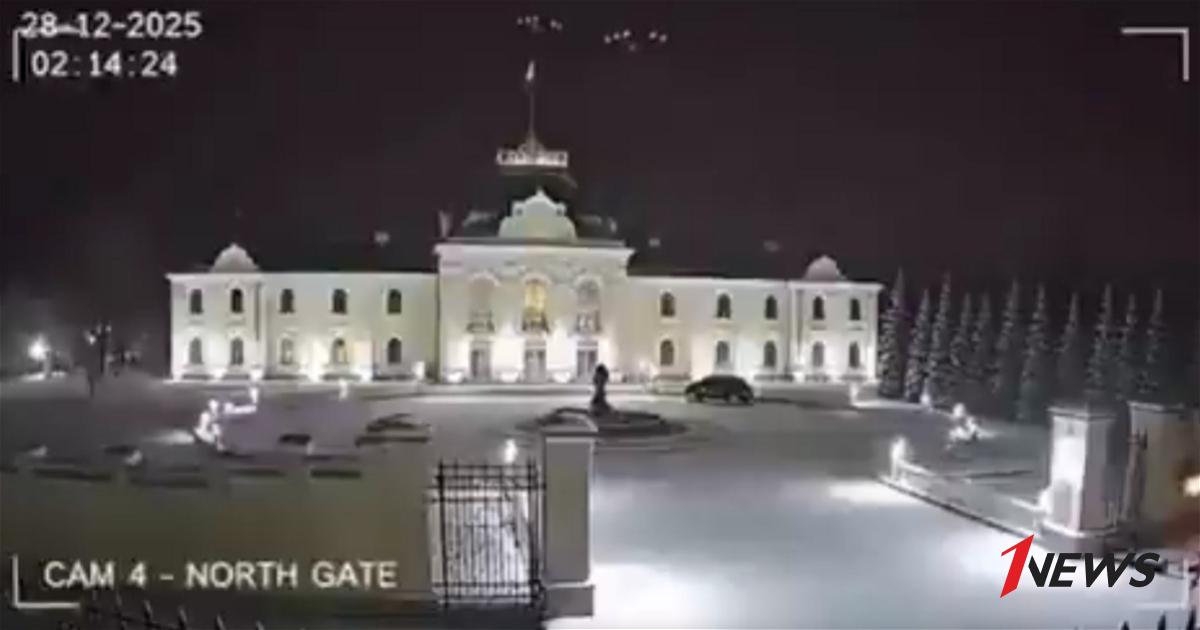
Claims regarding a purported drone attack targeting Russian President Vladimir Putin's residence on December 31, 2025, have drawn skepticism from experts, raising questions about the validity of the accusations leveled against Ukraine. The incident, which reportedly involved an unmanned aerial vehicle, has ignited debate within the media and among analysts about its implications and the motives behind the claims.
In the aftermath of the alleged attack, Russian officials quickly accused Ukraine of orchestrating the drone strike, intensifying the already fraught atmosphere between the two nations as the Russia-Ukraine War continues into its fourth year. However, many analysts are now suggesting that these allegations lack credible evidence, pointing to the possibility of a politically motivated narrative aimed at bolstering domestic support for the Kremlin amid ongoing military challenges.
Experts have highlighted that the circumstances surrounding the reported attack are unusual, noting that previous drone incidents have typically been more substantiated with tangible evidence, such as video footage or damage assessments. The absence of such evidence in this case has led to increased scrutiny over the Russian government's claims.
The timing of the accusations is particularly significant, coming at a moment when the Kremlin is facing mounting pressure on multiple fronts, including military setbacks in Ukraine and growing public dissatisfaction regarding economic conditions. Analysts suggest that framing Ukraine as a persistent threat could be a strategic move by the Kremlin to divert attention from domestic issues.
The latest claims of a drone attack also occur within a broader context of heightened tensions in the region. The ongoing conflict between Russia and Ukraine has seen various acts of violence and sabotage attributed to both sides. While Ukraine has previously conducted drone attacks against military targets within Russian territory, the assertion of an attack on Putin’s residence raises the stakes considerably and could provoke further military escalation.
Background reports indicate that the drone attack allegations are reflective of the ongoing propaganda war that accompanies the conflict, with both nations using media narratives to shape public perception and justify military actions. The Russian government has historically used such incidents to rally support for its military objectives, and the current situation appears to follow this pattern.
As the situation develops, the international community remains watchful. Analysts emphasize the importance of reliable information and caution against jumping to conclusions based solely on government statements. The complexity of the geopolitical landscape, coupled with the ongoing conflict, necessitates a careful examination of claims made by both Russia and Ukraine.
In conclusion, while the Russian government continues to assert that Ukraine was responsible for the alleged drone attack on President Putin's residence, the lack of credible evidence has cast doubt on these claims. As tensions remain high, the situation serves as a reminder of the intricate interplay between warfare, media narratives, and public perception in modern conflicts. The ongoing scrutiny of these claims will likely continue as both nations vie for control of the narrative in a protracted and devastating war.