Schools Reopen in Nigeria Amid Security Concerns Following Mass Abduction of 250 Children

Latest from X
Schools Reopen in Nigeria Amid Security Concerns Following Mass Abduction of 250 Children
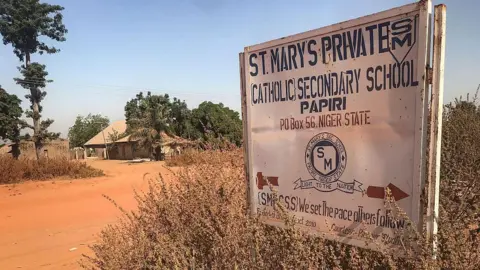
Lagos, Nigeria - In a significant development following a harrowing mass abduction in November 2025, schools in designated "safe and secure areas" of Niger state, Nigeria, are set to reopen as of January 4, 2026. The abduction of 250 children from a Catholic school in the northwest region last year sent shockwaves through the nation, highlighting the persistent security challenges in parts of the country. While the reopening marks a step toward normalcy, it also underscores the ongoing struggle to protect vulnerable communities from violent crime and insurgency.
According to the Niger state government, the decision to reopen schools comes after extensive security assessments to ensure the safety of students and staff. The Commissioner of Basic and Secondary Education, Dr. Hadiza Asebe Mohammed, emphasized that only schools in areas deemed secure would resume operations, though specific details on the security measures implemented were not disclosed. This cautious approach follows the release of the remaining abducted students in late December 2025, as confirmed by local authorities, bringing some relief to affected families.
The mass kidnapping in November was one of the largest of its kind in recent years, drawing renewed global attention to Nigeria’s security crisis. Gunmen stormed the school in Niger state, abducting over 300 students initially, though subsequent reports confirmed the number as 250. The incident was the second major attack in the region within a week, following a deadly assault on a church service. Such coordinated attacks have been attributed to armed groups operating in Nigeria’s northwest, often motivated by ransom demands or ideological goals.
Background: A Persistent Crisis of School Kidnappings
School abductions have become a grim hallmark of Nigeria’s security challenges, particularly in the northern regions. Over the past decade, thousands of students have been kidnapped by criminal gangs and insurgent groups, including Boko Haram, which notoriously abducted 276 schoolgirls from Chibok in 2014—an event that galvanized international outrage. The northwest, including Niger state, has seen a surge in such incidents since 2020, with hundreds of schools forced to close due to safety concerns, disrupting education for countless children.
The motives behind these kidnappings often involve financial gain, as families and authorities are pressured to pay hefty ransoms for the release of victims. However, the attacks also reflect broader issues of governance, poverty, and the proliferation of armed groups in under-policed regions. The Nigerian government has faced criticism for its handling of the crisis, with many calling for stronger military presence and systemic reforms to address the root causes of insecurity.
Community Response and Government Action
The reopening of schools has been met with a mix of hope and apprehension among parents and educators. While the return to education is seen as critical for the affected children, many fear that security guarantees may not hold in the face of persistent threats. Local communities have urged the government to deploy additional security forces around schools and to invest in long-term solutions, such as improved infrastructure and social programs to deter youth from joining criminal networks.
On the national level, President Bola Tinubu’s administration has vowed to prioritize security, though concrete results remain elusive for many Nigerians. The successful release of the abducted students in December was hailed as a victory, but questions linger about the sustainability of such efforts. International partners, including the United Nations, have also called for greater support to protect Nigeria’s education system, which has been severely disrupted by recurring violence.
Public Sentiment on Social Media
Posts on X reflect a range of emotions regarding the reopening of schools. Many users have expressed cautious optimism, while others highlight the need for robust security measures to prevent future abductions. The topic has garnered significant attention online, with calls for accountability and action trending alongside news of the reopening.
Outlook: A Fragile Path Forward
As schools in Niger state prepare to welcome students back, the reopening serves as both a symbol of resilience and a reminder of Nigeria’s unresolved security challenges. The government faces immense pressure to ensure that such incidents do not recur, while families and educators grapple with the psychological toll of the abductions. The path to restoring confidence in the education system will require sustained effort, collaboration, and a commitment to addressing the deeper issues fueling crime and instability in the region.
For now, the focus remains on the safety of the returning students and the hope that this reopening marks the beginning of a safer chapter for Nigeria’s children. However, the shadow of November’s mass abduction looms large, a stark warning that much work remains to be done.
Track this story live
Original Sources
- •
Editorial process: This article was synthesized from the original sources cited above using The World Now's AI editorial system, with byline accountability from our editorial team. We grade every story for source grounding, factual coherence, and on-topic match before publication. Read more about our editorial standards and contributors. Spot something inaccurate? Let us know.
Last updated: February 27, 2026






