
Saudi-UAE Tensions Escalate Amid Broader Middle East Rivalries, Evoking Fears of Regional 'New Cold War'
Dubai/Riyadh — Longstanding Gulf allies Saudi Arabia and the United Arab Emirates (UAE) are witnessing a sharp escalation in tensions, marking a potential shift from traditional brotherhood to open hostility, according to recent reports. The developments, which began on January 2, 2026, at 08:28:42 GMT, come amid heightened regional frictions, including ongoing Iran-Israel confrontations, and have prompted warnings of a "new Cold War" in the Middle East.
The escalation, rated as medium severity by monitoring services, underscores fractures within the Gulf Cooperation Council (GCC). A Korean-language report from E Today, aggregated by GDELT Project, highlights how Saudi-UAE strains follow in the wake of Iran-Israel hostilities, framing the situation as "on the brink" of broader conflict. This narrative draws parallels between ideological and strategic divides that once defined Cold War dynamics, now manifesting in the Arab world's power centers.
Details on the immediate triggers remain sparse, but the timing aligns with persistent underlying issues. Saudi Arabia and the UAE, both major oil producers and regional heavyweights, have cooperated extensively in the past, including joint military operations. However, divergences have grown pronounced in recent years, contributing to the current strain.
Historical Context of Saudi-UAE Relations
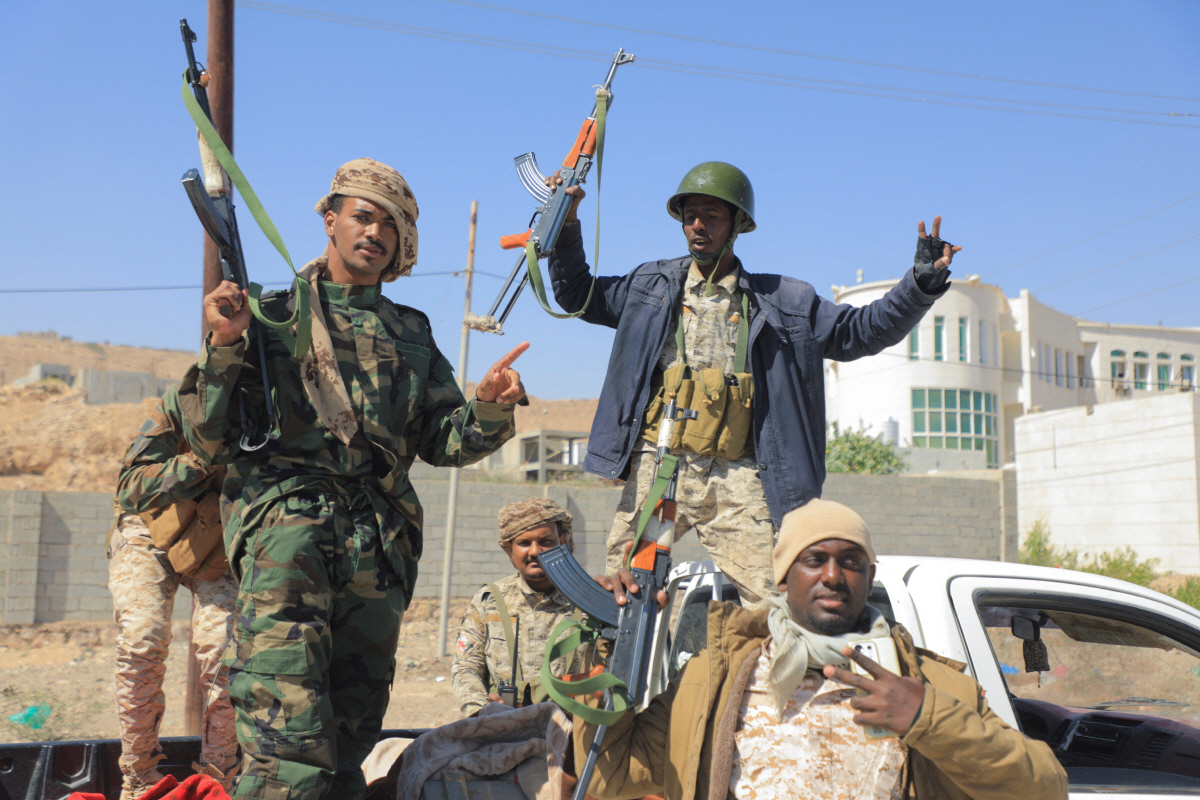
Saudi Arabia and the UAE have been pillars of Gulf stability since the GCC's formation in 1981. Their partnership peaked during the 2015 intervention in Yemen against Houthi rebels backed by Iran, where both nations deployed forces to counter what they viewed as Tehran's expansionism. Riyadh led the coalition, with Abu Dhabi providing significant ground troops and logistical support.
Cracks emerged around 2019 when the UAE began withdrawing its forces from Yemen, redirecting focus toward economic diversification and counterterrorism in the Horn of Africa. The UAE's backing of the Southern Transitional Council (STC), a separatist group in southern Yemen, clashed with Saudi efforts to unify the anti-Houthi front under a single government in Aden. This led to skirmishes between UAE-aligned forces and Saudi-backed elements, straining bilateral ties.
Economic rivalries have compounded military differences. Saudi Arabia's Vision 2030 megaprojects, such as NEOM—a $500 billion futuristic city—directly compete with Dubai's status as a global trade and tourism hub. Disagreements over OPEC+ oil production quotas further exacerbated tensions. In 2021, the UAE blocked an OPEC+ deal, demanding higher output baselines reflective of its expanded capacity, leading to a monthslong impasse before a compromise was reached.
By 2023, relations appeared to stabilize with high-level visits and joint statements reaffirming unity. Saudi Crown Prince Mohammed bin Salman and UAE President Sheikh Mohammed bin Zayed Al Nahyan exchanged visits, and both pursued similar paths toward normalization with Israel under the Abraham Accords—though Saudi Arabia has moved more cautiously, linking progress to Palestinian statehood.
Broader Geopolitical Flashpoints
The Saudi-UAE rift occurs against a volatile Middle East backdrop. Iran's proxy network, including Yemen's Houthis, has intensified attacks on Red Sea shipping since late 2023, prompting U.S.-led strikes and renewed coalition concerns. Israel-Iran shadow wars, marked by assassinations, cyberattacks, and missile exchanges, have escalated following the October 7, 2023, Hamas attack and subsequent Gaza conflict.
GDELT-tracked media, such as the E Today article published on January 7, 2026, positions the Gulf tensions as an extension of these dynamics. The piece suggests a "new Cold War" scenario where Sunni Arab states fracture along lines similar to U.S.-Soviet blocs, with Saudi Arabia anchoring a conservative Wahhabi-influenced axis and the UAE pursuing pragmatic, business-oriented diplomacy—including ties with Israel and even outreach to Syria's Bashar al-Assad.
OPEC+ cohesion remains a pressure point. As of 2025, both nations adhered to voluntary cuts amid global oil price volatility, but UAE pushes for quota revisions persist, given its production capacity exceeding 4 million barrels per day versus official limits.
Regional and Global Implications
The escalation threatens GCC unity, potentially weakening collective responses to shared threats like Iranian influence or energy market instability. Yemen remains a flashpoint: Saudi Arabia continues airstrikes against Houthis, while UAE influence in Socotra and southern ports provides leverage but also friction.
Internationally, the U.S. maintains defense pacts with both—via arms sales and basing rights—urging de-escalation. China, a growing partner through Belt and Road investments, has brokered Saudi-Iran détente in 2023, positioning itself as a mediator.
No official statements from Riyadh or Abu Dhabi confirm open hostility as of January 2026 reports, but diplomatic channels are reportedly active. The medium-severity rating indicates no immediate military confrontation, yet the symbolic shift from "brotherhood" rhetoric to tension signals risks for regional stability.
As Gulf states navigate post-oil transitions, resolving these frictions will be critical. Historical precedents show resilience—ties rebounded after 2021 OPEC clashes—but sustained escalation could reshape alliances, echoing Cold War-era divisions in a nuclear-armed neighborhood.
(Word count: 712)