
Saudi Coalition Airstrikes in Yemen Result in Casualties Among UAE-Backed Forces
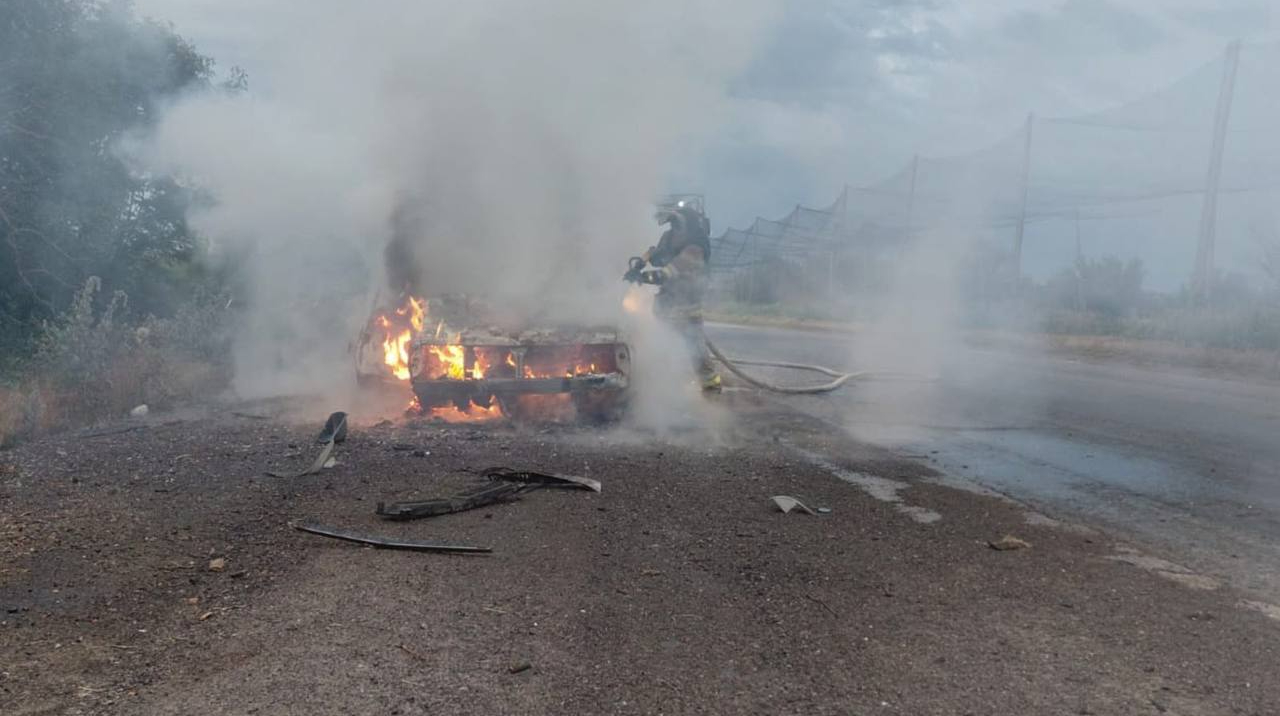
In a significant escalation of violence in Yemen, a recent airstrike by the Saudi-led coalition has resulted in the deaths of seven individuals, targeting forces allied with the United Arab Emirates (UAE). This incident raises serious concerns about national security dynamics in the region and the ongoing conflict that has persisted for several years.
The airstrike occurred on January 3, 2026, and targeted a location where UAE-backed forces were engaged in operations against Houthi rebels. The Saudi coalition has justified its actions by emphasizing the need to safeguard its national security interests amid the complex and often volatile situation in Yemen.
Context of the Conflict
The conflict in Yemen, which began in 2014, has seen various factions vying for control, leading to a humanitarian crisis of unprecedented scale. The Saudi-led coalition, which intervened in the conflict in 2015, has primarily aimed to restore the internationally recognized government of President Abdrabbuh Mansur Hadi. In contrast, the Houthis, a group from the northern part of the country, have received support from Iran and have managed to control significant territories, including the capital, Sana'a.
The coalition's recent airstrikes against UAE-backed forces signal a complex relationship among the coalition partners. Although the UAE has played a crucial role in fighting against the Houthis, there have been growing tensions and competing interests between Saudi Arabia and the UAE regarding the future political landscape in Yemen.
Implications for National Security
The recent escalation highlights the precarious nature of security in the region. Saudi Arabia's airstrike not only resulted in direct casualties but also risks exacerbating tensions between the coalition partners. Analysts suggest that such actions could lead to a recalibration of alliances and might affect the UAE's military strategy in Yemen.
A spokesperson for the Saudi coalition reiterated the necessity of these operations, emphasizing that they are aimed at countering threats posed by the Houthis and ensuring stability in southern Yemen. However, the strike has drawn criticism from various quarters, with calls for a more coordinated approach among coalition partners to effectively address the multifaceted challenges in the region.
Humanitarian Impact
The ongoing conflict has already resulted in one of the worst humanitarian crises in the world, with millions of Yemenis facing food insecurity, lack of medical care, and displacement. The recent airstrikes add to the suffering of civilians in the conflict-ridden country, further complicating efforts to deliver humanitarian assistance.
According to reports, the airstrikes have not only resulted in military casualties but have also raised concerns about potential civilian harm. Humanitarian organizations are urging all parties involved to adhere to international humanitarian law and protect civilian lives.
Conclusion
As the situation in Yemen continues to evolve, the recent Saudi coalition airstrikes against UAE-backed forces serve as a stark reminder of the complexities of the ongoing conflict. With shifting alliances and heightened tensions, the path toward peace and stability remains uncertain. The international community continues to call for dialogue and a comprehensive resolution to the Yemeni conflict to alleviate the suffering of the civilian population and restore lasting peace in the region.