Saudi Aramco Refinery in Jizan Hit by Houthi Drone Strike
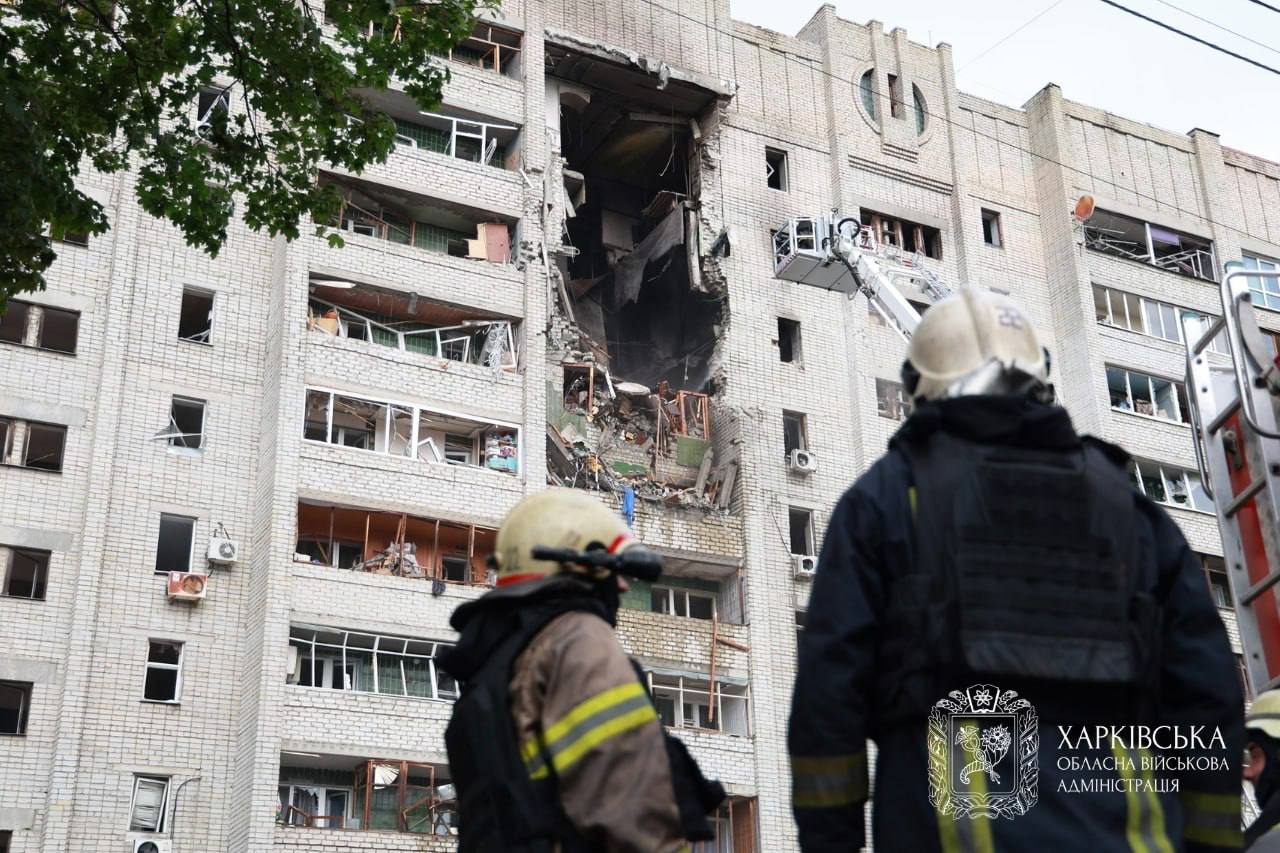
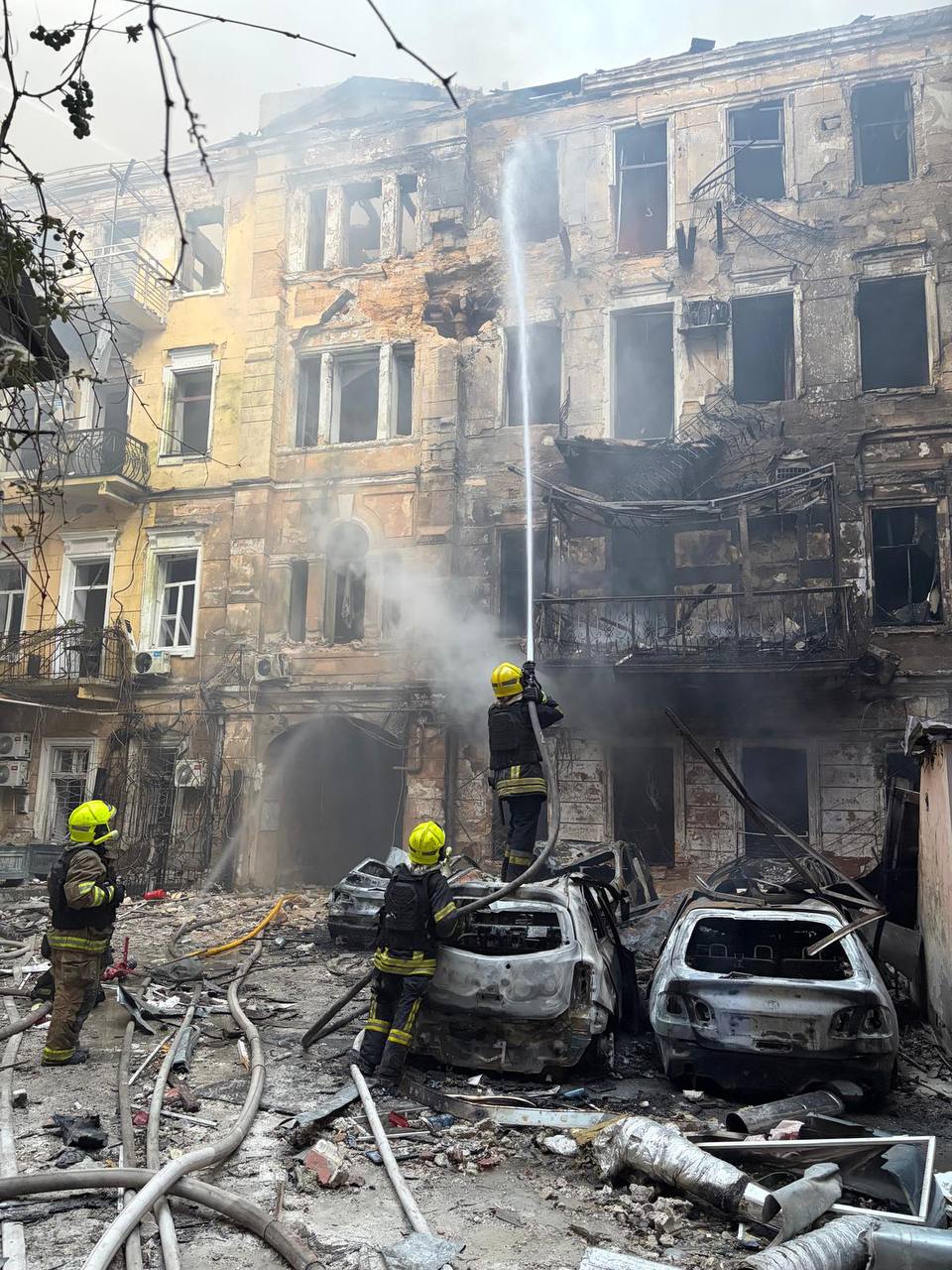
Yemen's Houthis claimed a drone strike on an Aramco oil refinery in Jizan, Saudi Arabia, on Sunday, hours after Saudi authorities reported extinguishing a fire at the facility with no injuries amid Saudi Arabia strikes on Houthi positions. [3] [2]
Houthi Claim of Drone Strike on Aramco Facility
Yemen's Iran-backed Houthi rebels said on Sunday they had struck an oil facility on Saudi Arabia's Red Sea coast after the Gulf kingdom said it had extinguished a fire at the site. [3] The group's military spokesman Yahya Saree said the Houthis had succeeded in targeting the Aramco refinery in Jizan with a drone, and the strike was precise. [3] [5] Yahya Saree added the attack had been launched in response to Saudi drone incursions into northwest Yemen. [3] [5] The attack was in response to Saudi drones breaching Yemen’s airspace over the provinces of Hajjah and Saada, he said. [5] Yemen’s Houthi group have claimed a drone attack on a Saudi Aramco facility in Jazan province. [5]
Saudi Response and Fire Containment
Earlier, Saudi Arabia's energy ministry said civil response teams had brought under control a fire at Jizan refinery without giving the cause of the blaze. [3] The facility was also targeted by Yemen's Houthi rebels in July. [3] Saudi Aramco's industrial security firefighting teams extinguished a fire that broke out at dawn today, Sunday, at one of the facilities belonging to the Saudi Aramco refinery in Jizan, without any injuries, the ministry said. [3] Early on Sunday, the Saudi Energy Ministry reported a fire at a facility belonging to the Aramco refinery, with no casualties. [5] The ministry said the fire was extinguished but it didn’t specify its cause. [5]

UN Security Council condemns Houthi drone attacks on Saudi Arabia. — Source: gdelt
Context of Escalating Yemen Conflict
Yemen's Houthis said they attacked an oil facility Sunday in southwestern Saudi Arabia, the latest attack by the Iranian-backed rebels on the kingdom. [1] They also attacked a crucial port on the Red Sea, further escalating the conflict over strategic waterways. [1] A 2022 truce in Yemen's civil war, which Saudi Arabia entered more than a decade ago on the side of the internationally recognised government, appeared to have collapsed last month, with the Houthis announcing a maritime blockade of its northern neighbour and hitting Saudi tankers in the Red Sea. [3] The Houthis control vast swathes of Yemen, including the capital Sanaa and areas on the border with Saudi Arabia's Red Sea provinces. [3] The Yemeni threat to shipping and Saudi oil facilities comes in parallel with Iran's blockade of the Strait of Hormuz. [3] The conflict between Saudi-Arabien and the Huthi was escalated anew a few weeks ago with airstrikes on the militia-controlled capital Sanaa. [2] Recently the Huthi also attacked several Saudi-Arabian ships or at least forced them to change course. [2] In the night to Friday the Islamists also attacked targets directly in Saudi-Arabien, whereby at least eleven people were injured. [2] In further Huthi attacks in the Yemeni province Marib at least two civilians were killed according to government information. [2]
UN Security Council Condemnation
The UN Security Council condemned the rocket attacks of the Iran-supported Yemeni Huthi rebels on Saudi-Arabien and on commercial ships from the kingdom. [2] The attacks threatened security in the region and the freedom of shipping traffic, it said in a statement published in the night by the member countries of the most powerful UN body. [2] The Huthi militia was called upon therein to refrain from an escalation. [2] Instead existing dialogue channels should be used. [2] The UN special envoy for Yemen, Hans Grundberg, wrote on the platform X that currently the risk of a new major conflict is higher than at any other point since the UN-mediated ceasefire in April 2022. [2] There is the danger that the country will be drawn into a more comprehensive regional confrontation with devastating consequences for the population. [2]
Parallel Regional Tensions with Iran
The Houthi actions parallel Iran's demands regarding the Strait of Hormuz. [5] Iranian Foreign Minister Abbas Araghchi said discussions with Oman over transit and management of the Strait of Hormuz were approaching the final stages, but added the reopening of the strategic waterway is subject to other conditions and compensation for the violation of the June agreement. [5] Security chief Mohammad Bagher Zolghadr on Saturday laid out a list of demands for reopening the strait, including an end to the war and aggression against Iran and its allies in Lebanon, Palestine, Yemen, and Iraq. [5] He also demanded the lifting of a parallel US naval blockade of Iran, the end of sanctions, the release of frozen assets and compensation for wartime damage, according to remarks reported by Tasnim news agency. [5] Iran's Revolutionary Guards, meanwhile, said Hormuz's reopening had nothing to do with the negotiations between Iran and Oman, adding that the enemy is forced to accept Iran's conditions for the opening of the strait. [5]
Broader Implications for Regional Stability
The conflict threatens also to complicate a peace solution in the war between the USA and Iran. [2] On the one hand the regional conflict is expanded to another stage. [2] On the other hand the pressure on the USA and Saudi-Arabien rises to militarily retaliate the attacks of the Huthi rebels on ships. [2] The conflict can replace a peace solution in the Iran war. [2] Akram al-Kaabi, leader of the Iraqi armed group Harakat al-Nujaba, has threatened military retaliation following reported U.S.-Saudi airstrikes against Iran-aligned Iraqi militias. [4] Al-Kaabi described diplomacy with Saudi Arabia as futile and called for a military response to the reported attacks. [4] In a statement, al-Kaabi said missiles should be met with missiles and fire with fire, signaling a tougher stance toward Saudi Arabia and its allies. [4]
What to watch next: The reported U.S.-Saudi strikes took place in late July and targeted Iraqi militia groups that Washington and Riyadh accuse of receiving support from Iran, while the United States and Saudi Arabia have also accused Iran-aligned groups of carrying out attacks against U.S. personnel and Saudi energy infrastructure. [4]