Saudi Arabia-UAE Conflict Escalates in Yemen Amid Military Campaign
In a significant escalation of the ongoing Saudi Arabia-Yemen conflict, Saudi forces have intensified their bombing campaign in Yemen, targeting factions supported by the United Arab Emirates (UAE). This development comes as the UAE prepares to withdraw its military presence from the region, raising tensions between two of the Middle East's most powerful nations.
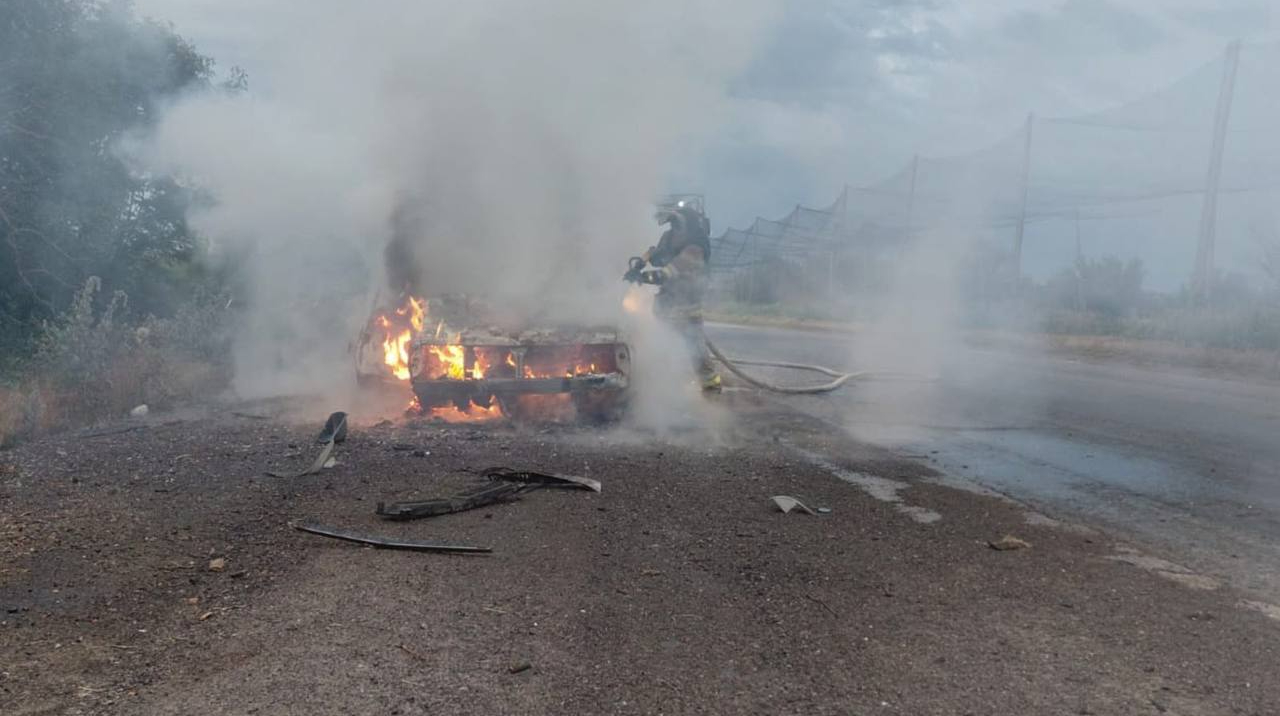
The recent conflict surge was marked by a series of airstrikes and ground operations initiated by Saudi Arabia on December 31, 2025. Saudi forces have reportedly targeted the Southern Transitional Council (STC), a separatist group backed by the UAE, following accusations of supporting separatist movements in southern Yemen.
According to reports, Saudi Arabia's military operations included the capture of a key military camp in Hadhramaut from the STC. The governor of Hadhramaut announced that the Nation’s Shield Forces successfully seized control of Brigade 37 camp located in the Al-Khashaa area, a strategic position in the ongoing conflict. This seizure signifies a pivotal moment in the struggle for control in southern Yemen, where various factions have been vying for power amid the ongoing civil war, which has persisted since 2015.
The conflict between Saudi Arabia and the UAE has intensified amid accusations of betrayal and diverging interests in Yemen. As Saudi Arabia embarks on a more aggressive military posture, the UAE's decision to withdraw its forces suggests a potential shift in its strategy in the region. The UAE has historically supported the STC in its quest for greater autonomy from the Yemeni government, leading to a complex and often violent power struggle.
In light of these developments, analysts are warning of a worsening humanitarian situation in Yemen, which is already facing one of the world's most severe humanitarian crises. The ongoing violence and military operations threaten to exacerbate the plight of millions of civilians in the region who are caught in the crossfire of the conflict.
The situation has drawn international attention, with calls for a renewed focus on diplomatic solutions to the ongoing crisis. The United Nations and various humanitarian organizations have urged all parties involved to cease hostilities and prioritize the safety and well-being of civilians.
Background
Yemen has been embroiled in a civil war since 2015, when Saudi Arabia intervened in support of the Yemeni government against Houthi rebels, who are backed by Iran. The conflict has since evolved into a multifaceted war involving various factions, including the STC, which seeks independence for southern Yemen. The humanitarian impact of the war has been devastating, with millions suffering from food insecurity, lack of medical care, and displacement.
As the conflict continues to unfold, the dynamics between Saudi Arabia and the UAE will be critical in shaping the future of Yemen and the broader regional landscape. With both countries now at odds, the potential for further escalation remains high, raising concerns about the implications for stability in the Middle East.
In conclusion, the current escalation of hostilities in Yemen not only highlights the complexities of the ongoing civil war but also reflects the shifting alliances and interests among regional powers. As the situation develops, the international community will be watching closely, hoping for a return to dialogue and peace negotiations to bring an end to the suffering in Yemen.