
Russian Strikes Trigger Widespread Blackouts in Ukraine's Dnipropetrovsk and Zaporizhzhia Regions
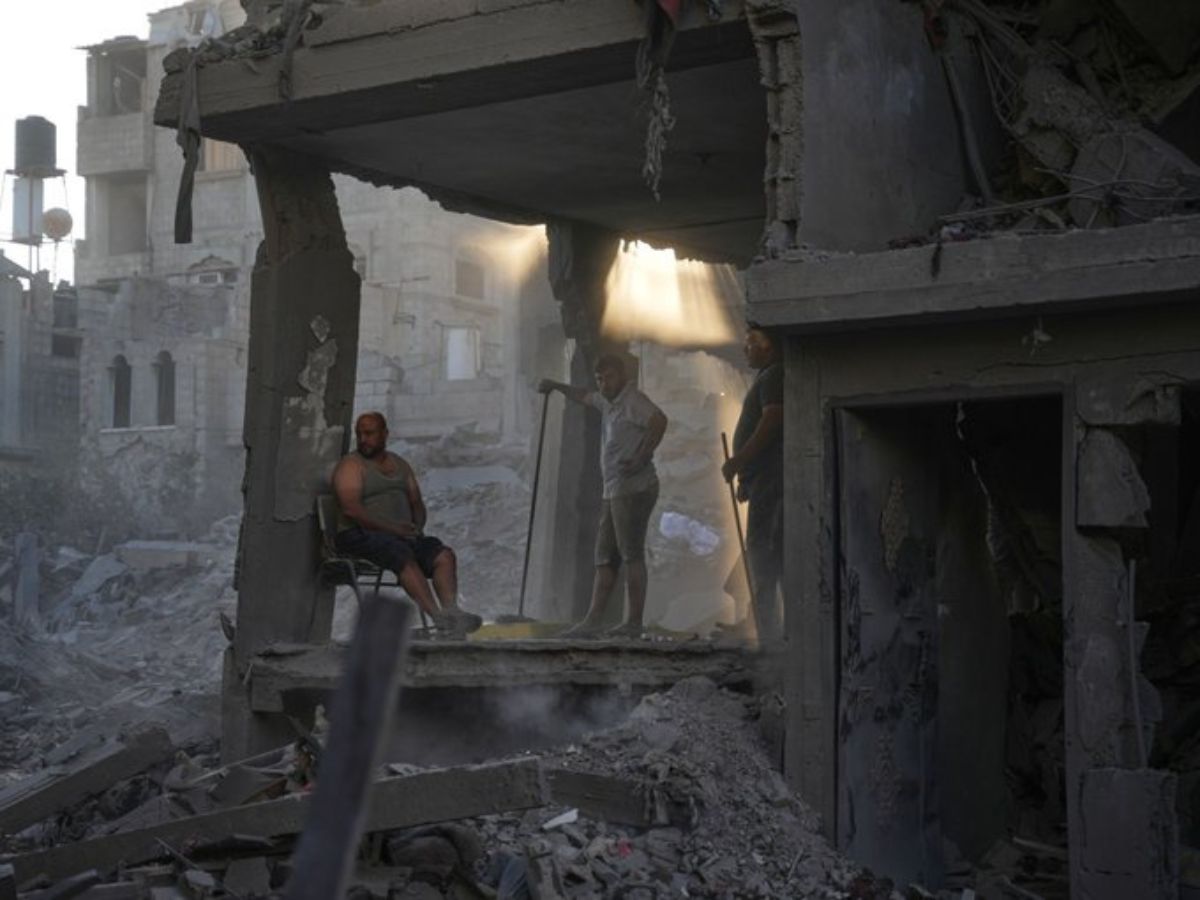
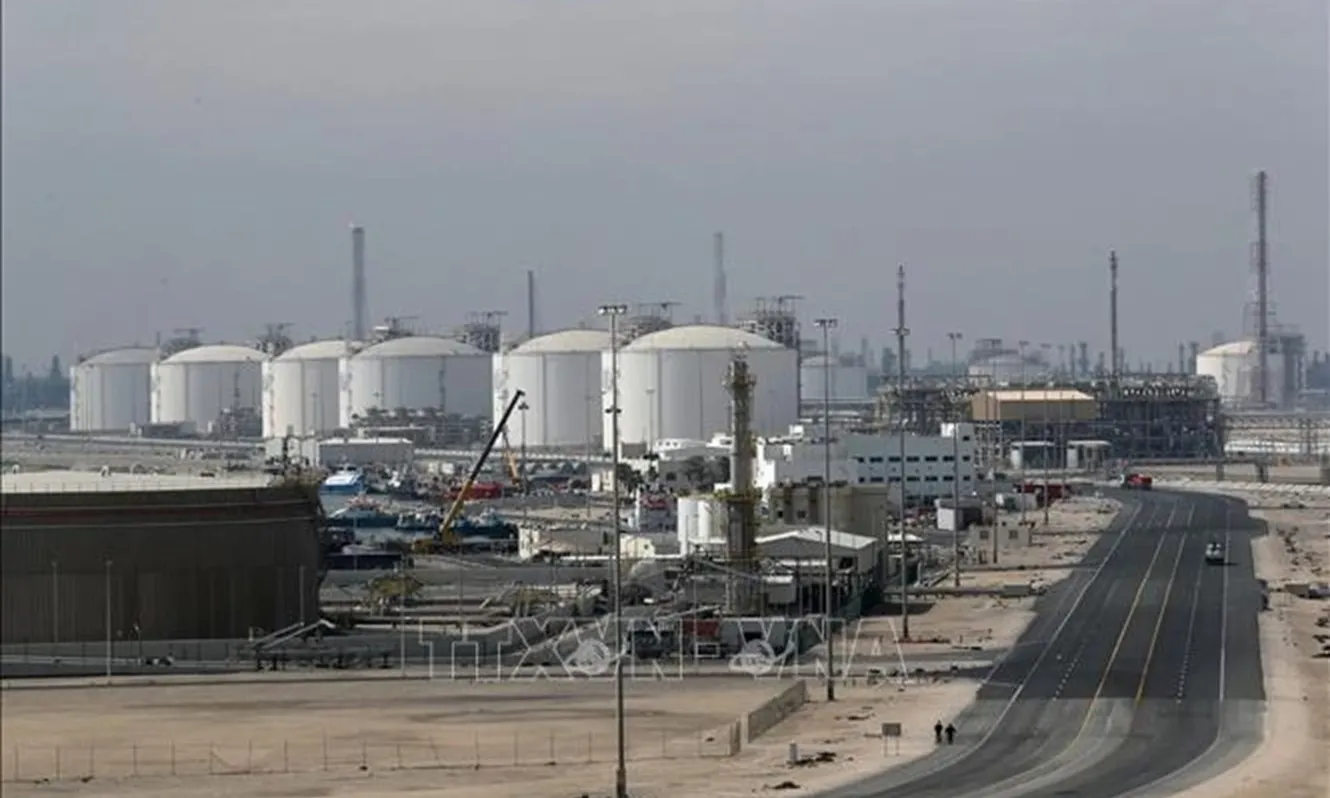
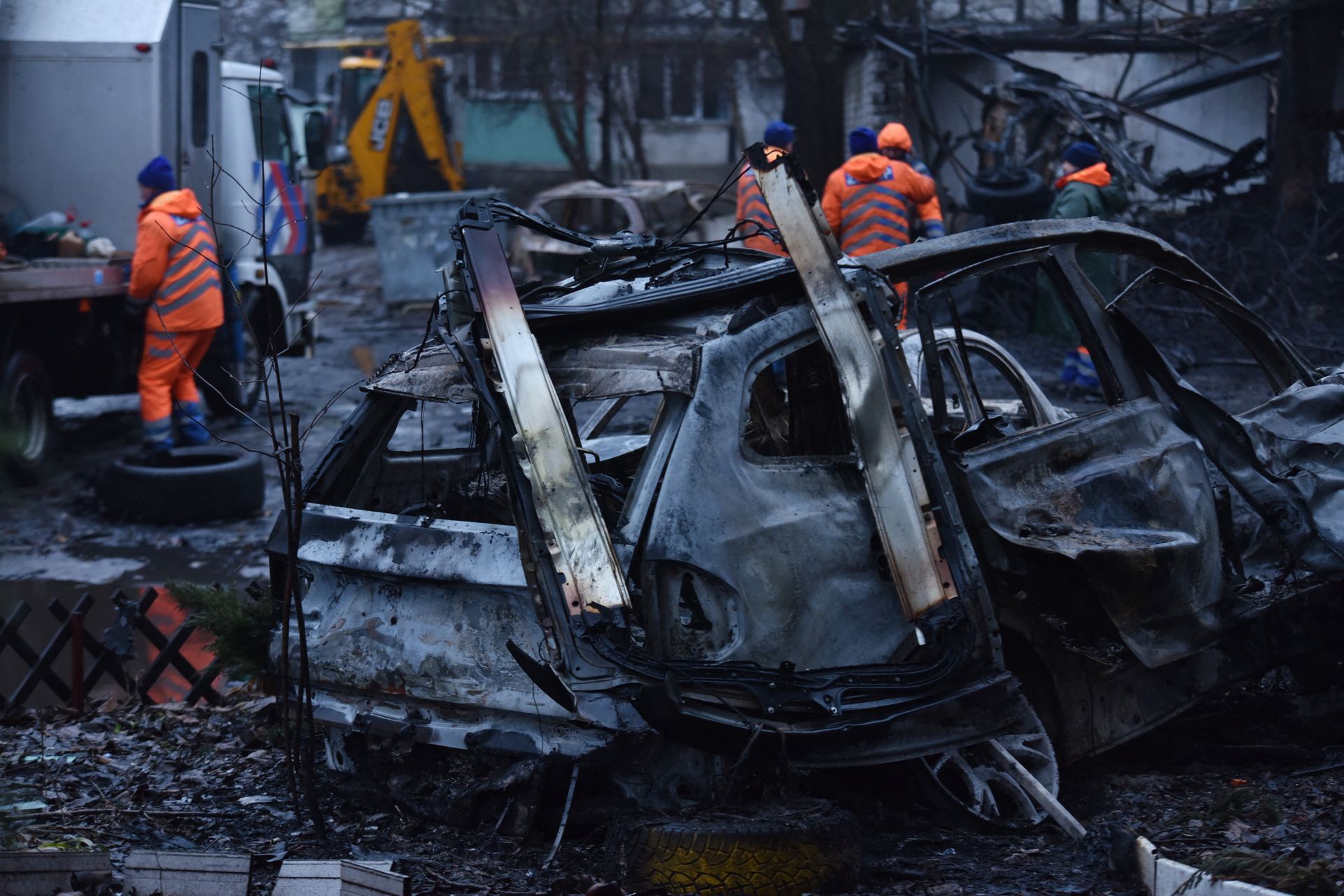
Kyiv, Ukraine – Russian missile and drone strikes on January 8, 2026, have plunged Ukraine's southeastern Dnipropetrovsk and Zaporizhzhia oblasts into near-total darkness, exacerbating hardships amid sub-zero winter temperatures. Officials reported almost complete power loss across these regions, with critical infrastructure including power plants severely damaged, leaving millions without electricity and, in some areas, water supplies.
The attacks began early Thursday morning, around 07:39 UTC, targeting energy facilities in a coordinated assault that has drawn widespread condemnation. According to Ukrainian reports, the strikes caused explosions at key power plants, resulting in blackouts that affected Dnipropetrovsk Oblast – home to the major city of Dnipro – and Zaporizhzhia Oblast, a frontline region partially occupied by Russian forces. The Kyiv Independent described the assault as bombing "two entire Ukrainian oblasts into darkness," highlighting the dire timing during freezing winter conditions, where temperatures have dipped below -10°C (14°F) in parts of the affected areas.
Emergency services and local authorities responded swiftly, but the scale of the damage has overwhelmed initial efforts. In Dnipro, residents reported not only power outages but also disruptions to water services, complicating daily life and heating needs. Ukrainian energy officials confirmed that the strikes inflicted high-severity damage on the grid, with repair timelines uncertain due to ongoing security threats and the harsh weather.
Escalation in Energy Infrastructure Attacks
This latest barrage fits into a broader pattern of Russian targeting of Ukraine's power generation and transmission infrastructure since the full-scale invasion began in February 2022. Russia has systematically attacked thermal and hydroelectric plants, substations, and grid lines, particularly intensifying efforts during winter months to maximize civilian discomfort and economic pressure. Last winter, similar strikes damaged or destroyed about half of Ukraine's power capacity, leading to rolling blackouts nationwide and forcing the government to ration electricity.
Dnipropetrovsk and Zaporizhzhia are strategically vital: Dnipropetrovsk is an industrial hub producing military equipment and hosting major population centers, while Zaporizhzhia includes the Zaporizhzhia Nuclear Power Plant – Europe's largest, under Russian control since March 2022 – and surrounding energy assets. The International Atomic Energy Agency (IAEA) has repeatedly warned of risks to nuclear safety from strikes near the facility, though no direct hits on the plant were reported in this incident.
Ukraine's Air Force stated that Russia launched a combination of ballistic missiles and Shahed-type drones, with most intercepted but enough penetrating defenses to cause catastrophic failures. The Energy Ministry noted that while backup generators are deployed in hospitals and essential services, prolonged outages could lead to humanitarian crises, including hypothermia risks for vulnerable populations.
Background on the Conflict's Energy Warfare
The Russia-Ukraine war, now in its fourth year, has seen energy infrastructure become a primary battleground. Following Ukraine's successful counteroffensives in Kharkiv and Kherson in late 2022, Russia shifted to long-range strikes on civilian and economic targets. In the 2022-2023 winter, attacks peaked, knocking out 40% of Ukraine's generating capacity and prompting EU nations to provide generators, transformers, and repair expertise.
Western allies, including the United States and European Union, have supplied air defense systems like Patriot missiles to counter these threats, but Ukraine has appealed for more as Russian production of drones and missiles ramps up with Iranian and North Korean assistance. Russia claims its strikes target military-industrial objectives, but independent analyses from groups like the Institute for the Study of War (ISW) indicate a deliberate strategy to erode civilian morale.
Internationally, the UN and human rights organizations have labeled such attacks as potential violations of international humanitarian law, urging restraint. Ukrainian President Volodymyr Zelenskyy has frequently highlighted these strikes in appeals for aid, noting in recent addresses that restoring the energy grid requires billions in investment.
Outlook Amid Winter Vulnerabilities
As repairs begin, Ukrainian authorities are distributing humanitarian aid, including blankets, food, and portable heaters, while encouraging remote work and reduced consumption. The timing – deep into winter – amplifies the impact, with forecasts predicting continued cold snaps through mid-January.
Longer-term, Ukraine aims to bolster its grid resilience through decentralized solar installations and Western-funded reconstructions, but experts warn that without enhanced air defenses, blackouts could persist. Russia shows no signs of relenting, with military analysts anticipating further strikes as ground fighting stalls along the 1,000-km front line.
This event underscores the war's grinding attrition, where control over basic utilities remains a weapon. International monitors continue to track developments, as the human cost mounts in Ukraine's coldest months.
(Word count: 612)