
Russia loses 1,160 soldiers over past day in Ukraine conflict
Ukraine’s General Staff has reported fresh losses for Russian forces amid the ongoing conflict ukraine, underscoring the intensity of daily fighting even as broader battlefield momentum appears to have shifted. The update arrives alongside multiple indicators that Russian operations face mounting constraints, from stalled advances to logistical pressures that now reach into occupied territories.
Daily Russian casualties
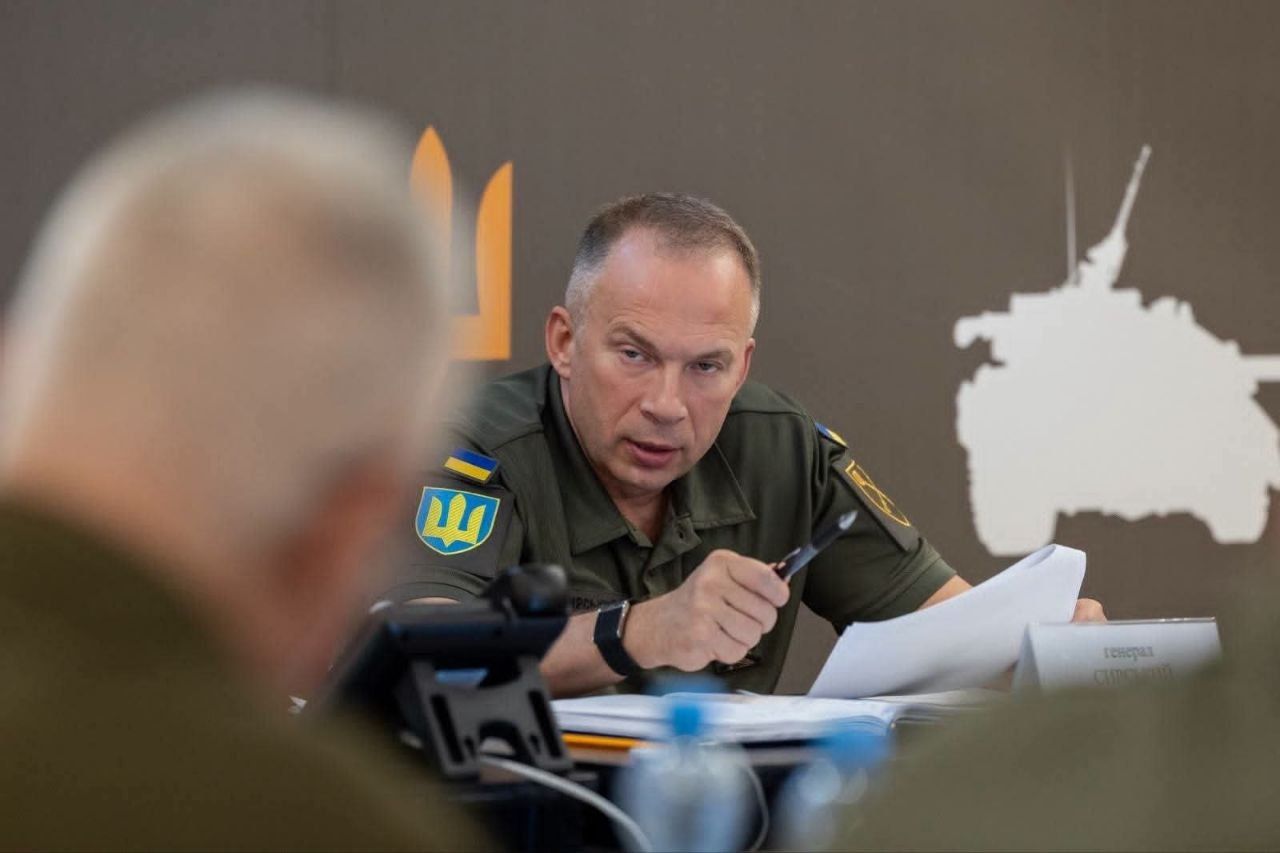
Ukraine's General Staff has updated data on Russian losses, stating that Russia lost 1,160 soldiers killed and wounded over the past day [1]. This single-day figure forms part of a continuing tally maintained by Ukrainian military authorities and released through official channels. The reported total encompasses both fatalities and injuries sustained in combat across multiple sectors. Such daily releases have become a standard element of Ukraine’s information efforts during the conflict ukraine, providing a numerical snapshot of attrition rates claimed by one side. Observers note that these figures are presented without independent verification on the ground, yet they remain a consistent reference point for tracking claimed Russian personnel losses. The 1,160 figure for the most recent twenty-four-hour period fits within the pattern of similar announcements issued in preceding days and weeks.
Frontline developments
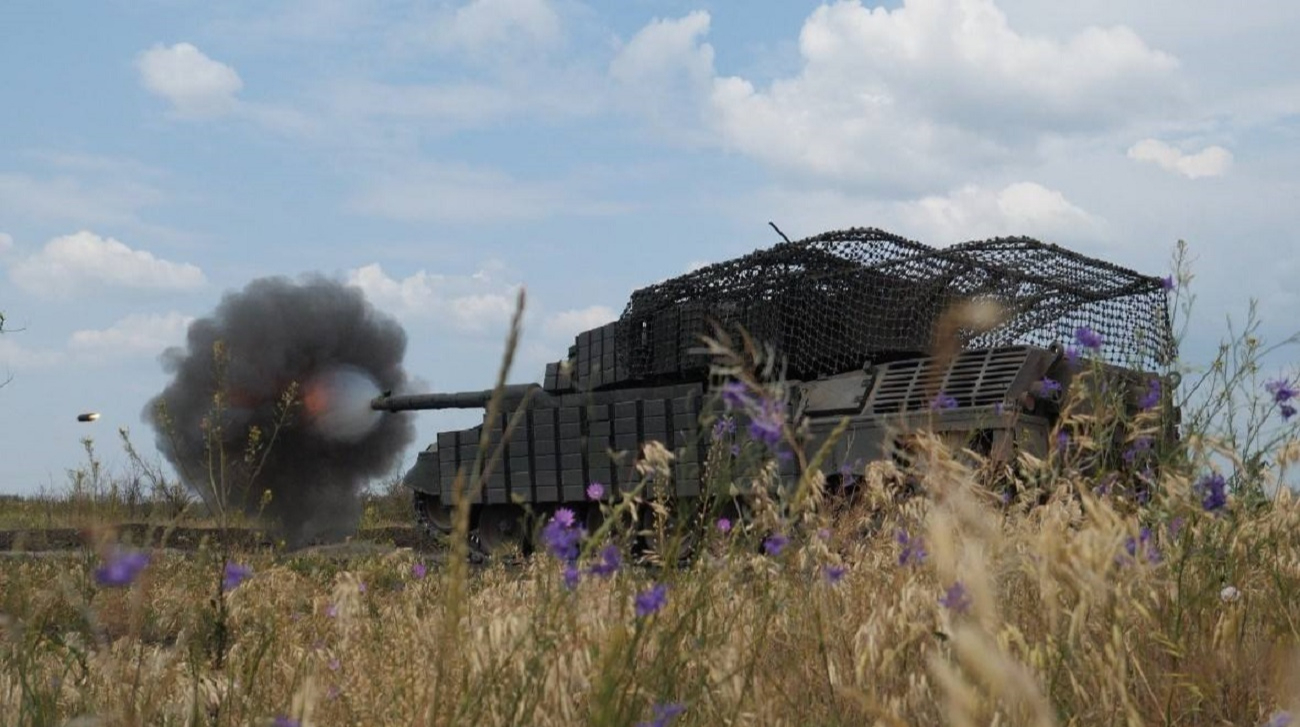
Russia's offensive in Ukraine has ground to a halt according to battlefield reporting that tracks movements from areas such as Mala Tokmachka toward Crimea [3]. This assessment reflects a period in which Russian units have been unable to achieve significant territorial gains despite sustained pressure in several directions. Reporting describes a slowdown that has persisted long enough to affect rear-area support systems, limiting the ability of advancing forces to maintain forward momentum. The halt has been linked directly to operational constraints that reduce the pace of resupply and reinforcement along extended lines. In the context of the conflict ukraine, this development marks a departure from earlier phases when Russian forces sought rapid breakthroughs. Current conditions instead point to a more static posture where incremental probes replace large-scale maneuvers.

Ukraine reports 1160 Russian troops killed or wounded in one day of fighting. — Source: gdelt
Effects in Crimea
Crimea faces fuel rationing linked to the stalled Russian push, with measures now in place that restrict civilian and possibly military fuel distribution [3]. The imposition of rationing stems from disruptions in supply chains that were previously sustained by forward momentum. When advances slow, the demand for fuel in rear and support areas remains high while delivery becomes more difficult. This situation has extended rationing protocols into Crimea itself, affecting local availability and forcing adjustments in consumption patterns. The connection between the halted offensive and these shortages illustrates how battlefield conditions can produce immediate effects hundreds of kilometers behind the front. Within the wider conflict ukraine, such developments highlight vulnerabilities in logistics that extend beyond active combat zones.
Ukrainian rear-area operations
Ukraine has launched the Logistics Lockdown programme to expand middle-strike attacks on Russian rear areas [4]. Ukraine’s Defence Minister Mykhailo Fedorov announced the initiative, which aims to intensify strikes against Russian capabilities located in the operational rear. The programme focuses on systematic targeting of logistics nodes and support infrastructure to degrade Russian sustainment. By expanding the scope of middle-strike operations, Ukrainian forces seek to compound the difficulties already experienced by Russian units whose forward progress has slowed. The effort represents a deliberate shift toward deeper interdiction rather than solely contesting frontline positions. In the setting of the conflict ukraine, this approach aligns with efforts to exploit any stagnation in Russian offensive activity.
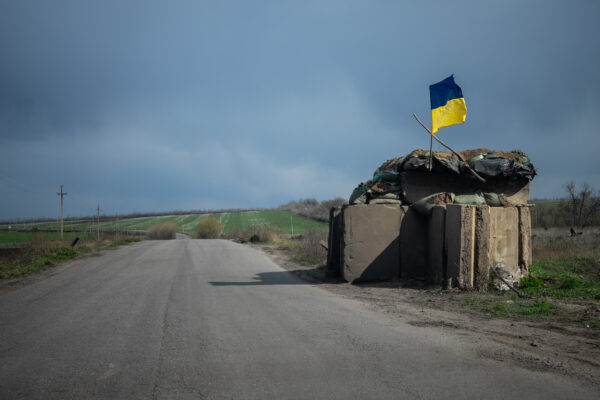
Russian offensive stalls as Crimea imposes fuel rations in Ukraine conflict update. — Source: euobserver
Recent escalation patterns
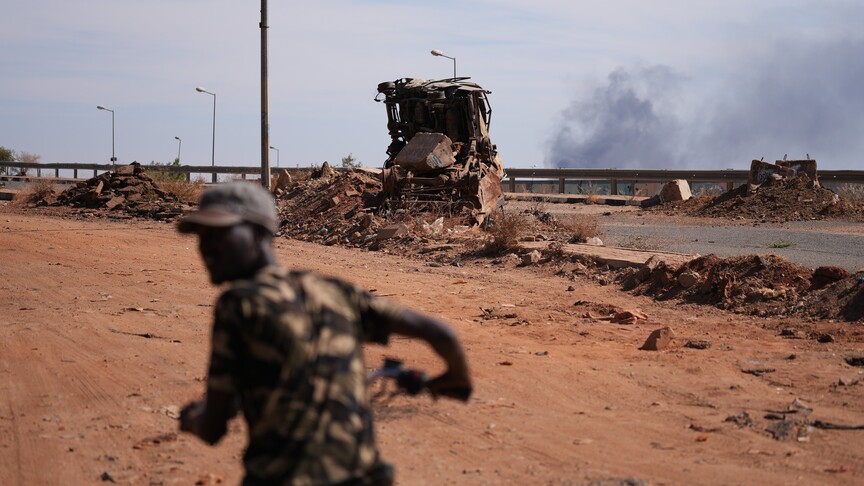
Reports document a renewed cycle of retaliatory attacks that has intensified the conflict ukraine in recent days [2][5]. These exchanges involve strikes and counter-strikes that follow established patterns of response between the two sides. The timing of such activity coincides with the reported Russian casualties and the observed pause in offensive operations. Sources tracking the developments describe the situation as a spiral of retaliation that keeps pressure on both military and civilian infrastructure. The pattern underscores how pauses in territorial movement do not necessarily translate into reduced violence overall. Within the conflict ukraine, these cycles contribute to a steady rhythm of strikes that affect rear areas and logistics alike.
Logistics pressures and programme responses
The combination of halted advances and targeted Ukrainian strikes has placed additional strain on Russian supply lines, prompting the Logistics Lockdown programme as a direct countermeasure [4][3]. Ukrainian authorities have framed the new initiative as a means to systematically reduce Russian operational capacity away from the immediate front. This focus on middle-strike attacks complements the reported fuel shortages emerging in Crimea and other rear zones. The interplay between stalled ground operations and expanded aerial or missile interdiction creates a feedback loop that further complicates Russian sustainment efforts. Observers following the conflict ukraine note that such dynamics can prolong periods of limited movement while increasing the cost of maintaining static positions.
What to watch next
Continued updates from Ukraine’s General Staff on daily Russian losses will indicate whether the 1,160 figure marks an outlier or part of a sustained trend. Monitoring the reach of the Logistics Lockdown programme and any adjustments to fuel rationing in Crimea will reveal how rear-area pressures evolve alongside the stalled offensive.