
Russia Labels Western Peacekeeping Plans in Ukraine 'Dangerous,' Declares Foreign Troops Legitimate Targets
Moscow has issued a stark warning against proposed Western military deployments in Ukraine, branding the initiative an "axis of war" and stating that any foreign troops sent there would be considered legitimate combat targets. The rebuff comes days after Ukrainian President Volodymyr Zelensky called for British and French military presence as part of any peace deal, and follows announcements from Ukraine's European allies on new security guarantees for Kyiv.
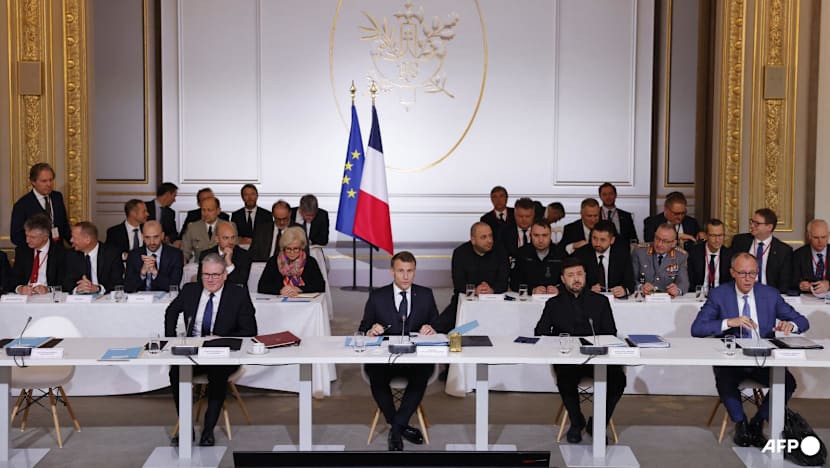
On January 4, 2026, Zelensky emphasized that a sustainable peace agreement must include troops from the United Kingdom and France to bolster Ukraine's security amid ongoing hostilities with Russia. This position gained traction at a recent summit in Paris, where Ukraine's allies reportedly agreed on key security guarantees, including potential multinational peacekeeping forces contingent on a ceasefire.
Russia's response, articulated on January 8, was swift and unequivocal. In its first public comments on the Paris summit outcomes, Moscow condemned the plan as "militarist," "dangerous," and "destructive." Russian officials described Ukraine and its Western backers as forming an "axis of war," a phrase echoing historical rhetoric while signaling deep opposition to any foreign military footprint on Ukrainian soil. The Foreign Ministry explicitly warned that troops dispatched by Western governments—particularly from Britain and France—would be viewed as legitimate military targets, effectively dashing hopes for a rapid resolution as the conflict nears its four-year anniversary since Russia's full-scale invasion in February 2022.
The announcements from Britain and France have not been detailed in public statements, but reports indicate they involve deploying a multinational force in the event of a ceasefire. This proposal aligns with Zelensky's medium-severity appeal for enhanced deterrence, framed as essential to prevent Russian re-invasion. However, Russia's position underscores the chasm between Moscow and the West, with Kremlin spokespeople appearing to preempt any such deployments by framing them as escalatory provocations.
Escalating Rhetoric and Broader Tensions
Russia's rhetoric has intensified alongside other flashpoints. In parallel developments, Moscow criticized a U.S. action to seize a Russian-flagged tanker, accusing Washington of heightening global tensions. This incident, mentioned in Russian commentary, adds to the layered frictions, as the Ukraine conflict intersects with wider geopolitical strains involving NATO, the European Union, and transatlantic allies.
Multiple outlets reported Russia's consistent messaging on January 8. Channel News Asia highlighted Moscow's dismissal of the European plan as militaristic, noting it occurred as the war approached its fourth year. Newsmax quoted Russian statements designating foreign troops as "legitimate combat targets" post-Britain and France's ceasefire-linked deployment plans. CNN echoed this, headlining Russia's declaration that any such forces would be "legitimate targets." The Times of India captured the vivid "axis of war" label, linking it to warnings against EU-led peacekeeping and U.S. tanker seizure claims.
These responses reflect Russia's long-standing red lines on foreign intervention in Ukraine. Since the invasion, Moscow has repeatedly viewed NATO expansion and Western arms supplies as existential threats, vetoing UN resolutions and conducting military drills near borders.
Background on the Ukraine Conflict and Peace Efforts
The Russia-Ukraine war, which began with Russia's annexation of Crimea in 2014 and escalated into full-scale invasion on February 24, 2022, has resulted in hundreds of thousands of casualties, mass displacement, and widespread destruction. Ceasefire talks, including the Minsk agreements, have repeatedly stalled over issues like territorial control, demilitarization, and security assurances.
Zelensky's January 4 call revives discussions of peacekeeping models seen in past conflicts, such as NATO-led forces in the Balkans. European leaders, including those from France and the UK—key providers of military aid to Kyiv—have pushed for robust post-conflict guarantees. France has advocated for strategic autonomy within Europe, while the UK has championed unwavering support for Ukraine. However, Russia's invasion has frozen direct negotiations, with recent months seeing intensified battlefield fighting in eastern Ukraine despite U.S. and EU sanctions.
Outlook Amid Stalemate
Russia's rebuff complicates fragile diplomatic channels, including indirect talks via Turkey and potential U.S. involvement under evolving administrations. As the conflict grinds on, with Ukraine facing manpower shortages and Russia advancing in Donbas, the peacekeeping proposal highlights divergent visions for peace: Kyiv seeks ironclad Western backing, while Moscow demands Ukrainian neutrality and no foreign bases.
No immediate troop movements have been confirmed, and Western capitals have tempered expectations, emphasizing that deployments would hinge on a verifiable ceasefire. Yet, the exchange risks further militarizing the stalemate, prolonging a war that has reshaped global alliances and energy markets.
(Word count: 682)






