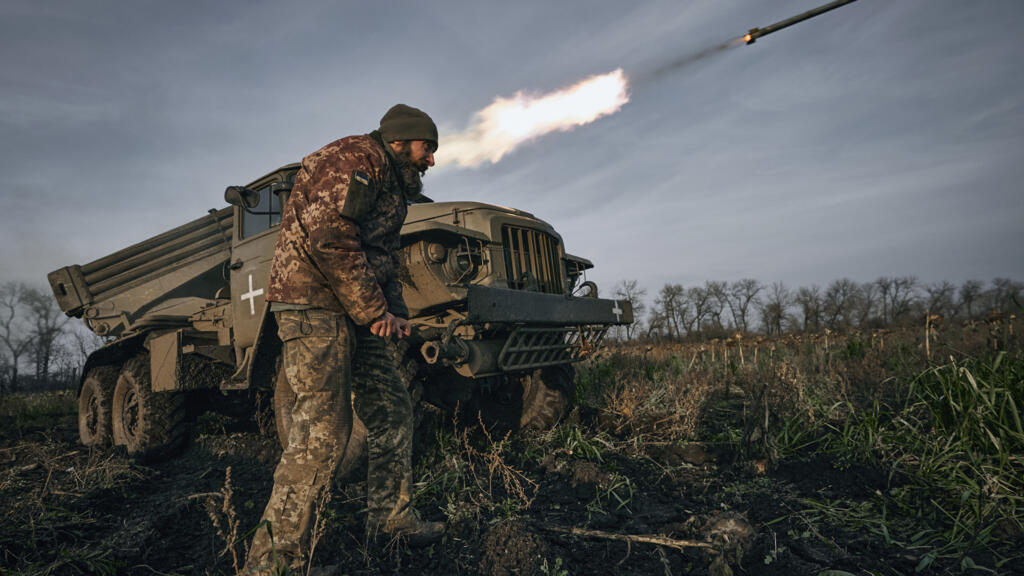

Russia Labels Potential Western Troops in Ukraine as 'Legitimate Targets' Following Zelensky's Security Demands
Kyiv/Moscow — Ukrainian President Volodymyr Zelensky has intensified calls for a sustained Western military presence in Ukraine as part of any peace agreement, prompting France and Britain to announce plans for a multinational force in a potential ceasefire scenario. Russia swiftly rebuked the move on Thursday, January 8, 2026, declaring that any foreign troops deployed would be considered "legitimate combat targets."
Zelensky's statement, delivered on January 4, 2026, underscored the need for British and French military personnel on Ukrainian soil to guarantee security under a prospective peace deal. This proposal comes amid protracted negotiations to end Russia's full-scale invasion, which began in February 2022 and has resulted in hundreds of thousands of casualties, widespread destruction, and the displacement of millions. Zelensky argued that such a presence would deter future aggression, echoing long-standing Ukrainian demands for robust security guarantees akin to NATO's Article 5 mutual defense clause.
France and Britain responded positively to Zelensky's appeal. According to reports, the two nations outlined intentions to lead a multinational force deployable in Ukraine should a ceasefire take hold. This development marks a potential escalation in Western involvement, shifting from the current framework of arms supplies, training, and financial aid provided through coalitions like the Ukraine Defense Contact Group, which includes over 50 countries.
Russia's Foreign Ministry issued a stark warning in retaliation. "Any troops sent to Ukraine by Western governments would be 'legitimate combat targets,'" the ministry stated, as cited by multiple outlets including RFI and Newsmax. The Kremlin's position aligns with its longstanding narrative that NATO expansion and Western military support for Kyiv constitute direct threats to Russian security. Moscow has repeatedly framed foreign military assistance to Ukraine as provocative, previously labeling promised F-16 fighter jets and long-range missiles as escalatory.
Escalating Tensions Amid Ceasefire Talks
The exchange unfolds against a backdrop of fragile diplomatic efforts. Truce discussions have stalled repeatedly since Russia's invasion, with key sticking points including territorial control, demilitarization, and neutrality clauses for Ukraine. Earlier initiatives, such as the 2022 Istanbul talks and subsequent Saudi Arabia-mediated meetings, collapsed over disagreements on security arrangements. Zelensky's push for foreign troops revives debates from those negotiations, where Ukraine sought peacekeeping forces while Russia insisted on its own monitoring mechanisms.
France and Britain's announcement represents a notable policy shift. Paris and London have been among Kyiv's staunchest supporters, with France providing Caesar howitzers and Britain delivering Storm Shadow missiles. UK Prime Minister Keir Starmer and French President Emmanuel Macron have advocated for a "coalition of the willing" to bolster Ukraine, but direct troop deployments have been avoided to prevent NATO-Russia confrontation. The proposed force would ostensibly operate under a ceasefire mandate, similar to UN peacekeeping missions in other conflicts, though details on size, mandate, and command structure remain unclear.
Russian officials have not minced words. Kremlin spokesman Dmitry Peskov reiterated Moscow's red lines, emphasizing that foreign military presence would undermine any peace process. This rhetoric mirrors prior warnings, such as those issued in 2024 against Ukrainian use of Western weapons for strikes inside Russia.
Historical Context and Broader Implications
The Ukraine conflict stems from Russia's recognition of Donetsk and Luhansk "people's republics" in 2022, following an eight-year separatist war in Donbas fueled by the 2014 annexation of Crimea. Western sanctions have crippled Russia's economy, while Ukraine has reclaimed limited territories through counteroffensives supported by over $200 billion in international aid.
Zelensky's gambit reflects Kyiv's skepticism toward diplomatic assurances alone, particularly after perceived failures of the 1994 Budapest Memorandum, where Ukraine relinquished nuclear weapons in exchange for security pledges from Russia, the US, and UK—pledges Moscow violated in 2014 and 2022.
As of January 8, 2026, no formal ceasefire exists, and frontline fighting continues, with Russian advances in eastern Ukraine and Ukrainian incursions into Kursk Oblast. The multinational force proposal could complicate ongoing US-led efforts under the Trump administration, which has prioritized negotiations.
Outlook for Peace Prospects
Analysts view Russia's targeting threat as a bid to deter deployment, potentially forcing France, Britain, and allies to recalibrate. NATO Secretary General Mark Rutte has stressed avoiding direct combat with Russian forces, suggesting any peacekeeping role would require broad multilateral buy-in, possibly under UN auspices.
While Zelensky's call signals Ukraine's resolve for ironclad protections, Moscow's response highlights the chasm dividing the parties. With winter stalemates on the ground, the coming weeks may test whether these statements catalyze progress or deepen deadlock in the war now entering its fourth year.
(Word count: 612)






