
Russia Hails US Decision to Free Crew from Seized Oil Tanker Marinera
Moscow has expressed gratitude to the United States for agreeing to release two Russian crew members detained aboard the seized oil tanker Marinera, a move described by Russia's Foreign Ministry as a positive step following a direct request to President Donald Trump. Arrangements are now underway for the sailors' return home, signaling a rare point of diplomatic cooperation amid strained bilateral relations.
The announcement came on Friday, January 9, 2026, with Russia's Foreign Ministry issuing a statement welcoming the US decision. According to reports, the crew members had been held since the tanker was seized by US authorities, though specific details on the duration of their detention were not immediately disclosed. "Our gratitude," the ministry conveyed, highlighting the humanitarian gesture after Moscow appealed directly to Trump. Anadolu Agency reported that the ministry confirmed preparations for the crew's repatriation, underscoring the swift response to the presidential directive.
The Times of India noted that the release follows a specific request made to Trump, referred to in one account as the "former President," though official Russian statements affirm his current role. This development marks a procedural resolution in a case tied to broader US enforcement actions against vessels suspected of evading sanctions on Russian oil exports.
Details of the Seizure and Diplomatic Exchange
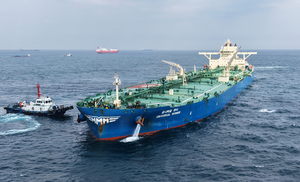
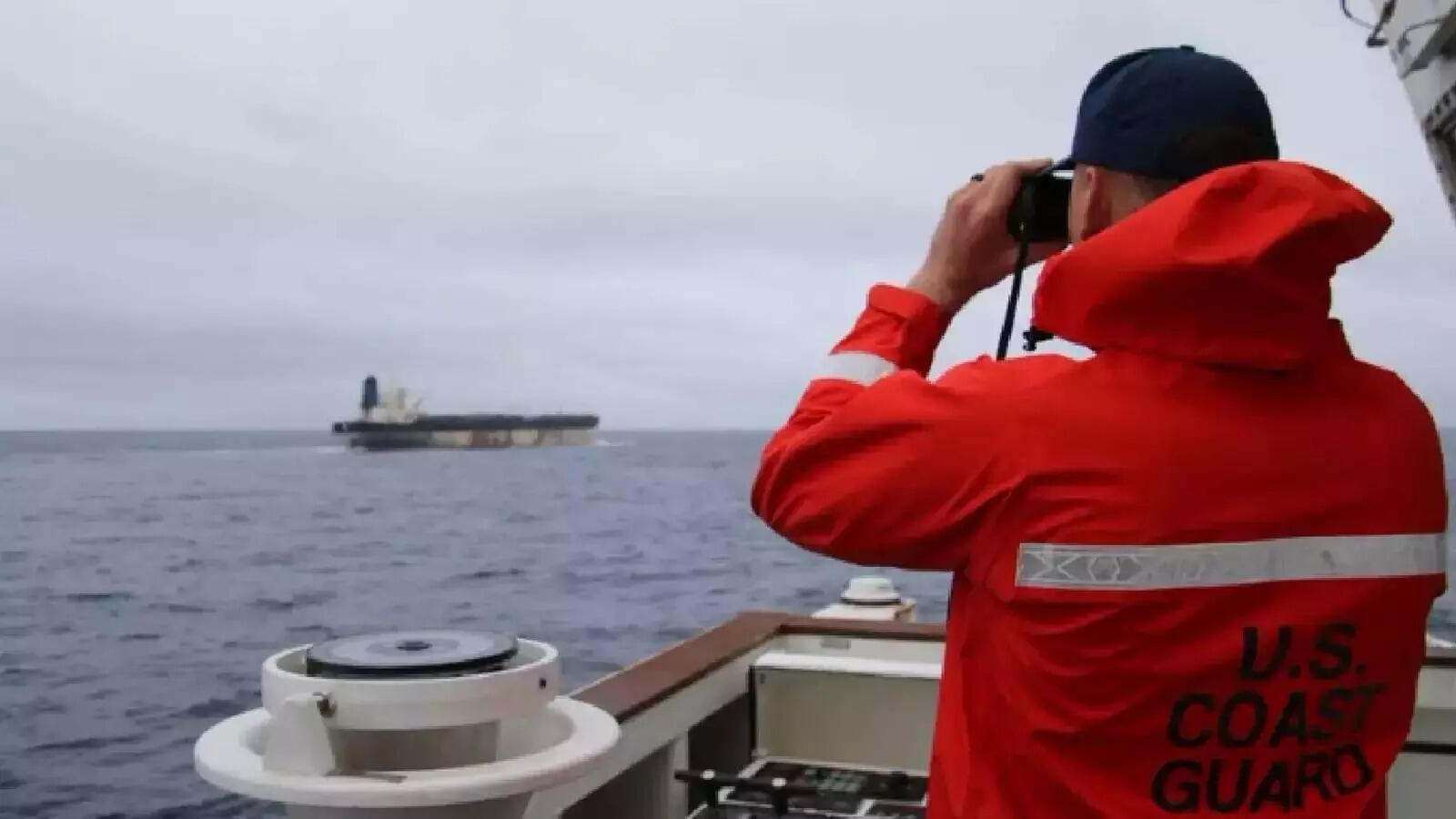
The tanker Marinera, flagged under a Russian-linked entity, was among vessels targeted by the US in operations aimed at disrupting what Washington describes as Russia's "shadow fleet" of oil carriers. These ships have been accused of circumventing Western sanctions imposed since Russia's full-scale invasion of Ukraine in February 2022. US authorities have conducted multiple seizures in recent years, including high-profile actions in international waters and ports, to enforce price caps on Russian crude and petroleum products.
In this instance, the two crew members—whose nationalities were confirmed as Russian—were detained as part of the Marinera's impoundment. Russia's Foreign Ministry acted promptly, lodging a formal request with the Trump administration. The positive outcome was publicized within hours, with the ministry stating that "arrangements for their return are underway." No further details on the remaining crew or the tanker's current status were provided in the initial reports.
This episode echoes previous incidents, such as the 2024 seizure of the Russian tanker Anselma off the Carolina coast, where crew members were eventually released after legal proceedings. In that case, 11 Russians and one Ecuadorian were detained before being allowed to depart. The Marinera case appears to have progressed more rapidly, potentially reflecting shifts in US policy under the incoming Trump administration, which assumed office on January 20, 2025.
Broader Geopolitical Context
US-Russia relations have remained frosty since the Ukraine conflict escalated, with sanctions forming a cornerstone of Western strategy to curb Moscow's war funding. The US Treasury and Justice Departments have intensified crackdowns on the shadow fleet, estimated to comprise over 600 vessels transporting up to 80% of Russia's seaborne oil exports. These operations often involve ships reflagged to obscure ownership, disabled transponders, and ship-to-ship transfers to dodge tracking.
President Trump's approach has introduced nuances. During his campaign and early second term, Trump has signaled intentions to negotiate an end to the Ukraine war, criticizing prolonged sanctions for inflating global energy prices. His administration's decision on the Marinera crew aligns with past instances where humanitarian releases were granted, even as enforcement continues. For instance, in December 2023, the Biden administration released crew from another sanctioned tanker after verifying no sanctions violations by individuals.
Russia, facing economic pressures from sanctions—despite resilient oil revenues—has frequently protested such seizures as "piracy." The Foreign Ministry's welcoming tone suggests appreciation for the quick resolution, potentially opening a channel for similar cases involving dozens of Russian sailors reportedly held on impounded vessels worldwide.
Outlook Amid Ongoing Tensions
While the release is a low-stakes diplomatic win for Moscow, it occurs against a backdrop of unresolved flashpoints. Russia continues military operations in Ukraine, and the US has pledged ongoing support to Kyiv, including recent approvals for advanced weaponry. Energy sanctions persist, with the EU and G7 maintaining a $60-per-barrel price cap on Russian oil.
Analysts view this as a pragmatic humanitarian move rather than a policy pivot, but it underscores the complexities of enforcing sanctions on multinational crews. As arrangements finalize for the two crew members' return, attention may shift to the Marinera's fate and any legal proceedings against its operators. Both nations have indicated no further public comment at this stage, leaving the incident as a brief thaw in otherwise icy ties.
(Word count: 612)