Russia Bolsters Counter-Sanctions and Missile Posturing as US Signals Thaw on Seized Tanker Crew
Moscow/Washington – In a series of developments highlighting ongoing geopolitical tensions with the West, Russia has extended its countermeasures against foreign sanctions through 2026, while former President Dmitry Medvedev publicized footage of a new ballistic missile, warning Europe of consequences amid claims of warmongering. Separately, Russia's Foreign Ministry welcomed a U.S. decision under President Donald Trump to release two Russian crew members detained on a seized tanker, signaling a potential diplomatic gesture amid strained relations.
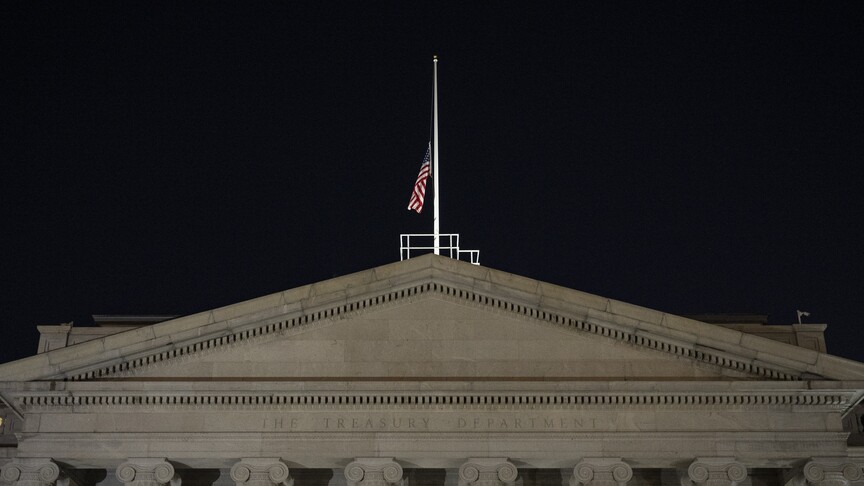
The U.S. announcement on January 9, 2026, to free the two Russian nationals from the tanker Marinera—seized in connection with sanctions enforcement—prompted a positive response from Moscow. Russia's Foreign Ministry stated it "welcomes" the move by Trump, noting that arrangements for the crew's return are already underway. This development comes against the backdrop of heightened U.S.-Russia frictions over energy shipments evading sanctions imposed since Russia's 2022 invasion of Ukraine. The Marinera incident underscores broader efforts by Western authorities to curb Russia's "shadow fleet" of tankers used to transport oil above price caps, with several vessels detained in recent years.
On January 10, Russia's State Duma approved the extension of anti-sanctions measures through the end of 2026, a move framed as a resilient response to Western restrictions. Lawmakers cited 30,711 sanctions imposed on Russia since 2014—intensifying after the Ukraine conflict—as the target of these countermeasures. The measures include import bans on goods from "unfriendly" countries, restrictions on their companies operating in Russia, and support for domestic industries. Russian officials asserted that the economy is "developing successfully" despite the pressures, pointing to GDP growth projections and diversification efforts. In 2024, Russia's economy expanded by approximately 3.6%, buoyed by military spending and pivots to markets in Asia, according to International Monetary Fund data, even as inflation and labor shortages persist.
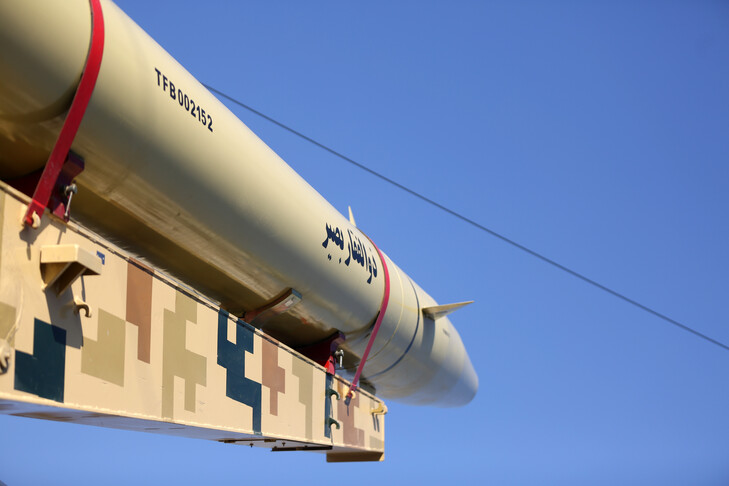
Adding a sharper edge to Moscow's rhetoric, Dmitry Medvedev, deputy chairman of the Russian Security Council and a vocal critic of the West, shared video footage of the Oreshnik missile on social media. The post, published around January 10, 2026, declared that "Europe wants war, this is what they'll get," accompanied by imagery of the weapon's capabilities. The Oreshnik, an intermediate-range ballistic missile first tested publicly in November 2024, represents a new addition to Russia's arsenal. President Vladimir Putin described it as having hypersonic speeds exceeding Mach 10 and the ability to carry multiple warheads, positioning it as a counter to U.S. missile deployments in Europe. Medvedev's statement echoes his pattern of escalatory language, often contrasting with official diplomatic channels.
Background on Sanctions and Military Posturing
Russia's countermeasures trace back to 2014, following the annexation of Crimea, but escalated dramatically after the full-scale invasion of Ukraine in February 2022. The European Union, United States, and allies have imposed over 16,000 sanctions by mid-2025, targeting banks, oligarchs, technology, and energy exports—figures that Russia tallies at 30,711 when including secondary measures. These have forced Russia to reroute trade, with China, India, and Turkey emerging as key partners. Oil revenues, while hit initially, stabilized via discounted sales, funding military operations estimated at 6-8% of GDP.
The Oreshnik missile fits into Russia's broader modernization drive under Putin, which has accelerated since 2022. Unveiled amid tensions over Ukraine, it revives Soviet-era intermediate-range systems banned under the now-defunct INF Treaty, which the U.S. withdrew from in 2019 citing Russian violations. Western analysts, via think tanks like the Institute for the Study of War, view it as a signal to NATO, particularly after Ukraine's use of Western-supplied long-range missiles into Russian territory.
The tanker crew release, while minor, occurs as Trump—inaugurated in January 2025—pursues a transactional foreign policy. His administration has hinted at sanction reviews tied to Ukraine peace talks, contrasting Biden-era enforcements that seized multiple vessels.
Outlook Amid Persistent Tensions
These events reflect Russia's dual strategy: economic defiance through sanctions countermeasures and military signaling to deter escalation. While the crew release offers a rare positive note, Medvedev's missile video underscores hawkish domestic messaging, potentially aimed at rallying support amid war fatigue. Analysts anticipate continued sanctions evolution, with the EU preparing its 15th package in early 2026.
As global energy markets remain volatile—Brent crude hovering around $75 per barrel—Russia's adaptations will be tested. Diplomatic channels, including U.S.-Russia talks on arms control, could influence trajectories, but mutual distrust prevails.
(Word count: 612)