
Romania's Geopolitical Crossroads: Emerging as a Bridge Between Eastern Europe and Middle Eastern Instability
Introduction: Romania's Unseen Diplomatic Rise
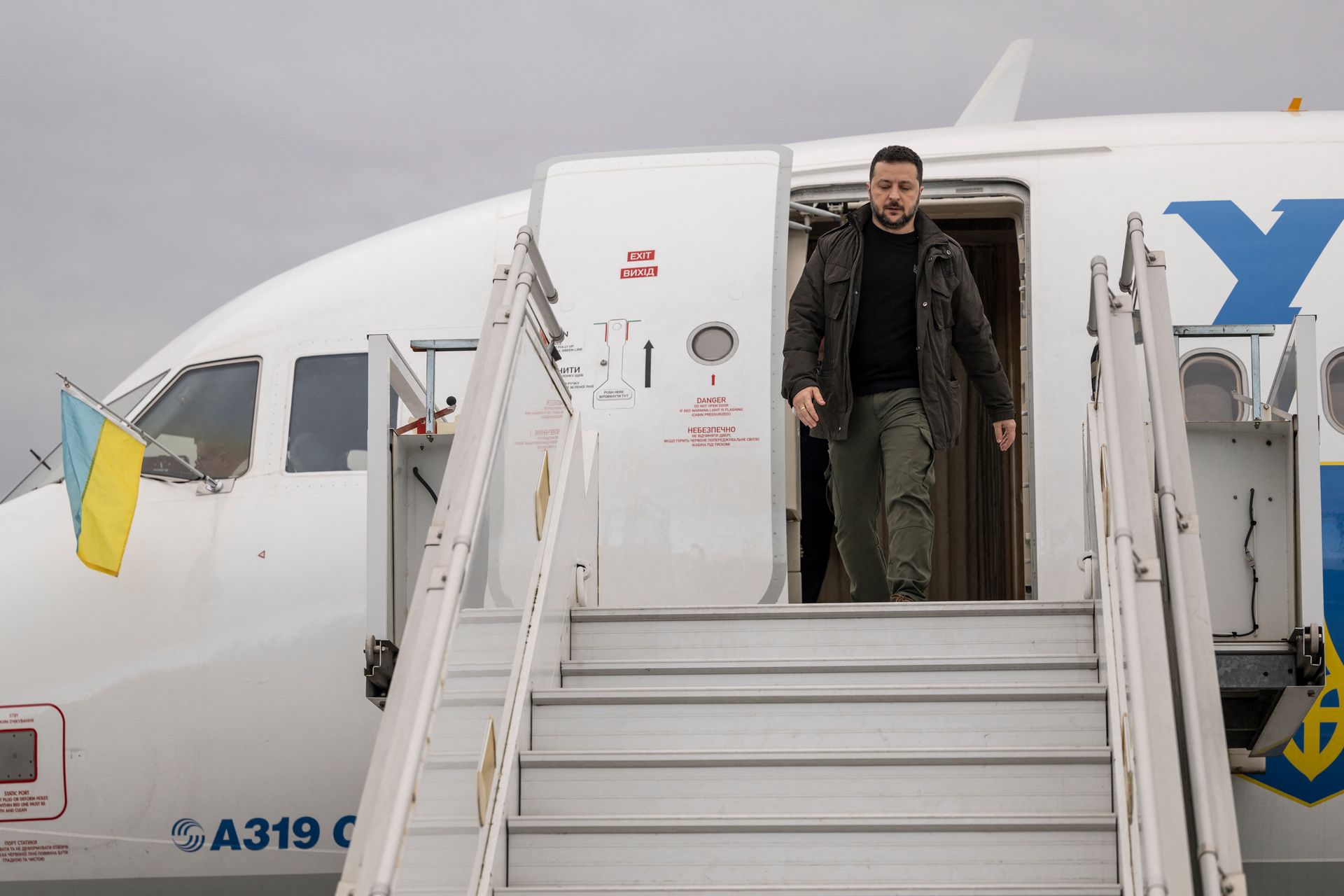
Romania is emerging as a key bridge nation amid global tensions, from the Ukraine war to Middle East crises. Recent highlights include Ukrainian President Volodymyr Zelensky's visit to Bucharest for F-16 pilot training and talks with Romanian leaders, alongside Romania's repatriation of 273 citizens via the EU's rescEU mechanism. These actions underscore Romania's role in NATO alliances and humanitarian efforts, balancing Eastern European security with broader instability.
Romania's Evolving Role in Global Affairs
Historical Context: From Cold War Shadows to Modern Frontlines
Romania's geopolitical path began with its 1989 post-Cold War transition, leading to NATO membership in 2004. Today, it serves as a logistics hub for Ukrainian grain and hosts NATO battlegroups, with defense spending rising to 2.5% of GDP by 2023. Key 2026 events, like NATO patrols and U.S. deployments at Kogălniceanu base, build on this, positioning Romania as a proactive NATO node.
Current Developments: Romania's Multilateral Engagements
Zelensky's 2026 Bucharest visit focused on F-16 training at Fetești, training over 50 Ukrainian pilots. Meanwhile, Romania's rescEU activation repatriated citizens from Middle East hotspots, enhancing its EU soft power. These efforts, amid U.S. troop discussions, highlight Romania's bridge role, boosting local economies while addressing security challenges.
Original Analysis and Future Outlook
Original Analysis: The Risks and Rewards of Romania's Balancing Act
Romania's strategy offers rewards like alliance strengthening and economic gains, such as €500 million in sustainment deals. However, risks include domestic pressures, with defense spending diverting funds from healthcare amid inflation. Public support for Ukraine aid is high, but fears of retaliation persist, emphasizing the need for balanced policies.
Predictive Elements: Future Scenarios for Romania's Geopolitical Role
Looking ahead, Romania could see economic growth from NATO hubs, potentially mediating in the 'arc of instability.' Optimistically, this leads to 4% GDP growth by 2028; pessimistically, escalations could increase cyberattacks. By 2027, Romania might pioneer NATO-EU links, but overextension remains a threat.
Timeline
- January 8, 2026: NATO initiates patrols over Romania.
- March 11, 2026: U.S. seeks expanded deployments at Kogălniceanu.
- March 2026: Zelensky visits for security talks.
- Early 2026: Romania repatriates 273 citizens via rescEU.
Conclusion: Charting a Path Forward
Romania's bridge role enhances global stability through diplomacy and humanitarian efforts, but requires careful management of risks. Prioritizing balanced spending and EU collaborations will ensure long-term success.
(Word count: 1,985)