
Rising Tensions in Taiwan as PLA Conducts Military Drills
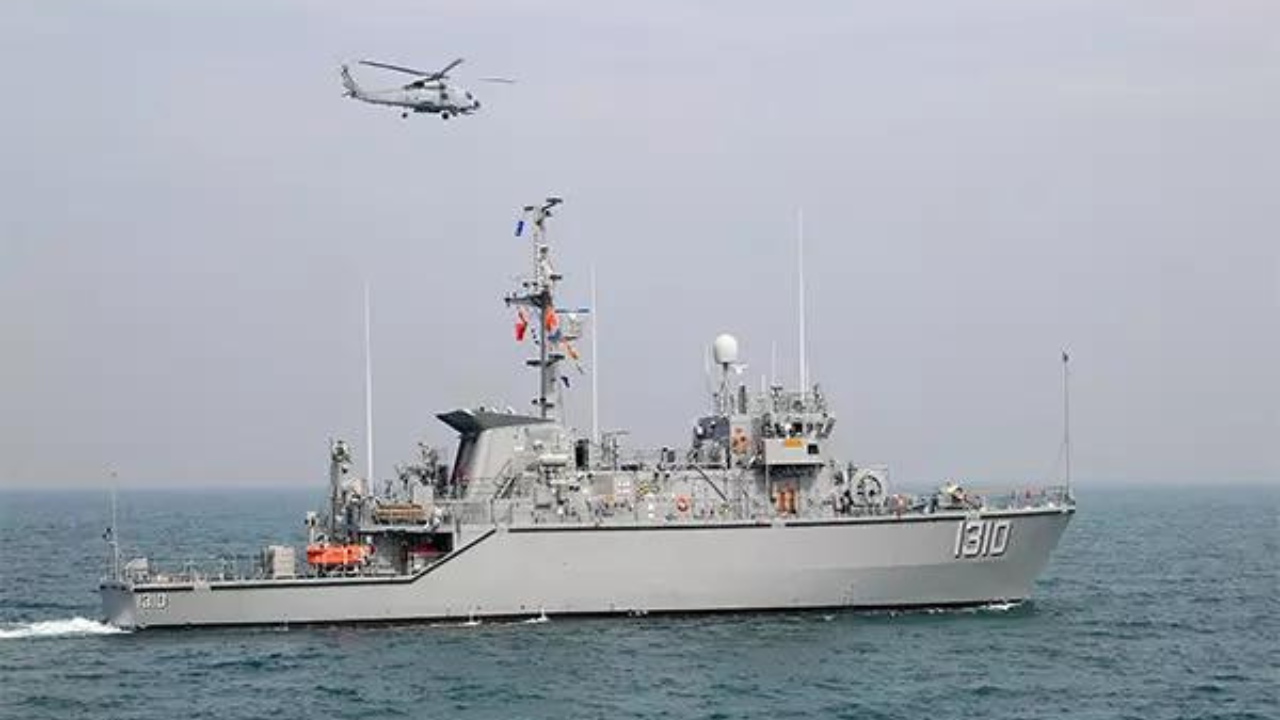
Recent military exercises conducted by the People's Liberation Army (PLA) have escalated tensions in the Taiwan Strait, drawing international concern and provoking a strong response from Taiwan's leadership. The drills, which included live-fire exercises and the deployment of drones near Taipei, have raised alarm among Taiwan's government and its allies, highlighting the ongoing geopolitical friction in the region.
On January 2, 2026, footage released by the PLA showed a drone operating alarmingly close to Taipei, particularly near the iconic Taipei 101 skyscraper. This incident has sparked debate over the implications of such a proximity to Taiwan's capital, underscoring the regional security risks posed by China's military activities. The drone was observed in aerial video released by the PLA's Eastern Theatre Command during the exercises, which were part of a broader display of military capability.
In response to these developments, Taiwan's President has publicly reaffirmed the island's commitment to defending its sovereignty. "We will not back down in the face of military intimidation," the President stated, emphasizing Taiwan's resolve to maintain its autonomy amidst increasing pressure from China. This statement comes as Taiwan continues to bolster its defenses, particularly following the recent approval of a substantial U.S. weapons package aimed at enhancing Taiwan's military capabilities.
The PLA's live-fire exercises, which commenced on December 31, 2025, were reportedly conducted to test strategies aimed at depleting Taiwan's air defense systems. Analysts suggest that the drills were designed to assess the effectiveness of deploying inexpensive rocket systems in large quantities, potentially indicating a strategy to overwhelm Taiwan's defenses through sheer volume rather than precision. The exercises, dubbed "Justice Mission 2025," were executed in areas surrounding the island, marking a significant escalation in military activity.
The United States has responded to these provocations with calls for restraint from China, urging a cessation of military pressure on Taiwan. A State Department spokesperson stated that such military activities "increase tensions unnecessarily" and reiterated the U.S. commitment to peace and stability in the Taiwan Strait. Several other nations have echoed these concerns, highlighting the potential for conflict in an already volatile region.
This series of events unfolds against a backdrop of ongoing tensions between China and Taiwan, which have been exacerbated by China's assertive military posture and Taiwan's increasing alignment with the United States. The recent approval of a U.S. arms package valued at $11.1 billion signifies Washington's ongoing support for Taiwan amid rising threats from Beijing. The situation remains precarious, with both sides preparing for potential escalations.
As the situation develops, the international community is closely monitoring the actions of both China and Taiwan, recognizing the broader implications for regional stability. With the PLA's military exercises demonstrating China's capabilities and Taiwan's firm stance on sovereignty, the potential for further escalation looms large.
In conclusion, the recent military drills by the PLA reflect a significant challenge to Taiwan's security and sovereignty, prompting both domestic and international responses. As the geopolitical landscape continues to shift, the focus remains on how Taiwan will navigate these pressures while maintaining its autonomy in the face of increasing military assertiveness from China.