
Rising Tensions: China Criticizes US Arms Sales to Taiwan Amid Ongoing Military Drills
In the wake of recent US arms sales to Taiwan, China's top diplomat has issued a strong condemnation, escalating tensions in an already fraught situation surrounding the island. This criticism comes alongside extensive military drills conducted by the People's Liberation Army (PLA) in the Taiwan Strait, which Beijing defends as necessary for national security.
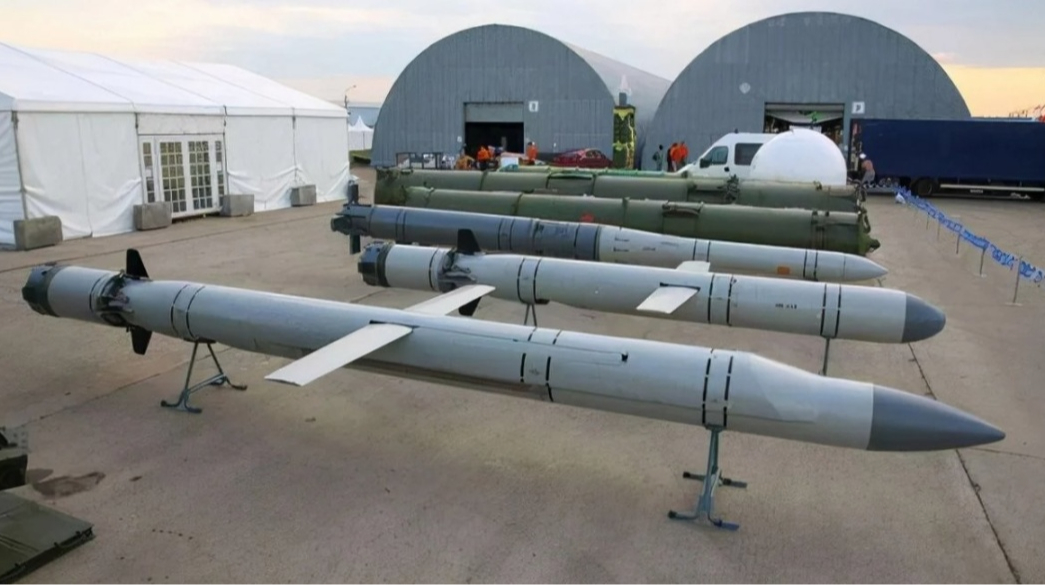
On December 30, 2025, the United States announced new arms sales to Taiwan, a move that Beijing views as a provocation and an infringement on its sovereignty. China's Foreign Ministry responded vehemently, labeling the US actions as "extremely hypocritical" and asserting that they exacerbate regional tensions. This diplomatic spat highlights the growing rift between the US and China regarding Taiwan, which China considers a breakaway province.
Chinese officials have accused foreign governments, including Japan and Australia, of ignoring what they describe as the provocations of "Taiwan independence" forces. In a statement, a ministry spokesperson expressed disappointment that these countries have remained silent on external interference in China's internal affairs, while voicing concerns over China's military exercises around Taiwan.
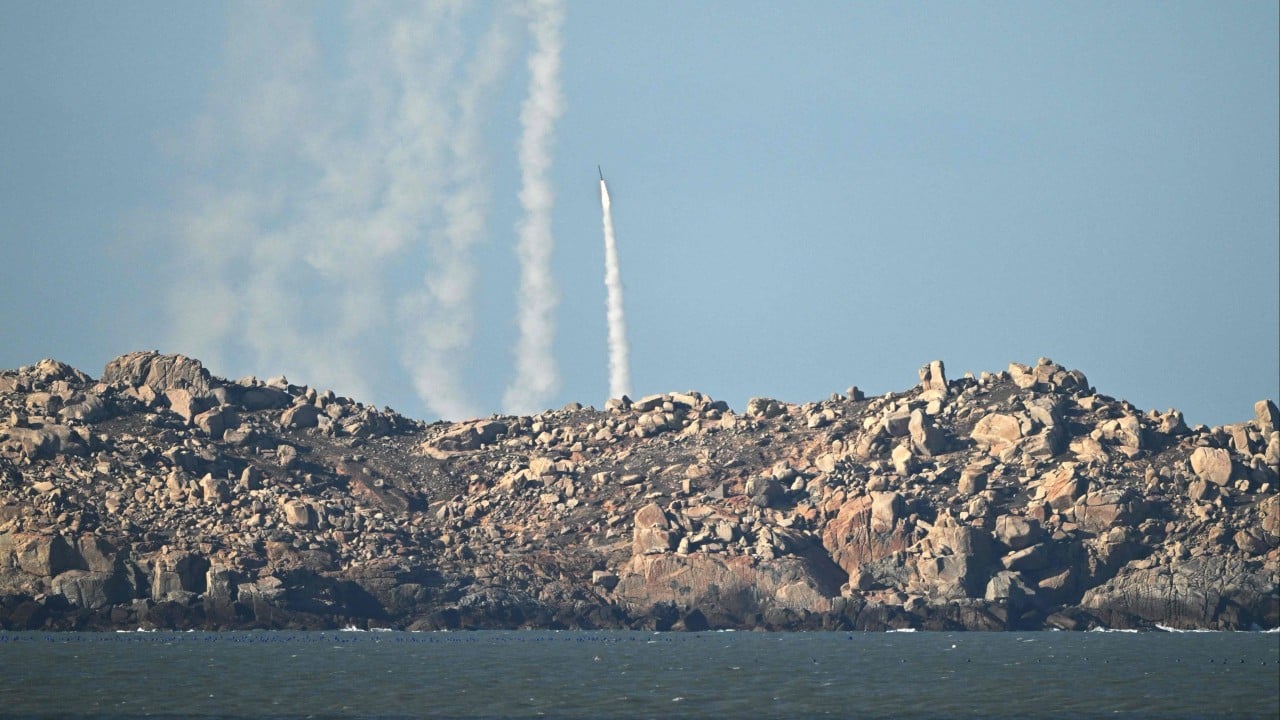
The PLA's recent military drills have been characterized by large-scale live-fire exercises and blockade simulations, intended to showcase China's military readiness and resolve. These maneuvers have garnered significant international attention, with Japan and other nations expressing concern over the potential for escalation in the region. Beijing, however, maintains that these drills are a necessary response to perceived threats from Taiwan and its allies.
In response to the PLA's activities, Japan's government has articulated its worries about the implications for regional security. The Japanese foreign ministry has publicly stated that it is closely monitoring the situation, emphasizing the importance of peace and stability in the Taiwan Strait. Meanwhile, the US has reiterated its commitment to supporting Taiwan, further complicating the geopolitical landscape.
The ongoing tensions are a reflection of a broader strategic rivalry between the US and China, particularly concerning Taiwan's status. In recent years, the US has significantly increased military support for Taiwan, including arms sales and joint military exercises. This support has been met with strong opposition from Beijing, which views such actions as an affront to its sovereignty.
As military actions and diplomatic rhetoric intensify, the situation remains precarious. Analysts warn that any miscalculations could lead to unintended consequences, potentially igniting a larger conflict in the region. The international community is watching closely, as the balance of power in the Taiwan Strait continues to shift.
In conclusion, the recent US arms sales to Taiwan and China's accompanying military drills signify a notable escalation in tensions in the region. With both sides firmly entrenched in their positions, the prospects for dialogue remain uncertain. Observers will be closely monitoring how these developments unfold in the coming months, as the potential for conflict looms over the Taiwan Strait.