
Iran Strikes Hit Over 50 Military Bases as US-Iran Peace Deal Nears
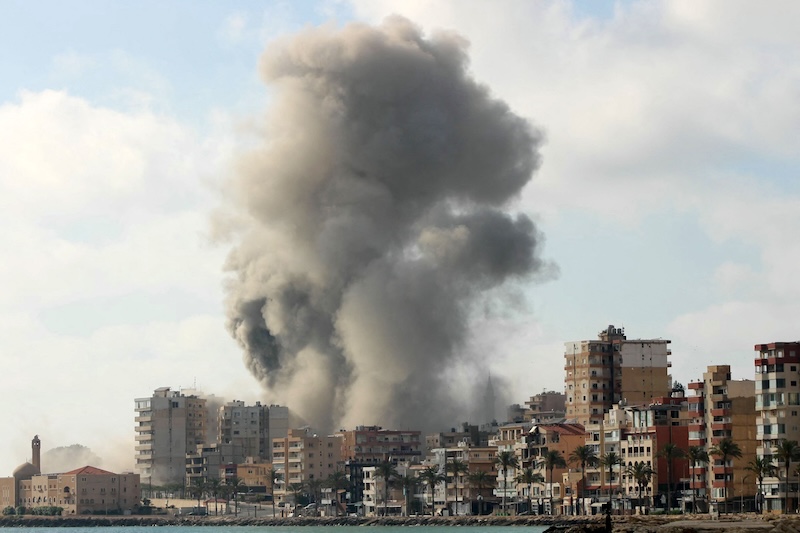
Satellite imagery has confirmed that Iran strikes have damaged more than 50 Iranian military bases since the conflict began on February 28. [2] Diplomatic efforts mediated by Pakistan now signal that a US-Iran peace deal is near, even as a fragile ceasefire remains in place. [1]
Diplomatic Breakthrough Toward US-Iran Agreement
Pakistani Prime Minister Shehbaz Sharif stated that a final agreement between Washington and Tehran was likely within 24 hours. [1] Preparations were under way for an electronic signing followed by technical discussions. [1] Sharif said the United States and Iran have agreed to a framework for a peace deal that would end the months-long conflict. [5] Pakistan is now preparing for an electronic signing expected within the next 24 hours followed by technical-level talks next week. [5] The breakthrough in negotiations comes after Iran exchanged fire with the US and Israel over three days this week. [5] A fragile ceasefire has been in place since April 7. [5]
Extent of Damage to Iranian Military Infrastructure
Satellite imagery reviewed by BBC Verify reveals that bases across the country have been heavily damaged by the US strikes. [2] US officials claim they have struck more than 13,000 targets in Iran since the conflict began on February 28. [2] BBC Verify documented damage to 51 military sites including air bases, naval facilities, ballistic missile complexes, and IRGC headquarters. [2] The analysis is likely only a partial assessment because of the secret nature of many Iranian facilities. [2] The private intelligence firm Janes estimated a total of 197 military and IRGC bases in Iran. [2] US strikes have also targeted internal security forces such as Basij and IRGC complexes. [2] Satellite images show damage to the Basij command center in Tehran from an attack around March 4, with an adjacent building completely destroyed. [2]
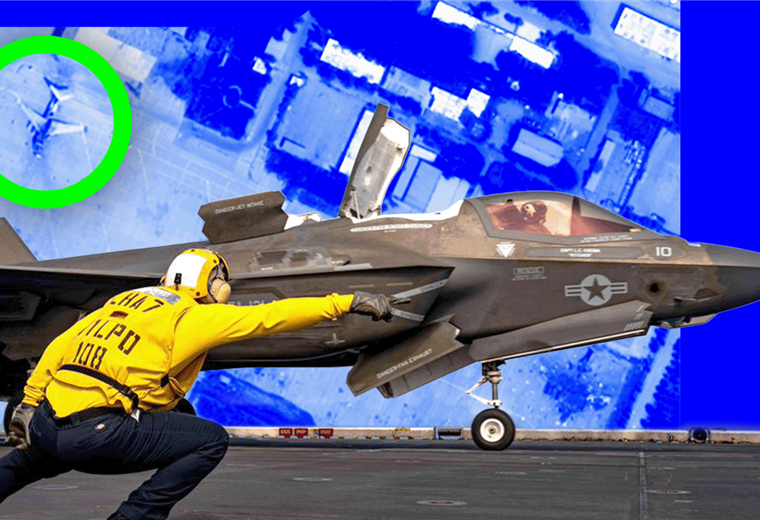
Satellite imagery reveals damage to over 50 Iranian military bases from US and Israeli strikes. — Source: gdelt
Impact on Iranian Air Force, Navy, and Missile Forces
Images reviewed by BBC Verify show damage to aircraft at air bases. [2] At Mehrabad International Airport, strikes on March 7 destroyed at least 17 aircraft in the military section of the facility. [2] At the Shiraz air base, US and Israeli strikes between April 2 and April 17 hit at least 13 aircraft. [2] The attacks have also targeted Iran's fleet of warships. [2] Numerous vessels and buildings were damaged during strikes on the naval base at Bandar Abbas, the navy's headquarters, in the early days of the war. [2] Satellite images showed a dense column of smoke rising from a damaged vessel and the administrative section of the port on March 4. [2] Several vessels also suffered heavy damage at the Konarak naval base. [2] Satellite images appear to show extensive damage to the naval headquarters and the IRGC navy headquarters in the eastern suburbs of Tehran. [2] The commander of the naval force, General Alireza Tangsiri, also died in an Israeli operation at the end of March. [2] Satellite images also show that Tehran appears to be using the fragile ceasefire to repair at least four of its ballistic missile bases. [2] Photographs appear to show that roads at the Tabriz missile base have been cleared of debris. [2] Damaged tunnels appear to have been excavated, with construction vehicles and heavy machinery visible in the images. [2]
Iran's Remaining Asymmetric Threats
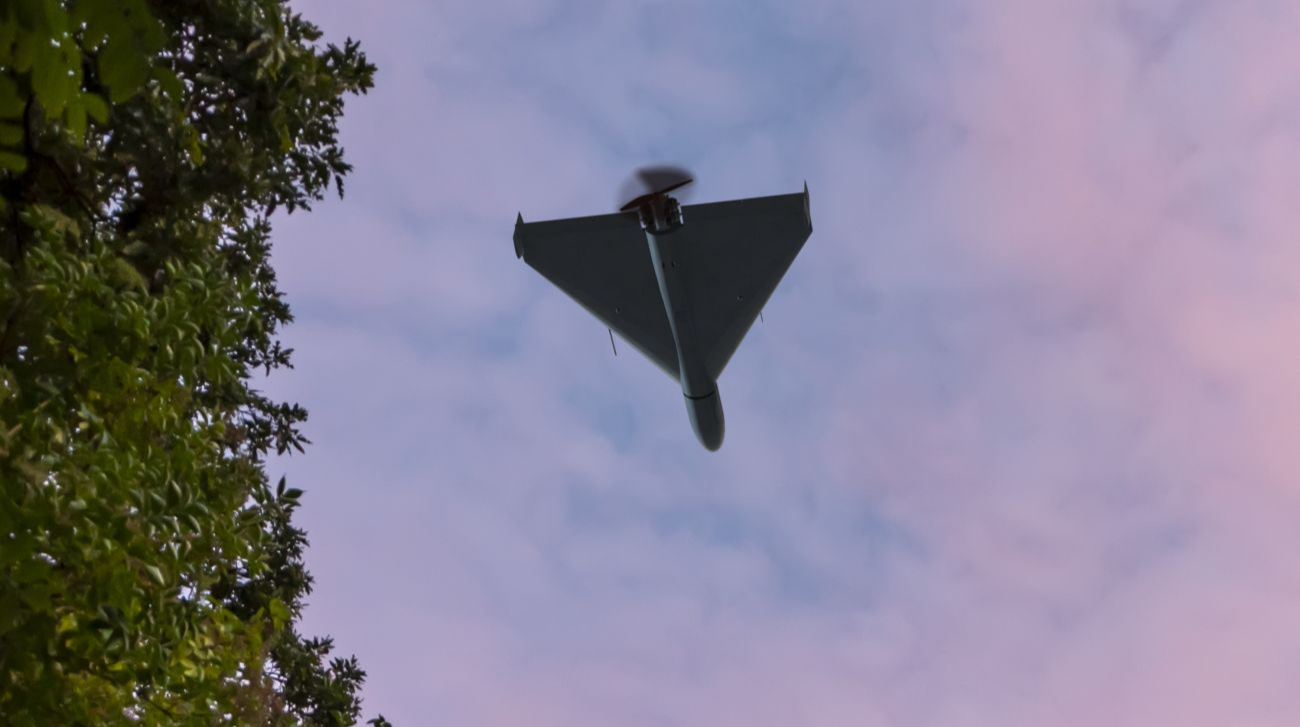
Experts told BBC Verify that despite the heavy blows suffered by the navy and air force, Tehran still has the capacity to harm the United States and its regional allies. [2] "The capacity of Iran to defend itself does not lie so much in its conventional forces, such as its air force, but in its ability to carry out counterattacks through missiles or drones," said Zev Faintuch of the security firm Global Guardian. [2] Tehran has used small, inexpensive drones to attack infrastructure across the Middle East, including several US military bases. [2] Raphael Cohen, director of the National Security Program at the RAND School of Public Policy, noted that Iran's "mosquito fleet" of small, fast boats will allow it to continue posing a threat to US forces and commercial shipping in the Strait of Hormuz. [2] Kamran Bokhari, a senior researcher at the Middle East Policy Council, said Iran's pre-war economic difficulties could hinder efforts to fully rebuild its military capacity. [2] "Iran will be limited by the amount of resources it can allocate to reconstruction, as it will also have to address basic economic conditions," Bokhari said. [2]
Satellite imagery shows damage to over 50 Iranian military bases amid ongoing US-Iran conflict. — Source: timesofindia
Civilian and Internal Security Casualties
US strikes have targeted internal security forces loyal to the clerical government, including IRGC complexes and bases belonging to the Basij militia. [2] The Basij is a volunteer force controlled by the IRGC and frequently deployed on the streets to suppress dissent. [2] At the start of the war, President Trump hinted that one of his objectives was to allow anti-government protesters to overthrow the clerical regime, although he has since downplayed this point. [2] "These attacks were therefore almost certainly aimed primarily at increasing the likelihood of creating the conditions for the overthrow of the regime, which was an Israeli objective and, to a lesser extent, an American one," said Lewis Smart, senior analyst at Janes. [2] "Such a move would be necessary to facilitate any overthrow of the government from below and comes after the protests and riots from December 2025 to January 2026, which were brutally repressed by Iran's internal security forces." [2]
Recent Maritime Incidents Involving Indian Vessels
The Iranian Embassy in India rejected US President Donald Trump's allegation that Iran was behind a drone attack on Indian vessels in the Strait of Hormuz, calling the accusation baseless. [3] The embassy said the accusation was an attempt to divert public attention from the fact that the US has attacked three Indian vessels in less than a week and killed three innocent Indian sailors. [3] Iranian foreign ministry spokesperson Esmaeil Baqaei criticised the US over the attacks on commercial vessels involving Indian nationals. [3] "The brutal US attacks on Indian commercial vessels which have killed at least three Indian nationals, stand as clear evidence of America’s ongoing policy of armed robbery and State piracy," Baqaei said. [3] Trump said the alleged Iranian drone attack against Indian ships leaving the Hormuz Strait was totally unacceptable. [3] The Trump administration had already acknowledged that American forces fired two Hellfire missiles at a third commercial vessel carrying Indian crew members off the coast of Oman on June 10. [3] US Central Command said American forces disabled the Guinea-Bissau-flagged tanker MT Jalveer in the Gulf of Oman at 11:20 pm ET on June 10, making it the third commercial vessel targeted by US forces that week. [3] The action was taken against the vessel as it attempted to transport oil from Iran through the Gulf of Oman. [3] India confirmed that three merchant ships carrying Indian crew members had come under attack by the US Navy off the Oman coast, resulting in the deaths of three Indians. [3] The number of Indian seafarers killed since the Middle East conflict broke out on February 28 has risen to seven. [3] Three Indian sailors have died in a US military operation to halt a tanker off Oman as part of Washington's efforts to blockade Iran-linked shipping. [4]
What to watch next: Pakistani Prime Minister Shehbaz Sharif said a final agreement between Washington and Tehran was likely within 24 hours, with preparations under way for an electronic signing followed by technical discussions next week. [1]