
Rising Tensions Between Saudi Arabia and UAE Over Yemen's Future
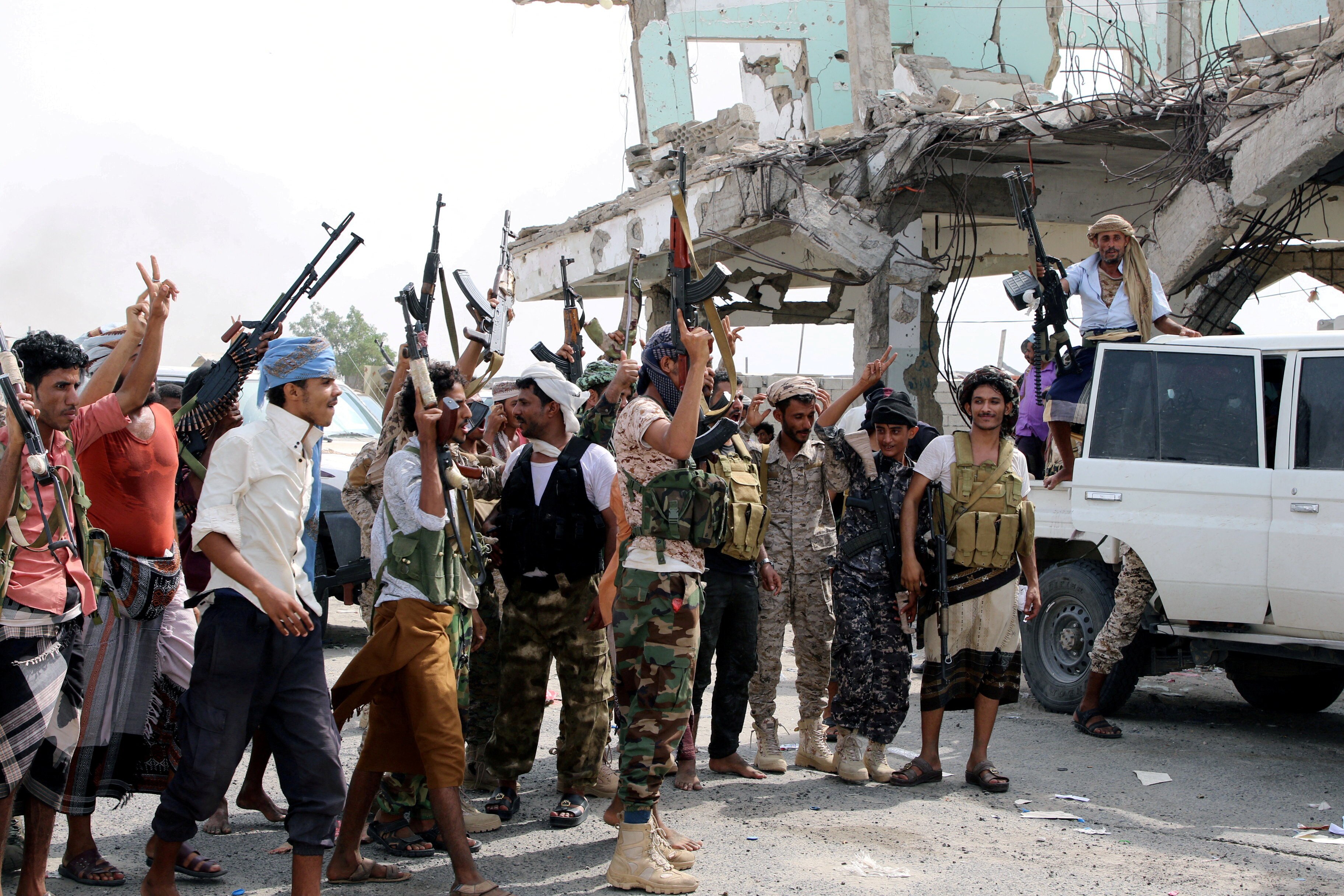
Recent developments in Yemen have sparked escalating tensions between Saudi Arabia and the United Arab Emirates (UAE), as the situation in the war-torn country becomes increasingly complex. The Southern Transitional Council (STC), a separatist group in southern Yemen, has announced plans for a referendum on independence, heightening concerns about the future political landscape in the region.
On January 2, 2026, the STC made headlines with its unexpected declaration, which could redefine the dynamics of power in Yemen. This announcement has intensified the ongoing rivalry between Saudi Arabia and the UAE, both of which have vested interests in the Yemeni conflict and its outcomes. While Saudi Arabia has traditionally been viewed as the primary backer of the Yemeni government, the UAE has supported the STC's aspirations for greater autonomy in the south.
The STC's push for a referendum marks a significant shift in the political narrative of Yemen, where a civil war has raged since 2015, primarily between the internationally recognized government and Houthi forces. The STC claims to represent the interests of southern Yemenis, many of whom feel marginalized in the national political discourse. In their announcement, the STC emphasized the need for self-determination, indicating a potential move towards a more pronounced separation from the north.
This development has prompted concerns from Riyadh, which fears that a successful push for independence may further complicate its efforts to stabilize Yemen and secure its southern border. Saudi officials have expressed apprehension that an independent southern Yemen could become a hub for instability, undermining their regional influence and security.
The UAE, on the other hand, has historically been more supportive of the STC's ambitions, having invested considerable resources in southern Yemen over the years. The Emirati government has viewed the STC as a key ally in their broader strategy to counter Iranian influence in the region, particularly concerning the Houthi movement, which is backed by Tehran.
As tensions rise, both countries are at a crossroads, with implications that could affect their broader geopolitical strategies in the Middle East. The potential for realignment of alliances in Yemen poses a challenge not only to Saudi and UAE relations but also to the ongoing international efforts to mediate peace in the region.
Background
Yemen has been embroiled in a devastating civil war since 2015, which has resulted in one of the world's worst humanitarian crises. The conflict began when Houthi rebels seized control of the capital, Sana'a, leading to a military intervention by Saudi Arabia and a coalition of Arab states to restore the internationally recognized government of President Abd-Rabbu Mansour Hadi.
The UAE's involvement, particularly its support for the STC, has added layers of complexity to the conflict. While both Saudi Arabia and the UAE initially joined forces against the Houthis, their diverging interests in Yemen have become increasingly apparent, with the STC's call for independence further highlighting these differences.
The recent announcement for a referendum is a pivotal moment that could reshape Yemen's future and redefine the roles of external powers involved in the conflict. Observers are closely monitoring the situation as both Saudi Arabia and the UAE navigate their next steps amid rising tensions.
Conclusion
The announcement of a referendum by the STC and the subsequent tensions between Saudi Arabia and the UAE underscore the fragility of the situation in Yemen. As the region grapples with ongoing conflicts and shifting alliances, the outcome of these developments could have significant implications not only for Yemen but for the broader geopolitical landscape of the Middle East. The coming weeks will be crucial in determining how these tensions will unfold and whether a resolution to the Yemeni conflict is within reach.