
Rising Geopolitical Tensions in Pakistan: China's Influence and Balochistan Concerns
Recent geopolitical developments in Pakistan have raised alarms regarding the nation's ties with China and the implications for regional stability, particularly in Balochistan. Baloch leader Mir Yar Baloch has warned of a potential military deployment by China in the province, coinciding with Pakistan's endorsement of China's mediation claims during the recent India-Pakistan conflict.
The warning from Mir Yar Baloch comes as the relationship between China and Pakistan appears to be deepening, particularly following China's recent involvement in regional diplomacy. Baloch's statement suggests a growing apprehension among local leaders regarding the implications of China's increasing presence in Balochistan, a resource-rich region that has been the site of longstanding tensions and calls for greater autonomy.
Baloch expressed his concerns on January 2, 2026, urging India to offer support to Baloch resistance forces as the possibility of a Chinese military base in the region looms. This potential deployment has the potential to alter the geopolitical landscape of South Asia, raising fears of escalating conflicts between various actors in the region.
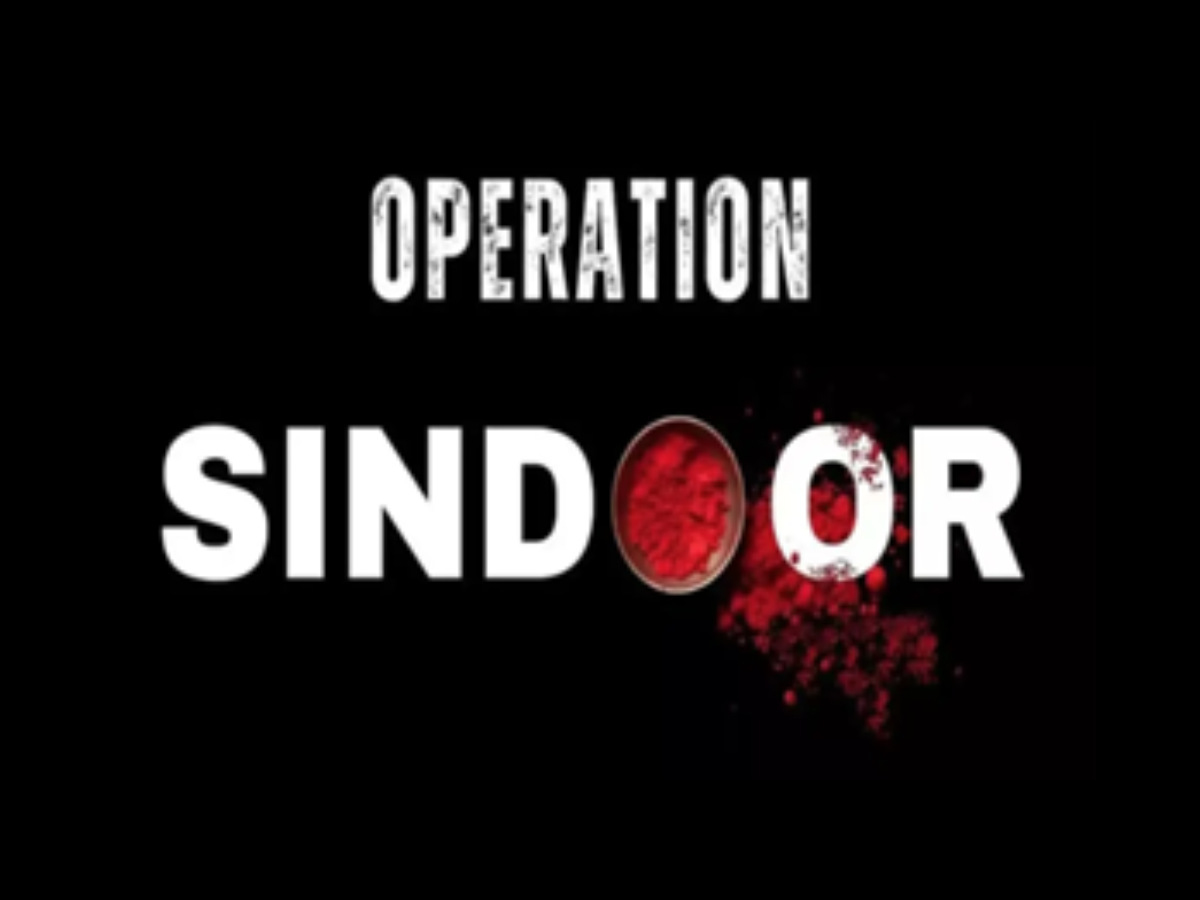
Simultaneously, on the same day, Pakistan's foreign office acknowledged and backed China's assertion that it played a mediating role during the recent conflict between India and Pakistan, known as Operation Sindoor. This endorsement marks a significant shift in Pakistan's diplomatic overtures and enhances China's role as a prominent player in South Asian geopolitics. The statement from Islamabad's foreign office indicates that Chinese officials were in contact with both nations, contributing to a de-escalation of tensions. However, this position contradicts India's claim that the cessation of hostilities stemmed from a request made by Pakistan's Director General of Military Operations (DGMO), rather than any third-party intervention.
This endorsement of China's mediation raises eyebrows, particularly given India's historical skepticism of external involvement in its bilateral conflicts. Observers note that Pakistan's move may be an attempt to strengthen its alliance with Beijing amid increasing tensions with India, particularly over Kashmir and other territorial disputes.
The interplay of these developments suggests a complex and potentially volatile landscape. With China's expanding influence in Pakistan, particularly through investments and infrastructure projects under the China-Pakistan Economic Corridor (CPEC), there is a growing concern that this influence may extend into military dimensions, especially in regions like Balochistan. The province has been a focal point for both Baloch nationalist movements and external powers vying for influence, making it a critical area to monitor as tensions escalate.
Background
Balochistan has a long history of unrest, driven by demands for greater autonomy and control over the region's natural resources. The Baloch people have long sought recognition and rights, often clashing with the Pakistani state. China's interests in the region, particularly through CPEC, have drawn criticism from Baloch leaders who view the economic investments as a means of furthering external control over their territory.
As the geopolitical landscape continues to evolve, the implications of a potential Chinese military presence in Balochistan could have far-reaching consequences for regional stability. The situation remains fluid, with multiple actors involved and interests at stake.
Conclusion
The recent developments in Pakistan highlight the complexities and challenges facing the region as it grapples with external influences and internal strife. The potential for a Chinese military deployment in Balochistan, coupled with Pakistan's endorsement of China's mediating role in India-Pakistan relations, underscores the shifting dynamics of power in South Asia. As these events unfold, the international community will be closely watching the implications for regional security and the responses from neighboring countries, particularly India.