
Recent Earthquake Activity Shakes the Philippines
A series of earthquakes, including two significant magnitude 5.0 tremors and ongoing volcanic seismic activity, have been reported in the Philippines, raising concerns over the potential for further geological disturbances in the region.
On January 1, 2026, the first earthquake struck at 2:56 AM UTC, registering a magnitude of 5.0. The epicenter was located approximately 207 kilometers southeast of Pondaguitan at a depth of 112 kilometers. This was followed by another magnitude 5.0 earthquake later that same day at 10:46 AM UTC, which occurred 25 kilometers east-northeast of Kinablangan, but at a shallower depth of 40 kilometers. Both events were categorized as medium severity.
In addition to these two significant quakes, the northern region of the Philippines has been experiencing ongoing volcanic earthquakes and tremors since January 3, 2026. These events have been linked to heightened seismic activity associated with local volcanoes, though specific details regarding the volcanoes involved were not disclosed in the initial reports.
Earlier seismic activity includes a magnitude 4.7 earthquake that occurred on December 27, 2025, about 9 kilometers north-northeast of Mambog, at a depth of 65 kilometers, and a magnitude 4.6 quake on December 31, 2025, located 44 kilometers east of Baculin at a depth of 37 kilometers. Both of these earlier events were categorized as low severity.
The Philippines is located along the Pacific Ring of Fire, a region known for its high volcanic and seismic activity. Earthquakes are common in the area, resulting from the movement of tectonic plates. The current series of seismic events, particularly the volcanic tremors, have heightened public awareness and concern regarding potential eruptions or further earthquakes.
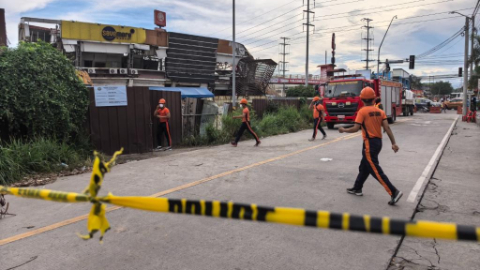
Residents in the affected areas are advised to stay alert and prepared for possible aftershocks, while local authorities and disaster response teams are monitoring the situation closely to ensure the safety of the population.
As the situation develops, experts will continue to assess the impacts of these earthquakes and provide updates on the potential for further seismic activity. The Philippine Institute of Volcanology and Seismology (PHIVOLCS) is expected to release additional guidance and information in the coming days.
The recent geological events serve as a reminder of the Philippines' dynamic landscape and the ongoing challenges posed by natural disasters in the region.