
Philippines Earthquake Leaves 47 Dead and 31 Missing in Mindanao
A magnitude 7.8 earthquake struck off the southern coast of Mindanao in the Philippines on June 9, 2026, killing at least 47 people, leaving 31 missing and 688 injured, according to the National Disaster Risk Reduction and Management Council. The Philippines earthquake has prompted ongoing assessments by authorities as rescue teams continue operations in affected areas.
Casualties and Missing Persons
The National Disaster Risk Reduction and Management Council reported on Thursday that at least 47 people were killed, 31 were missing and 688 were injured following the magnitude 7.8 earthquake that struck off the southern coast of Mindanao on Monday. [1] This updated balance adds two deaths compared to the previous report and shows an increase in missing persons from 17 to 31. [2] The rise in the number of missing individuals has become a central focus for emergency teams. [3] Authorities have noted that the new figures reflect intensified search efforts amid collapsed structures.
Scope of Impact on Population and Housing
The quake affected more than 346,000 people across over 75,300 households, displaced over 45,000 residents, damaged more than 12,600 houses including 3,330 that were completely destroyed, and triggered 45 incidents mainly landslides. [1] Updated government data from the Department of Social Welfare and Development placed the total affected near 390,000 people. [2] The same reports raised the total of damaged houses to 18,614, with 3,330 fully destroyed, and listed 39,293 people displaced by the disaster. [3] These figures continue to be refined as assessments proceed across multiple provinces.

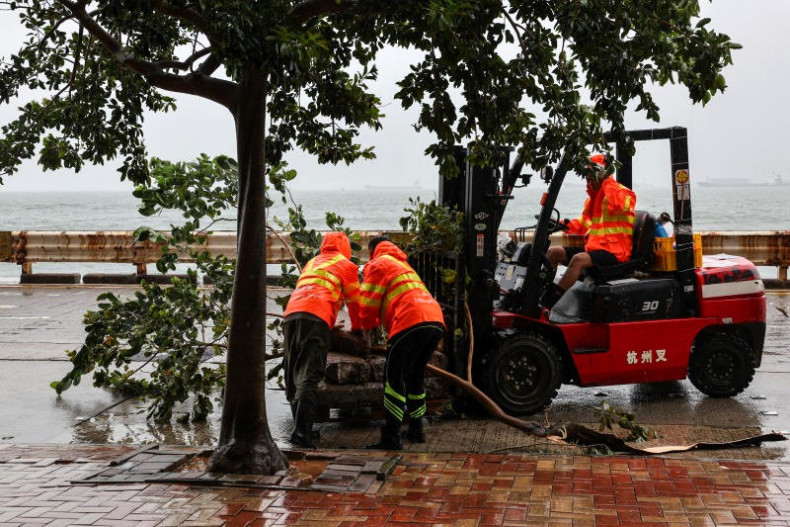
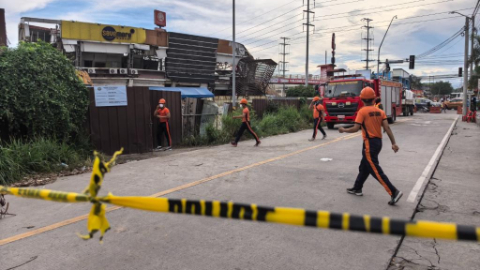
Rescue teams search collapsed structures in Mindanao after magnitude 7.8 earthquake. — Source: gdelt
Infrastructure and Economic Disruptions
It disrupted 45 road sections, eight bridge sections, one airport, two seaports, power services in 48 cities and municipalities, as well as agriculture, husbandry, fishery industries and public buildings. [1] The Philippines earthquake also caused damage to public buildings, roads, bridges and networks supplying electricity and drinking water in several zones of Mindanao. [2] Preliminary estimates place infrastructure losses above 9 million dollars, with rescue operations involving civil defense, armed forces and volunteers continuing amid collapsed buildings in areas such as General Santos City. [3] Effects on agriculture, husbandry and fishery industries have been documented alongside the infrastructure impacts.
Earthquake Details and Aftershocks
The tectonic earthquake occurred at 7:37 a.m. local time at a depth of 33 km with its epicenter 32 km southwest of Maasim town in Sarangani province; more than 2,000 aftershocks have followed. [1] The Philippine Institute of Volcanology and Seismology confirmed the parameters of the event on Mindanao Island. [1] More than 2,000 aftershocks have been recorded in the days since the main shock. [2] These subsequent tremors have compounded challenges for search teams operating in damaged zones.
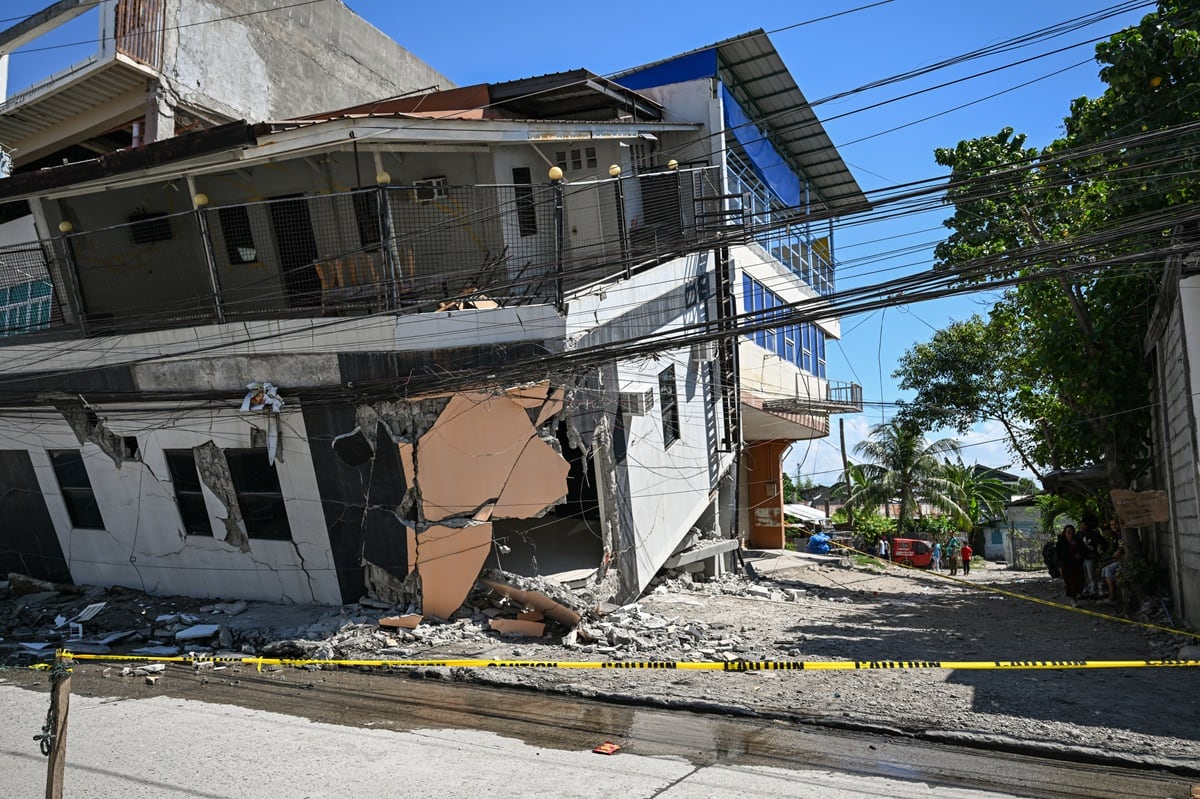
Rescue teams search collapsed buildings in Mindanao after magnitude 7.8 earthquake. — Source: gdelt
Ongoing Rescue and Response Efforts
Rescue operations involving civil defense, armed forces and volunteers continuing amid collapsed buildings in areas such as General Santos City. [1] Authorities have maintained deployments of civil defense personnel, armed forces and volunteers to locate possible survivors under the rubble. [2] Search-and-rescue efforts persist across several southern provinces where dozens of structures were damaged or destroyed by the quake and the aftershocks. [3] Teams have focused on buildings that collapsed and zones affected by landslides.
Geographic and Seismic Context
The Philippines lies within the Pacific Ring of Fire, one of the world's most seismically active zones where earthquakes are frequent. [2] The country sits in the Pacific Ring of Fire, described as one of the zones with the highest seismic and volcanic activity on the planet. [3] This location explains why such events occur regularly in the archipelago. [2]
What to watch next includes continued updates from the National Disaster Risk Reduction and Management Council on missing persons and further assessments of infrastructure losses exceeding 9 million dollars.