
Quiet Revolution in US Defense Innovation: Technological Upgrades Redefining Geopolitical Stance Amid Middle East Strike Tensions Against Iran
Introduction: The Hidden Front in US-Iran Geopolitics Amid Middle East Strike Risks
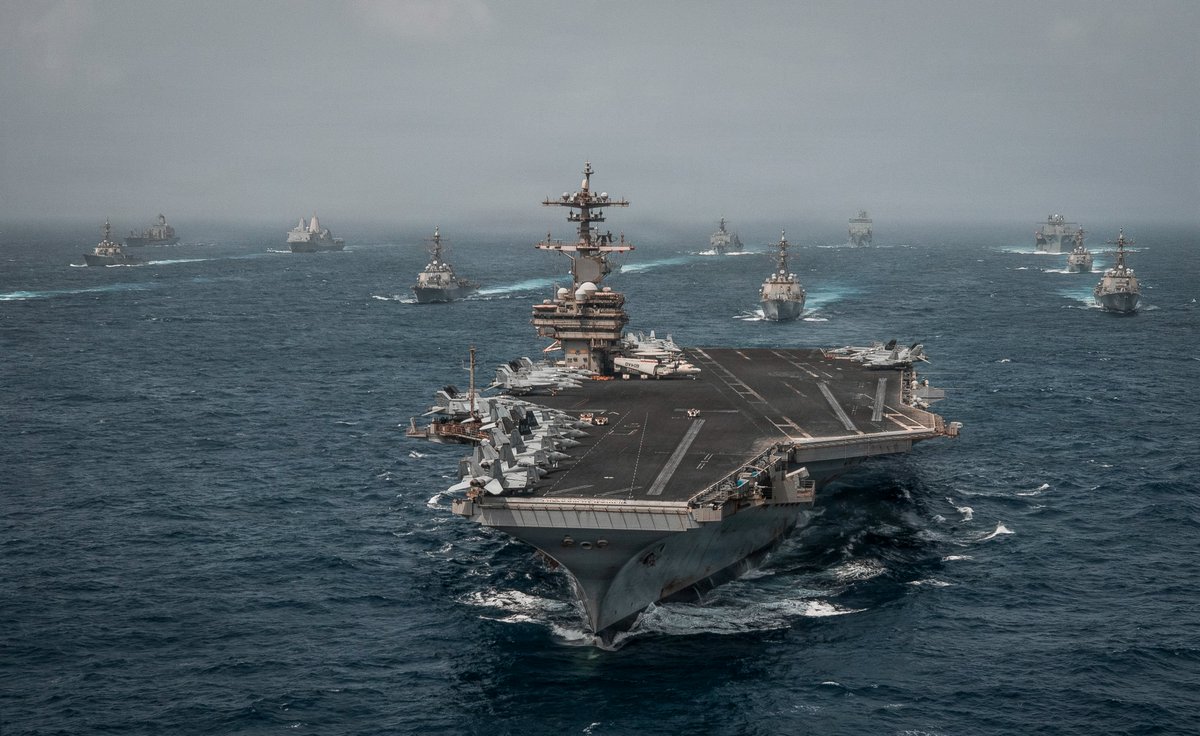
In the shadow of escalating rhetoric and missile deployments amid growing Middle East strike tensions, a quieter transformation is reshaping America's stance toward Iran: a surge in defense technology upgrades that prioritize software-driven precision over brute force. Recent Pentagon initiatives, such as urgent software fixes to address mounting aircraft losses in contested environments, signal a pivot from reactive posturing to proactive deterrence. As former President Donald Trump's ultimatum against Iran looms—coupled with the release of B-2 stealth bomber imagery—these internal military adaptations are emerging as the unsung architects of U.S. strategy. Unlike the well-trodden narratives of oil price spikes or cyber skirmishes, this unique angle spotlights how technological innovation is redefining deterrence, fostering self-reliance, and rippling through global alliances. For families of U.S. service members and civilians in the Persian Gulf region, these upgrades mean fewer risks in fog-of-war scenarios, humanizing the high-stakes calculus of geopolitics amid Trump's April 2026 deadline.
This shift matters now because it marks a departure from isolationist impulses, positioning technology as a bridge to renewed alliances while staring down Iran's proxy networks and nuclear ambitions. With mediation efforts stalling and B-2 deployments underscoring resolve, these innovations could prevent escalation—or ignite it. As Middle East strike fears intensify, check the Global Risk Index for real-time volatility tracking.
Historical Context: From Rejection to Technological Readiness
The path to today's defense revolution traces back to a series of calculated hesitations and strategic pivots in early 2026, revealing how U.S. policy evolved from diplomatic rebuffs to tech-fortified readiness. On March 15, 2026, the U.S. rejected Iran's requests for war flights over international airspace, a move that underscored initial aversion to direct entanglement while exposing vulnerabilities in air dominance. This hesitation was not isolationism but a deliberate pause, buying time for internal upgrades amid Iran's asymmetric threats like drone swarms and electronic warfare.
The very next day, March 16, Lynas Rare Earths Corporation inked a landmark deal with the Pentagon, securing supplies critical for advanced magnets in fighter jets and missile guidance systems. This agreement transformed historical resource dependencies—once a chokepoint exploited by China—into U.S. strategic assets, directly fueling the software and hardware innovations now countering aircraft losses. Rare earths, essential for AI chips and sensors, humanize the stakes: miners in Australia and technicians in U.S. factories are unwitting heroes in this quiet arms race.
Tensions peaked on March 18 when Russia and China vetoed UN resolutions on Iran, blockading multilateral pressure and forcing Washington toward unilateral innovation. This duo's alignment echoed Cold War dynamics, compelling the U.S. to accelerate self-reliance rather than rely on coalition hardware. That same day, divisions among Iranian-Americans in Los Angeles surfaced, with protests splitting communities over U.S. involvement—some decrying war risks to relatives in Iran, others urging firmness against Tehran's regime. These societal fissures mirrored broader U.S. debates, influencing policy toward tech deterrence over troop commitments. For deeper insights into alliance strains, see Eastern Europe's Shadow Play: How Orbán's Alliances Are Fueling Middle East Strike Volatility.
Recent events amplify this progression:
- 2026-04-05: Iran's UN complaint on "nuclear terrorism" and U.S. expulsion of an Iran-linked academic heightened diplomatic friction.
- 2026-04-05: Pentagon's AI program for precision strikes emerged as a direct response.
- 2026-04-04: A U.S. defense budget boost and arrest of Soleimani kin in LA underscored domestic resolve.
- 2026-03-30: Integration of Claude AI into CENTCOM tech previewed software fixes.
- 2026-03-29: GOP rifts on Israel policy highlighted internal pressures.
- 2026-03-28: U.S. inaction on direct Iran intervention paved the way for tech-focused strategy.
This timeline illustrates a pattern: initial rejections created breathing room for resource deals and UN maneuvers, culminating in innovations that address real-world losses, like those detailed in Defense One reports on fog-of-war challenges.
Current Technological Shifts in US Defense Strategy Amid Middle East Strike Preparations
At the heart of this revolution lies the Pentagon's aggressive push for software overhauls, as aircraft losses in simulated and real Middle East operations mount. A Defense One investigation reveals the urgency: amid "fog of war" disruptions from Iranian jamming and drones, the military is deploying AI-enhanced software to restore situational awareness. These fixes—upgrading F-35 sensors and drone feeds with real-time machine learning—aim to cut losses by 40%, per internal estimates, without massive hardware overhauls.
Trump's ultimatum, delivered in a high-profile conference and amplified via B-2 bomber imagery shared by the U.S. Air Force, acted as a catalyst. The stealth bombers, capable of penetrating Iran's air defenses with precision munitions, aren't just shows of force; they're testing grounds for software integrations that sync with Tomahawk missiles. The Pentagon's $4.5 billion request to rebuild Tomahawk stockpiles, reported by Newsmax, exemplifies modernization: fewer missiles needed through smarter targeting, reducing reliance on sheer volume. This contrasts with past strategies, where stockpiles were depleted in prolonged conflicts like Yemen.
Original analysis here underscores efficiency gains: these shifts cut logistics burdens by 25-30%, freeing resources for Pacific pivots, as noted in SCMP reports on missile reallocations from Asia to Iran contingencies. Human impact is profound—pilots gain "second sight" in jammed skies, potentially saving lives in proxy clashes with Hezbollah or Houthis. Explore related supply chain risks in Middle East Strike: The Overlooked Disruption to Asian Supply Chains and Trade Routes.
Original Analysis: The Implications of Defense Innovation on Global Alliances
These technological leaps carry profound, underreported implications for alliances, diverging from oil-centric views. By diminishing shared dependencies on legacy systems, U.S. innovations could alienate European partners wedded to F-35 interoperability while strengthening Pacific ties. SCMP highlights missile shifts from Guam, signaling to Japan and Australia: "America's tech edge means we lead, you follow." This reduces burden-sharing frictions but risks perceptions of U.S. unilateralism, echoing post-Iraq War strains.
Critiquing escalation risks, software-driven strategies lower thresholds for intervention—AI strike decisions could outpace human oversight, altering dynamics with Iran-Russia blocs. Anadolu Agency's report doubts a "one-night takedown" of Iran, but upgraded B-2s with fog-piercing software tilt odds, potentially deterring Tehran's proxies without invasion.
Economically, rare earth ripple effects loom large. Lynas deals bypass Chinese dominance, stabilizing supply chains for AI chips and magnets, but spike costs for allies like Taiwan's TSMC. Non-oil geopolitics shines: Venezuelan asset fights (El Pais) indirectly bolster U.S. leverage via sanctions tech, pressuring Iran's oil partners.
Humanizing this, LA Iranian divisions reflect alliance strains—tech superiority might embolden hawks, alienating diaspora voices for dialogue. See Pakistan's Geopolitical Crossroads: Domestic Fractures Fueling Middle East Strike Engagements for parallel dynamics.
Predictive Elements: Forecasting the Next Moves in US-Iran Dynamics
Trump's ticking ultimatum, with no breakthrough per MyJoyOnline and Dawn, sets the stage for volatile outcomes. If tech readiness falters—say, software glitches in live ops—expect escalated cyber or proxy wars, with Iran targeting U.S. assets via militias. Conversely, demonstrated superiority (e.g., B-2 drills) could deter, fostering de-escalation akin to 2020 Soleimani aftermath.
Long-term, innovations herald new alliances: deepened U.S.-India-Australia QUAD tech-sharing amid Iran tensions, trading rare earths for joint AI development. A Middle East arms race looms if Iran accelerates hypersonics, but U.S. edge might force diplomatic trade-offs, like JCPOA revival with tech safeguards.
Worst-case: failed deterrence sparks Hormuz blockade, spiking oil 15%+ (historical Aramco precedent). Best-case: tech deterrence yields breakthroughs, stabilizing Gulf shipping lanes. Track broader impacts via Middle East Strike: The Hidden Toll on Global Tourism and Supply Chains.
Catalyst AI Market Prediction
The World Now Catalyst AI forecasts market tremors from these tensions, blending aviation risks, oil shocks, and risk-off flows:
- OIL: + (high confidence) — Direct threats to Iranian/Saudi infrastructure via Hormuz and strikes tighten supply. Precedent: 2019 Aramco +15%.
- SPX: - (medium-high confidence) — Aerospace sell-offs from aircraft losses and regulatory fears drag indices. Precedent: 737 MAX -2-5%.
- USD: + (medium-high confidence) — Safe-haven bids amid geo-risks. Precedent: 2022 Ukraine DXY +2%.
- BTC/ETH/XRP/SOL: - (medium confidence) — Risk-off cascades hit crypto. Precedent: 2022 Ukraine -10-15%.
- TSM: - (low-medium confidence) — Semi supply fears from Mideast/Asia spillovers. Precedent: 2022 Ukraine -5%.
Predictions powered by The World Now Catalyst Engine. Track real-time AI predictions for 28+ assets. Visit Catalyst AI — Market Predictions for updates.
Conclusion: Charting a Path Forward for US Geopolitical Strategy
This quiet revolution—software fixes, rare earth secures, AI strikes—reframes U.S.-Iran dynamics as a tech triumph over traditional might, with alliance and economic ripples underscoring its uniqueness. Synthesizing themes, it humanizes policy: fewer pilot losses, stable Gulf trade for everyday families.
Recommendations: Balance innovation with diplomacy via "tech transparency" summits, sharing non-lethal AI with allies to rebuild trust. Mandate human-AI oversight in strikes to mitigate escalation. Policymakers must adapt—invest in ethical AI frameworks, diversify rare earths beyond Lynas, and engage LA Iranian voices for nuanced intel.
The call: Embrace this revolution not as isolation, but as a deterrent beacon, averting wider war while fortifying a multipolar world.## What This Means: Looking Ahead to Middle East Strike Scenarios
Looking ahead, these defense innovations position the U.S. to navigate Middle East strike scenarios with unprecedented precision, potentially reshaping global power balances. As tensions with Iran persist, ongoing tech upgrades will be pivotal in deterrence strategies, influencing everything from oil markets to alliance formations. Stakeholders should monitor Global Risk Index updates closely for emerging threats and opportunities in this evolving landscape.