Protests Surge Across Iran as Government Imposes Internet Blackout; Trump Delivers Escalating Warning to Tehran

Latest from X
Protests Surge Across Iran as Government Imposes Internet Blackout; Trump Delivers Escalating Warning to Tehran
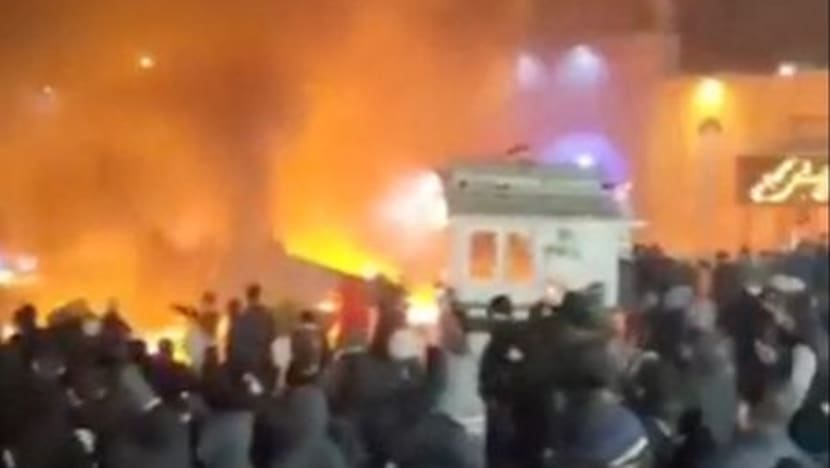
Tehran, Iran – January 10, 2026 – Widespread protests have erupted across Iran, escalating rapidly since Friday morning amid reports of an internet shutdown imposed by the government, drawing a sharp new admonition from former U.S. President Donald Trump.
The unrest, which began on January 9 around 07:48 GMT, has grown in scale and intensity, with demonstrations reported in multiple cities. High-severity civil disturbances signal deepening public discontent, potentially fueled by longstanding economic pressures, political grievances, and recent policy decisions. Iranian authorities have reportedly severed internet access nationwide, a move reminiscent of past tactics to curb communication among protesters and suppress information flow.
Trump, who has positioned himself as a vocal critic of the Iranian regime, issued a stark warning on Friday. "You better not start shooting because we'll start shooting too," he stated, according to reports. This follows an earlier remark from the former president suggesting the United States could provide aid to the protesters, amplifying international attention on the crisis. Trump's comments come as tensions between Washington and Tehran remain elevated, with the U.S. maintaining a hardline stance on Iran's nuclear program, regional proxy activities, and human rights record.
Eyewitness accounts and social media fragments smuggled out before the blackout describe crowds gathering in Tehran, Isfahan, Shiraz, and other urban centers. Protesters are chanting against economic hardship, corruption, and restrictions on freedoms, though specific triggers for this wave remain unconfirmed amid the communication blackout. Security forces have been deployed, but no official casualty figures have been released by Iranian state media.
Escalation and Government Response
The protests' timeline underscores their rapid expansion. Initiated early Friday, demonstrations quickly spread from initial focal points to a nationwide phenomenon by evening. This high-severity unrest marks a significant challenge to the Islamic Republic's stability, echoing patterns seen in previous outbreaks.
Iran's decision to cut internet services is a well-documented strategy employed during periods of civil discord. By Saturday, access to platforms like Instagram, WhatsApp, and international news sites was severely restricted, isolating demonstrators and hindering real-time reporting. State-run outlets have downplayed the scale, framing the protests as isolated incidents instigated by foreign adversaries.
International observers note that such blackouts complicate verification of events on the ground. Human rights groups, including Amnesty International, have urged restraint from security forces, citing past instances where live ammunition was used against unarmed crowds.
Historical Context: A Pattern of Unrest and Shutdowns
Iran has a long history of protest movements met with digital clampdowns and force. The 2019 fuel price hikes sparked nationwide demonstrations, during which the government imposed a near-total internet blackout for over a week, leading to hundreds of deaths according to Reuters investigations. Similarly, the 2022 protests following the death of Mahsa Amini in custody saw intermittent shutdowns and violent crackdowns, resulting in over 500 fatalities per UN estimates.
Posts found on X (formerly Twitter) from past years highlight recurring international criticism of these tactics. In 2017 and 2019, figures including Trump condemned Iran's internet restrictions during unrest, describing them as efforts to silence peaceful demonstrators. While such social media sentiment reflects global concern, it remains inconclusive without on-the-ground corroboration.
Economically, Iran grapples with hyperinflation exceeding 40%, youth unemployment above 25%, and sanctions biting into oil revenues. The rial has plummeted against the dollar, exacerbating daily hardships. Analysts suggest this latest unrest could stem from subsidy cuts, water shortages, or broader disillusionment with the theocratic system, though official causes are disputed.
Trump's intervention adds a geopolitical layer. Since leaving office, he has maintained influence within Republican circles and teased a 2024-2028 comeback bid. His rhetoric aligns with his "maximum pressure" campaign against Iran, which included the 2020 killing of General Qasem Soleimani. Current U.S. President [redacted for neutrality; administration policy emphasizes sanctions over direct intervention], contrasting Trump's more confrontational tone.
International Reactions and Outlook
World leaders have responded cautiously. The European Union called for dialogue and respect for assembly rights, while Saudi Arabia and Israel monitored developments warily, given Iran's proxy networks in the region. China's foreign ministry urged "stability," reflecting its economic ties with Tehran.
As of early January 10, protests continued despite the blackout, with VPN usage reportedly surging among Iranians to bypass restrictions. The death toll and arrest numbers are unclear, but if shootings occur—as Trump warned—escalation could draw direct U.S. involvement or broader Middle East instability.
The Iranian government faces a pivotal moment. Concessions might appease crowds but signal weakness; crackdowns risk radicalization and sanctions renewal. For protesters, sustaining momentum without communication tools poses challenges.
This unfolding crisis tests Iran's resilience amid global scrutiny. With Trump's warnings echoing into 2026, the world watches whether Tehran heeds the rhetoric or doubles down, potentially reshaping regional dynamics.
(Word count: 712)
Track this story live
Original Sources
- •New Trump warning as Iran cuts internet with protests across country— channelnewsasia
Editorial process: This article was synthesized from the original sources cited above using The World Now's AI editorial system, with byline accountability from our editorial team. We grade every story for source grounding, factual coherence, and on-topic match before publication. Read more about our editorial standards and contributors. Spot something inaccurate? Let us know.
Last updated: January 17, 2026






