
Protests Ignite in Minneapolis After Fatal ICE Shooting, Fueling Fears of Broader Political Unrest
Minneapolis erupted in protests on January 7, 2026, following the fatal shooting of 37-year-old Renee Nicole Good by a U.S. Immigration and Customs Enforcement (ICE) officer during what authorities described as an immigration-related enforcement action. The incident, which local leaders and activists have condemned as excessive force, has drawn sharp rebukes from Democratic lawmakers and prompted a forceful response from the White House and Trump administration, amid warnings of escalating political violence across the U.S.
The shooting occurred during a traffic stop in Minneapolis, according to initial event reports, though federal sources later characterized it as tied to an immigration enforcement operation that turned volatile. Demonstrators quickly gathered at the scene, with outrage spreading online and offline as video footage of the event circulated, reportedly contradicting official narratives that labeled Good a "domestic terrorist." Protests continued into January 8, spilling across the Minneapolis area and prompting clashes that the White House described as part of an "organized attack" on federal law enforcement officers.
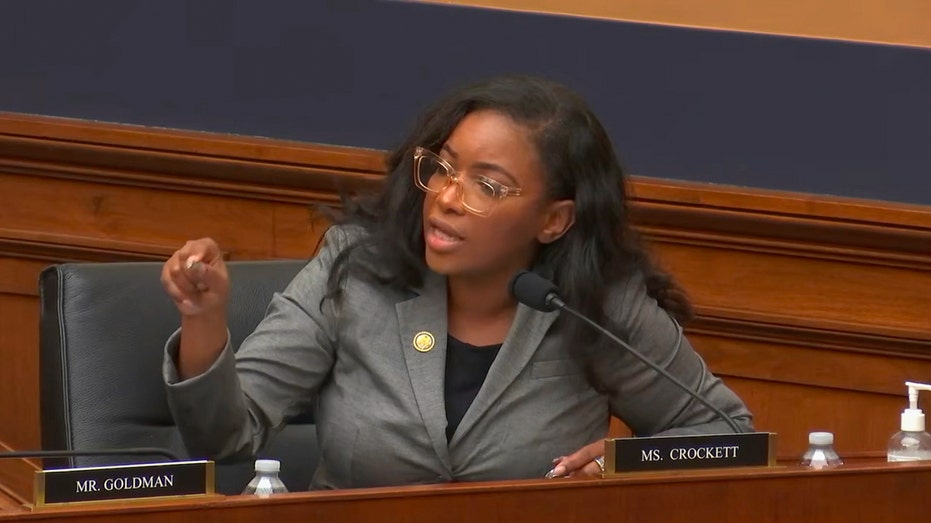
Rep. Jasmine Crockett, D-Texas, amplified the criticism during a heated congressional hearing on January 8, warning of potential nationwide protests and branding the shooting a "state-sanctioned execution." "This is not just a Minneapolis problem; this is a national crisis," Crockett stated, linking the incident to broader federal immigration policies under the Trump administration. Her comments reflect deepening partisan divides over ICE operations, which have intensified since President Trump's return to office in 2025, with renewed emphasis on mass deportations and border security.
The White House pushed back forcefully. Spokesperson Karoline Leavitt declared on January 8 that U.S. federal law enforcement was facing coordinated assaults, citing the Minneapolis unrest as evidence. "Federal officers are under organized attack," Leavitt said, framing the protests as threats to public safety rather than legitimate grievances. In response, the Trump administration announced the deployment of more than 100 additional U.S. Customs and Border Protection (CBP) agents and officers to Minnesota, bolstering ICE presence amid the chaos.
Background on Rising Tensions
The Minneapolis shooting comes amid a spike in civil unrest linked to immigration enforcement, set against a backdrop of heightened political violence entering 2026. A former FBI agent issued a stark warning on January 2, highlighting an escalation that includes an alleged assassination attempt on a political figure and recent attacks on ICE facilities nationwide. These incidents echo patterns from previous years, such as the 2020 George Floyd protests in the same city, which began with a police killing and ballooned into nationwide demonstrations against systemic issues.
ICE, part of the Department of Homeland Security, has faced scrutiny for its role in interior enforcement under Trump-era policies, including workplace raids and traffic stops targeting undocumented immigrants. Data from U.S. Customs and Border Protection shows a surge in encounters at the southern border in late 2025, prompting aggressive federal responses. Critics, including civil rights groups, argue that such tactics disproportionately affect communities of color and escalate routine interactions into deadly confrontations. Supporters, however, maintain that ICE agents operate under threat from organized opposition, pointing to assaults on officers as justification for heightened security measures.
Video evidence from the Good shooting, as referenced in reports, shows a tense encounter where the ICE officer fired after Good allegedly resisted, though details remain contested pending an official investigation. Authorities have not released the full body camera footage, fueling demands for transparency from activists who gathered with signs decrying "ICE terror" and calling for the agent's prosecution.
Outlook Amid Escalating Divisions
As of January 8, protests in Minneapolis showed no signs of abating, with local leaders urging calm while federal reinforcements arrived. Rep. Crockett's prediction of nationwide spillover raises concerns of replication in other immigration hotspots like sanctuary cities in California and New York. The former FBI agent's alert underscores a precarious national mood, where immigration policy intersects with broader political animosities, including post-2024 election fallout.
Federal investigators from the Department of Justice have launched a probe into the shooting, but tensions persist. The deployment of additional CBP personnel signals the administration's intent to project strength, potentially deterring further unrest but also risking escalation. With midterm elections looming in 2026, the incident encapsulates the volatile fusion of immigration, law enforcement, and partisan rhetoric that continues to test America's social fabric.
(Word count: 612)






