
Protests Grip Pakistan's Sindh Province After Landlord Kills Hindu Farmer
Badin, Sindh – January 10, 2026 – Protests have erupted across Sindh province in Pakistan following the alleged killing of a young Hindu farmer by a local landlord, igniting demands for justice amid longstanding concerns over minority rights and rural power imbalances.
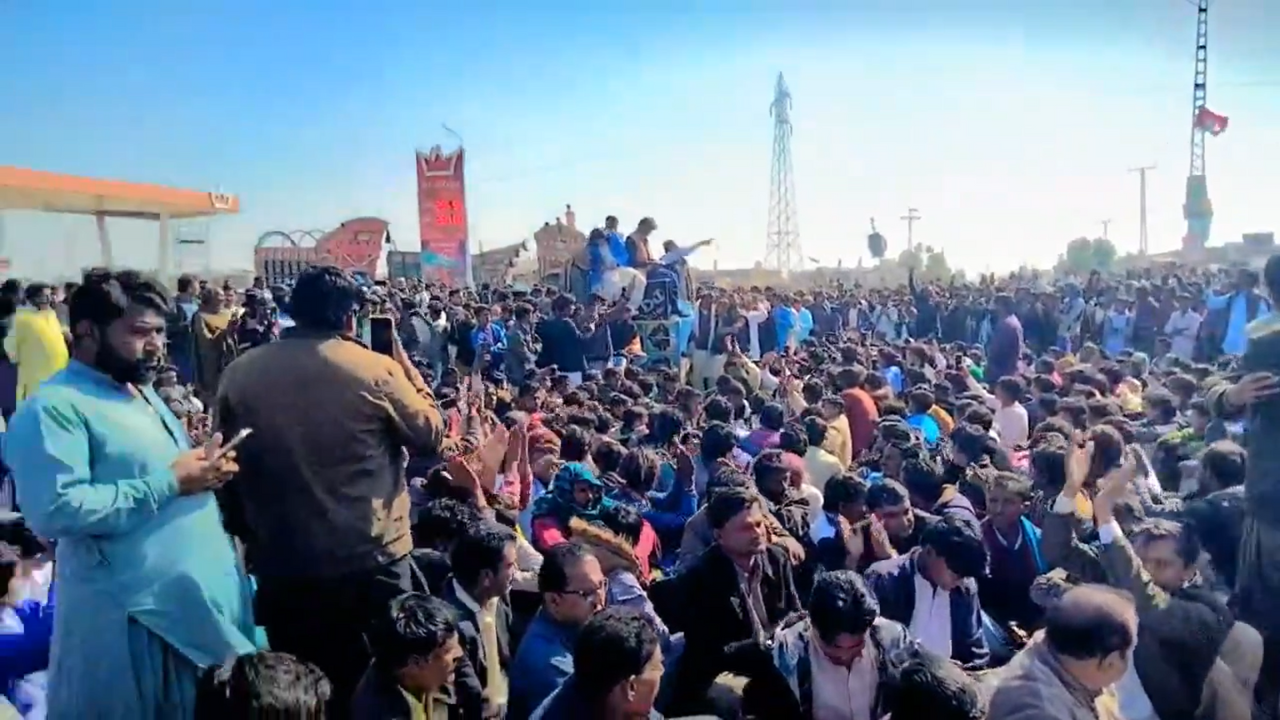
Demonstrators in Badin district staged sit-ins on Saturday, blocking roads and chanting slogans for the immediate arrest of the accused landlord responsible for the death of Kailash Kolhi, a Hindu farmer from the marginalized Kolhi community. The unrest, described by activists as a "cry of a wounded conscience," underscores deep-seated grievances against feudal lords who dominate rural Sindh, where land disputes and bonded labor practices have long plagued impoverished communities.
The protests began early on January 10, drawing crowds led by prominent activist Shiva Kachhi. Participants, including farmers, laborers, and members of the Hindu minority, gathered to highlight Kolhi's killing as emblematic of systemic violence against the poor and vulnerable. "This is not just about one death; it's about the daily struggles of the marginalized," Kachhi stated, according to reports from the scene. Demonstrators carried placards reading "Justice for Kailash Kolhi" and "End Feudal Oppression," blocking key highways to press their demands on local authorities.
Eyewitnesses reported that Kolhi was killed in a dispute with the landlord in Badin, a coastal district in southern Sindh known for its agricultural economy and arid landscapes. Specific details of the altercation remain under investigation, but protesters allege it stemmed from a land-related conflict, a common trigger in the region's feudal setup. No arrests have been confirmed as of the latest updates, fueling the escalation of the sit-ins.
Context: Minorities and Feudalism in Sindh
Sindh province, Pakistan's second-most populous region with over 47 million residents, is home to a significant Hindu minority, comprising about 8-10% of the population according to the 2017 census. Hindus, particularly lower-caste groups like the Kolhis, often work as sharecroppers or bonded laborers on vast estates controlled by influential waderas, or feudal landlords. This agrarian structure, a legacy of British colonial land grants, persists despite constitutional reforms aimed at abolishing it.
Human rights organizations, including Human Rights Watch and Amnesty International, have repeatedly documented cases of violence against minorities in Sindh, including forced conversions, kidnappings, and extrajudicial killings linked to land disputes. In 2023, similar protests rocked Mirpurkhas after the alleged abduction and forced marriage of a Hindu girl, leading to government promises of protection that were later criticized as inadequate. The killing of Kolhi fits into this pattern, with activists arguing it exposes the failure of law enforcement to protect vulnerable groups.
Pakistan's federal and provincial governments have faced international scrutiny over minority protections. The 2022 Transgender Persons Act and amendments to blasphemy laws represent incremental progress, but rural Sindh remains a hotspot for unrest. Badin district, prone to climate-induced challenges like flooding from the Indus River and cyclones, exacerbates economic desperation, pushing laborers into exploitative arrangements.
Local police in Badin have deployed additional forces to manage the protests, which authorities classify as medium severity with no reports of widespread violence as of Saturday evening. Sindh's Home Minister, Zia ul Hassan Lanjar, has not issued a public statement, though provincial officials are monitoring the situation. In past incidents, such as the 2021 protests in Tharparkar over child deaths due to malnutrition, negotiations with community leaders led to temporary resolutions.
Broader Implications and Outlook
The demonstrations highlight simmering tensions in Pakistan ahead of potential political shifts, as the country grapples with economic woes, inflation exceeding 20% in late 2025, and political instability following the 2024 elections. Rural unrest in Sindh could ripple into urban centers like Karachi, where Hindu and other minority communities have voiced solidarity.
Activists like Shiva Kachhi, who has campaigned against bonded labor for years, called for a judicial inquiry and land reforms. "The state must act decisively, or this wounded conscience will cry louder," she warned. Civil society groups, including the Pakistan Hindu Council, have echoed these demands, urging Prime Minister Shehbaz Sharif's administration to intervene.
As sit-ins continue into Sunday, the focus remains on whether arrests will pacify protesters or escalate the movement. Historical precedents suggest dialogue could de-escalate tensions, but persistent impunity risks broader civil unrest. International observers, including the UN Human Rights Office, may take note, given Pakistan's upcoming Universal Periodic Review in 2026.
This incident serves as a stark reminder of the fragile social fabric in rural Pakistan, where justice for one farmer could signal reforms for millions.
(Word count: 612)