
Protests Erupt in Somalia Following Israel’s Recognition of Somaliland
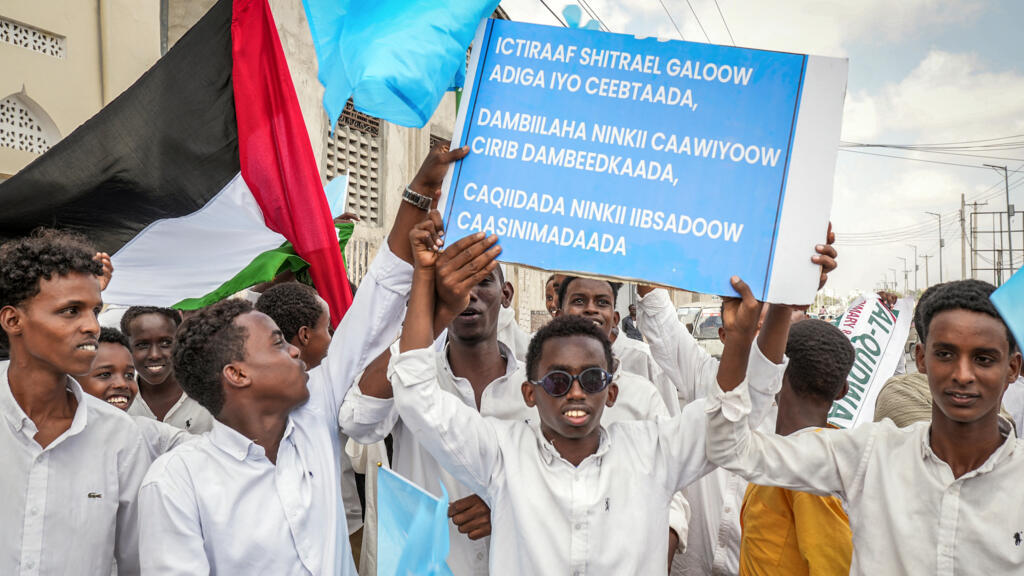
Mass protests have erupted across Somalia in response to Israel's recent recognition of Somaliland, a self-declared independent region that has sought autonomy from the Somali central government since the early 1990s. The demonstrations began on December 31, 2025, as citizens expressed their outrage over what they perceive as a direct threat to Somalia's national integrity and regional stability.
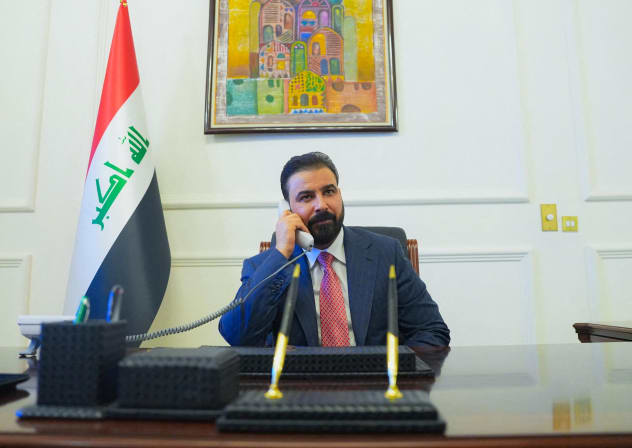
The Somali government has reacted swiftly to the protests, warning that Israel's decision could exacerbate tensions not only within Somalia but also in the broader Horn of Africa region. Officials have engaged in urgent diplomatic discussions as they seek to mitigate the fallout from this controversial recognition.
Nationwide Outcry
From the bustling streets of Mogadishu to the quieter towns in the north, protesters have taken to the streets, waving Somali flags and chanting slogans against both Israel and the Somaliland administration. Many demonstrators view Israel's recognition as an endorsement of Somaliland's quest for independence, which they believe undermines Somalia's sovereignty.
"The recognition of Somaliland by Israel is an affront to our national dignity," said one protester in Mogadishu. "We stand united against any foreign interference in our internal affairs."
The Somali government, under President Hassan Sheikh Mohamud, has issued statements condemning Israel’s move, asserting that it poses a significant threat to the country's territorial integrity. "We urge the international community to respect Somalia's sovereignty and refrain from actions that could destabilize the region," the government stated in a press release.
Diplomatic Repercussions
The recognition of Somaliland by Israel is particularly sensitive given the region's complex history of conflict and self-determination. Somaliland declared independence from Somalia in 1991, following the collapse of the central government amid civil war. However, it has not been recognized as a sovereign state by the United Nations or any major world powers, making Israel's recognition a highly contentious issue.
The Somali government has called for an emergency meeting of the African Union to address the implications of Israel's recognition. "This is not just a Somali issue; it affects the entire Horn of Africa," an official stated during a press briefing.
Background on Somaliland and Its Struggle for Recognition
Somaliland has functioned independently for over three decades, establishing its own government, military, and currency. Despite its de facto independence, it has struggled for international recognition, a situation that has been further complicated by the ongoing conflict with the Somali government.
The recent protests highlight the fragile nature of peace and stability in Somalia, where various factions have historically vied for power. The situation is further complicated by ongoing issues, including terrorism and clan rivalries, which have hampered the nation's development and governance.
Conclusion
As protests continue and diplomatic efforts intensify, the Somali government faces the challenge of unifying the country in the face of external pressures. The recognition of Somaliland by Israel has ignited feelings of nationalism and unity among many Somalis, yet it also raises significant questions about the future of the region's stability. The coming days will be critical as both the Somali government and international community navigate this developing situation, seeking to address the concerns of the Somali people while managing the implications of Israel's controversial decision.