
Protests Erupt in Colombia in Support of Venezuela Amid Ongoing Tensions
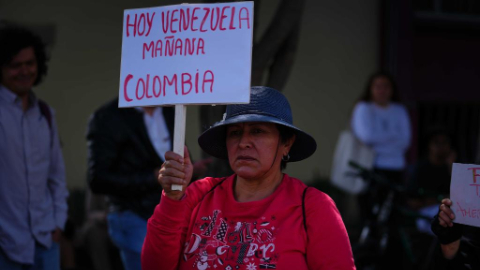
On January 4, 2026, significant civil unrest unfolded in Colombia as demonstrators gathered outside the U.S. Embassy in Bogotá to express their support for Venezuela amid the country's ongoing political and humanitarian crisis. The protests reflect growing public discontent and solidarity with Venezuelans facing hardships exacerbated by economic collapse and political strife.
The demonstration commenced in the early hours of Sunday morning, with participants carrying banners and chanting slogans that called for international attention to the situation in Venezuela. Protesters condemned the U.S. government's role in Venezuela's affairs and called for an end to sanctions that they argue have deepened the crisis. The atmosphere was charged, with a mix of fervent speeches and calls for solidarity among the South American nations.
Context of the Protests
The unrest in Colombia is emblematic of broader regional tensions surrounding Venezuela, where political instability has persisted for several years. Economic mismanagement, hyperinflation, and widespread shortages of basic necessities have led millions of Venezuelans to flee their country, seeking refuge in neighboring nations like Colombia. The situation has strained resources and public services in Colombia, which has taken in over 1.8 million Venezuelan migrants.
The protests are also indicative of the political landscape in Colombia, where public opinion can sway dramatically based on regional dynamics and international relations. With the recent escalation of tensions in Venezuela, Colombians have increasingly voiced their concerns about the humanitarian implications of the ongoing crisis.
Statements from Protesters
Protest organizers highlighted the need for a unified Latin American response to the Venezuelan crisis. "We are here to show our brothers and sisters in Venezuela that they are not alone. We demand that the international community, especially the United States, reconsider their policies that worsen the suffering of the Venezuelan people," one speaker stated during the rally.
Despite the peaceful nature of the demonstration, the presence of law enforcement was notable, underscoring the government's awareness of the potential for unrest. Authorities maintained a watchful eye on the proceedings to ensure order and safety.
Broader Implications
These protests come at a time when regional dynamics in Latin America are shifting. With the recent changes in leadership across various countries, including Colombia’s current administration, there is a renewed focus on regional cooperation and solidarity. As Colombia navigates its response to the influx of Venezuelan migrants and the implications of its neighbors' crises, public sentiment remains a crucial factor in shaping policy.
The U.S. response to the protests and the Venezuelan crisis will likely influence future diplomatic relations within the region. As Colombia grapples with its own internal challenges, the ability to balance support for Venezuelans with domestic stability will be critical.
Conclusion
The protests in Bogotá serve as a reminder of the interconnectedness of Latin American nations and the shared challenges they face regarding migration, governance, and humanitarian issues. As the situation in Venezuela continues to evolve, it is clear that public sentiment in Colombia will play a vital role in shaping the nation's approach to its neighbor and the broader regional landscape.
The situation remains fluid, and further demonstrations may occur as activists push for greater attention to the plight of Venezuelans, prompting both local and international responses.