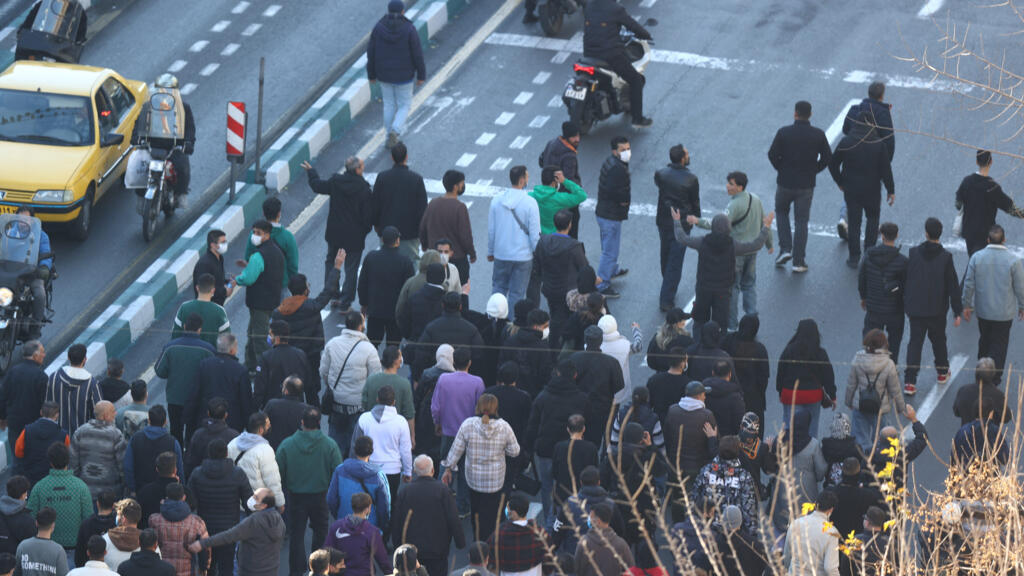

Protests Erupt Across Iran Amid Economic Turmoil and Political Discontent
Protests in Iran have intensified significantly since the beginning of the year, with demonstrations erupting in multiple cities, including Tehran, as citizens express deep discontent against the government and its leadership. The unrest, which began on January 1, 2026, is marked by violent clashes between demonstrators and security forces, resulting in fatalities on both sides.
The protests have been fueled by soaring inflation and a collapsing currency, with reports indicating that at least seven people have been killed, including a member of Iran's security forces during the unrest. This wave of demonstrations is considered the most significant since the protests sparked by the death of Mahsa Amini in 2022, which also highlighted widespread grievances against the Iranian regime.
As protestors chant against Supreme Leader Ali Khamenei, the Iranian Foreign Ministry has taken an unusual stance by publicly supporting the protests. This declaration indicates a significant shift in political dynamics within the government as it grapples with the growing civil unrest. The ministry's support for the demonstrators comes amid increasing public calls for reform and change, reflecting what experts describe as a "huge trust issue" between the Iranian populace and its government.
Background of the Unrest
The current protests are primarily driven by economic factors. The Iranian rial has lost nearly half its value against the U.S. dollar throughout 2025, with inflation rates soaring to approximately 42.5% in December. The rising cost of living has led to widespread dissatisfaction, particularly among shopkeepers and students who have been at the forefront of the demonstrations. These groups have assembled to demand better economic conditions and greater political freedoms.
The protests began with shopkeepers in Tehran expressing their frustrations over economic hardships and have since expanded to include students and citizens in rural areas. Reports suggest that the demonstrations are not merely economic in nature but also reflect a broader desire for political change and accountability from the leadership.
Government Response and International Reactions
In response to the escalating unrest, the Iranian government has offered to engage in dialogue with the protesters, yet officials have also threatened a "decisive response" to any attempts to destabilize the country. The prosecutor-general of Iran has warned that the government will not tolerate disruptions caused by the ongoing protests.
Internationally, tensions have heightened, particularly between the United States and Iran. President Donald Trump issued warnings to Iranian authorities, stating that the U.S. is "locked and loaded" and ready to respond should the government resort to violence against protesters. This exchange of threats underscores the fragile geopolitical landscape amid Iran's internal strife.
Conclusion
As protests continue to spread across Iran, the situation remains fluid and highly volatile. With a significant portion of the population expressing dissent against the leadership, the Iranian government's ability to manage the unrest will face critical tests in the coming days. The ongoing economic crisis, compounded by public discontent, poses a formidable challenge for President Masoud Pezeshkian's administration as it seeks to navigate the turbulent waters of civil unrest and potential reform. The developments in Iran will likely have implications not only domestically but also for regional stability and international relations.






