
Political Clashes Erupt in Indore Over Contaminated Water Deaths, Fueling Demands for Accountability
Indore, Madhya Pradesh – Political tensions boiled over in Indore on January 3, 2026, as workers from the Bharatiya Janata Party (BJP) and Congress clashed amid outrage over deaths linked to contaminated water in the Bhagirathpura area. Police intervened to restore order, resulting in detentions of Congress leaders, while subsequent visits by opposition figures have intensified calls for higher compensation and official accountability.
The unrest, rated as medium severity by event trackers, stemmed from a deadly water crisis that has gripped the locality. On Saturday, January 3, at approximately 7:58 PM GMT, confrontations broke out between rival party workers protesting the government's handling of the contamination issue. Eyewitness accounts and event reports describe heated exchanges escalating into physical scuffles, prompting a heavy police deployment to separate the groups and detain several Congress leaders.
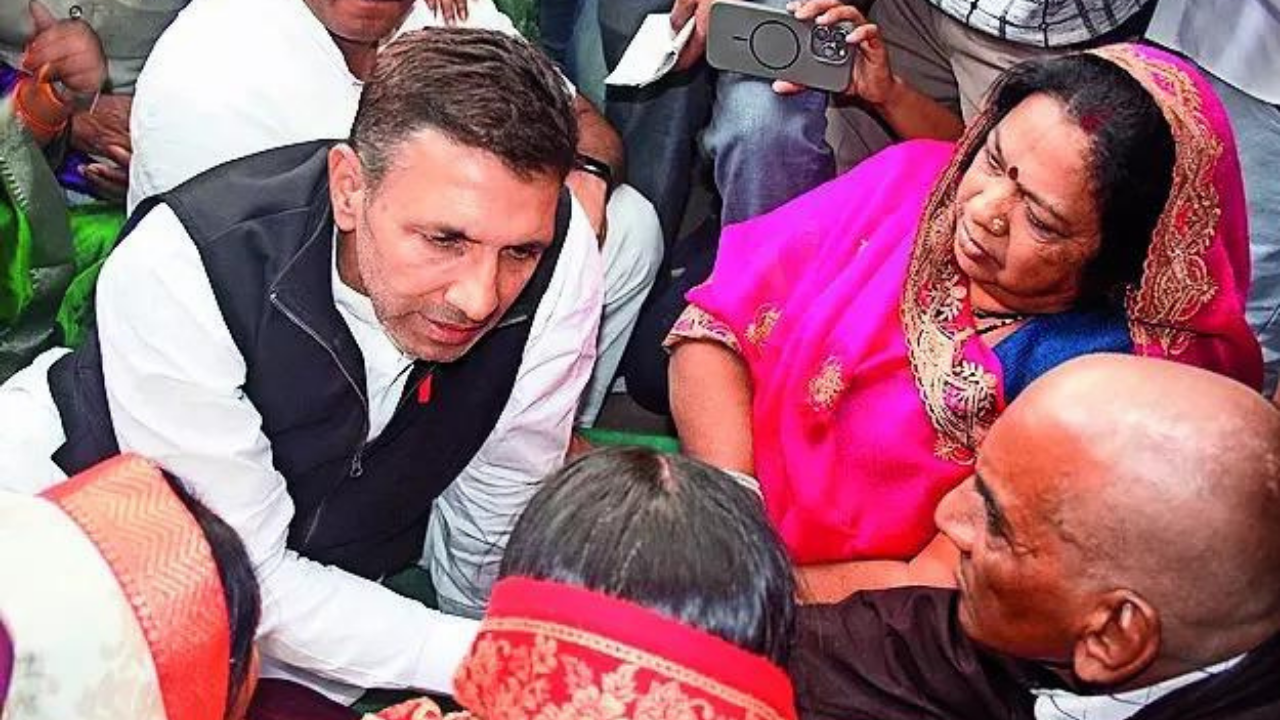
Four days later, on January 7, senior Congress leaders Jitu Patwari, the Madhya Pradesh Congress chief, and Umang Singhar visited the affected Bhagirathpura neighborhood. Their arrival was marked by a significant police presence, underscoring the lingering volatility. The leaders met with families of the deceased, lambasting the state government's response as inadequate. The Madhya Pradesh administration had announced Rs 2 lakh (approximately $2,400) in relief for each affected family, a measure the Congress deemed an "insult to victims."
"We demand Rs 1 crore compensation for the families of the deceased," Patwari stated during the visit, according to reports. Singhar echoed the sentiment, calling for strict action against negligent officials responsible for the water supply failure. The opposition accused the BJP-led state government of downplaying the crisis and failing to prevent the contamination, which has led to multiple fatalities from waterborne diseases.
The incident highlights ongoing public health challenges in Indore, one of India's fastest-growing cities and a commercial hub in Madhya Pradesh. Bhagirathpura, a densely populated residential area, relies on local water supply systems that have faced scrutiny for poor maintenance. Contaminated water outbreaks are not uncommon in urban India, often exacerbated by aging infrastructure, rapid urbanization, and monsoon-related disruptions. In recent years, similar crises have struck other parts of Madhya Pradesh, including Bhopal and Gwalior, prompting periodic political finger-pointing between the ruling BJP and opposition Congress.
Madhya Pradesh, governed by the BJP since 2023 under Chief Minister Mohan Yadav, has prioritized infrastructure development, including water supply projects under schemes like Jal Jeevan Mission. However, critics argue implementation gaps persist in peripheral urban zones like Bhagirathpura. The Congress, bolstered by figures like Patwari—a former state minister—and Singhar, has used the episode to rally support ahead of local elections, framing it as evidence of governance lapses.
Police officials confirmed the detentions on January 3 were procedural, with those held released after questioning. No major injuries were reported from the clashes, but the events have drawn attention from state authorities. The Indore district administration has initiated investigations into the water contamination source, promising clean water supplies and medical aid. Health officials reported ongoing testing of water samples, with advisories issued for residents to boil water and seek treatment for symptoms.
This flare-up occurs against a backdrop of polarized politics in Madhya Pradesh, where the BJP holds a strong majority following its 2023 assembly election victory. The Congress, which ruled the state until late 2023, has been vocal on civic issues to regain ground. Water-related protests have previously led to unrest in the state, such as the 2022 Bhopal protests over polluted groundwater.
As investigations continue, political rhetoric shows no signs of abating. Congress leaders have vowed to escalate the matter to the state assembly, while BJP spokespersons have defended the relief measures as swift and empathetic. The episode serves as a reminder of the intersection between public health emergencies and electoral politics in India's urban centers, with residents awaiting tangible resolutions to prevent future tragedies.
In the broader context of civil unrest in India, such localized clashes over service delivery issues remain sporadic but underscore vulnerabilities in densely populated areas. Event monitors classify this as medium severity, with no indications of wider escalation as of January 7, 2026. Authorities urge calm, emphasizing dialogue over confrontation to address the root causes.
(Word count: 612)






