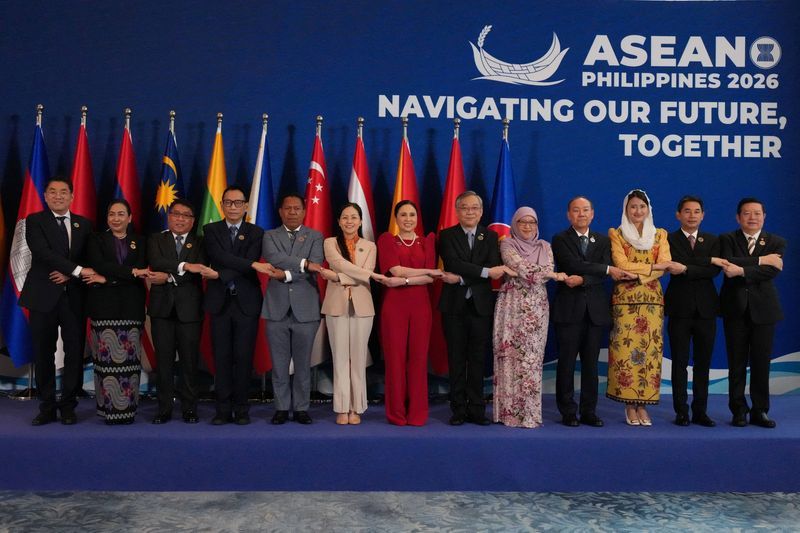

Philippines' Geopolitical Tightrope: Internal Reforms and Global Alliances
Introduction
The Philippines navigates a complex geopolitical landscape amid South China Sea tensions and Middle East conflicts. Internal reforms, such as anti-corruption efforts in the defense sector, are reshaping alliances and enhancing national security. This deep dive explores how Manila's domestic changes drive a more assertive foreign policy, balancing U.S. ties with partnerships in Asia and Europe.
Current Dynamics and Historical Roots
The Philippines' geopolitical stance stems from colonial history and Cold War alliances, evolving through events like the 1951 U.S. Mutual Defense Treaty. In 2026, key developments include arms deals with South Korea, probes of Chinese dredgers, and defense pacts with France. These moves address internal challenges like espionage arrests and external pressures from SCS disputes and global energy volatility.
Future Implications and Looking Ahead
Reforms could strengthen alliances, but risks like military escalations persist. Looking ahead, diversified partnerships may secure economic stability and deter conflicts. Proactive diplomacy, such as accelerating a SCS code of conduct, is essential for sustainable growth.
Key Data & Statistics
- Defense spending: PHP 250B in 2026, up 22% YoY.
- South China Sea: Over 300 Chinese vessel sightings annually.
- Economic impacts: Oil prices up 25%, remittances down 8%.
Timeline
- Jan 2, 2026: South Korea arms deal.
- Jan 7, 2026: Chinese dredger probe.
- Jan 16, 2026: France defense pact.
Multiple Perspectives
Pro-reform hawks see benefits in deterrence, while moderates warn of escalation risks.






