
Philippine Military Backs Arrest of Retired General for Sedition as Marcos Faces Flood Control Corruption Storm
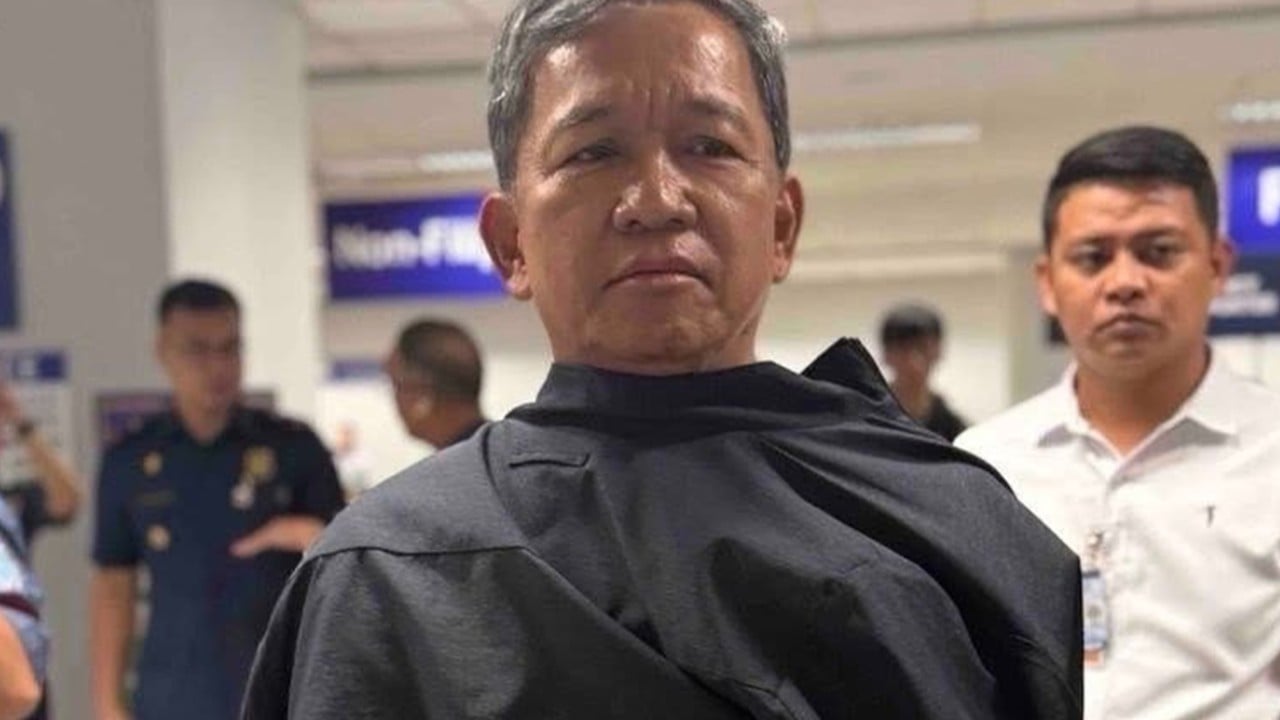
Manila, Philippines – The Armed Forces of the Philippines (AFP) has publicly endorsed the arrest of retired air force general Romeo Poquiz on charges of inciting sedition, framing the move as a commitment to the "rule of law" amid heightened political tensions surrounding President Ferdinand Marcos Jr. The development, which unfolded on January 6, 2026, comes as the president grapples with a burgeoning corruption scandal involving billions of pesos in questionable flood control projects.
Poquiz, a former air force general, was detained following the emergence of a video in which he urged the military chief to withdraw support from Marcos Jr., whom he labeled a "drug addict." The footage, which rapidly circulated online, escalated calls for military disloyalty at a time when public discontent over alleged graft is intensifying. Philippine authorities moved swiftly to arrest Poquiz, citing violations related to sedition – a charge that carries significant weight in the country's penal code, historically used to curb dissent.
In a statement, the AFP emphasized its adherence to constitutional processes. "The Armed Forces of the Philippines remains committed to the rule of law and will continue to uphold its mandate to protect the state and the people," the military said, according to reports. This show of support from the armed forces underscores the institution's pivotal role in Philippine politics, where loyalty from the military has often determined the stability of administrations.
The arrest occurs against the backdrop of a spiraling corruption scandal centered on flood control initiatives. Investigations have revealed anomalies in projects worth billions of pesos, with accusations of funds being squandered or misappropriated. Public outrage has mounted, fueled by social media campaigns and protests demanding accountability. Marcos Jr., who assumed office in June 2022, has faced mounting scrutiny over governance issues, including controversies surrounding confidential and intelligence funds allocated to his office and that of Vice President Sara Duterte.
Broader Context of Political Tensions
Philippine politics has long been marked by volatility, with the military playing a central role in key historical junctures. During the 1980s martial law era under Marcos Jr.'s father, Ferdinand Marcos Sr., the armed forces were instrumental in both propping up and eventually undermining the regime, culminating in the 1986 People Power Revolution. More recently, attempted coups and factional rivalries within the military have periodically threatened elected leaders, including former President Rodrigo Duterte, Marcos Jr.'s predecessor and political ally-turned-rival.
Marcos Jr.'s administration has navigated a delicate balance since his landslide victory in the 2022 elections, which saw him secure over 58% of the vote. His presidency has focused on infrastructure, economic recovery post-COVID-19, and foreign policy shifts, including strengthened ties with the United States amid South China Sea disputes. However, domestic challenges persist, including inflation, natural disasters exacerbated by climate change, and persistent corruption allegations.
Flooding remains a perennial crisis in the archipelago nation, where typhoons and monsoons displace millions annually. The Department of Public Works and Highways (DPWH) oversees major flood control efforts, but recent audits by the Commission on Audit (COA) have flagged irregularities in contracts awarded under previous and current administrations. Billions of pesos in unliquidated funds and overpriced projects have come under fire, amplifying criticisms that elite capture hinders effective disaster preparedness. As of early 2026, heavy rains have again battered Luzon, renewing focus on these failed initiatives.
Poquiz's outburst taps into these frustrations, echoing broader narratives of elite impunity. In the viral video, he directly appealed to AFP Chief of Staff Gen. Romeo Brawner Jr., calling for a leadership change. Sedition charges under Article 116 of the Revised Penal Code punish such incitement with imprisonment of six months to six years, reflecting the government's firm stance against perceived threats to stability.
Implications and Ongoing Developments
The military's swift alignment with the arrest sends a clear signal of institutional loyalty to the civilian government, potentially deterring similar public calls from other retirees or active personnel. Analysts note that while the incident is rated as medium severity in civil unrest tracking, it highlights simmering undercurrents that could escalate if corruption probes deepen.
Public reaction remains polarized. Supporters of Marcos Jr. view the arrest as necessary to prevent destabilization, while critics decry it as suppression of free speech amid legitimate grievances. Protests have been limited so far, but organized labor groups and opposition figures have voiced concerns over transparency in flood control spending.
As investigations continue, the scandal poses a test for Marcos Jr.'s administration. The president has pledged reforms, including enhanced oversight of public works projects, but faces pressure from allies in Congress and the Senate. With midterm elections approaching in 2028, the episode underscores the fragility of political cohesion in the Philippines.
The AFP's stance reaffirms its apolitical posture, but history cautions against complacency. For now, the focus shifts to judicial proceedings against Poquiz and accountability measures for the flood control debacle, as the nation braces for the rainy season.
(Word count: 728)