Pakistan's Airstrikes and Afghanistan Retaliation: The Humanitarian Crisis in Khyber Pakhtunkhwa
By David Okafor, Breaking News Editor, The World Now
March 13, 2026
Introduction to the Crisis
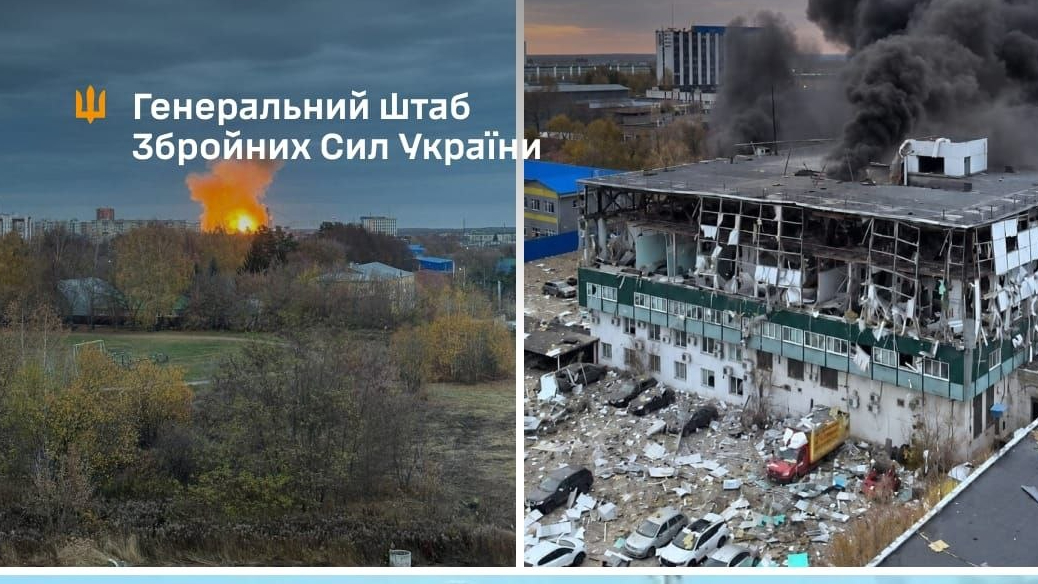
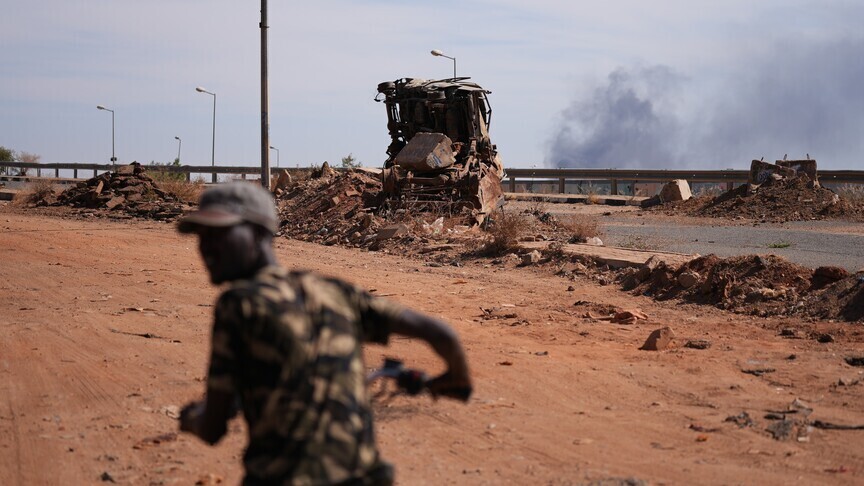
Pakistan's recent airstrikes on suspected militant sites in Afghanistan have triggered a cycle of retaliation, including Afghan drone attacks on Pakistani military targets. A bomb attack on March 13 killed seven security personnel in North Waziristan, Khyber Pakhtunkhwa (KP), escalating tensions. This conflict, rooted in regional rivalries, has displaced thousands of civilians, damaged infrastructure, and worsened humanitarian conditions in South Asia's fragile border regions.
Historical Context and Humanitarian Impact
The escalation traces back to January 28, 2026, when India's strikes on Pakistani bases sparked a chain reaction. Pakistan's February 26 responses along the Afghan border led to further clashes, including the March 13 events. Civilians in KP and eastern Afghanistan bear the brunt, with over 500 families displaced, schools disrupted, and health facilities overwhelmed. Poverty rates exceed 60% in these areas, exacerbating food insecurity and gender disparities.
Original Analysis and Future Outlook
This proxy war involves external actors like India and the U.S., amplifying internal Pakistani tensions. Original analysis reveals how strikes fuel militant recruitment and economic instability. Looking ahead, weekly cross-border incidents could escalate into a tripartite conflict by mid-2026, potentially drawing UN mediation or sanctions. Urgent dialogue is needed to break the cycle and prioritize civilian welfare.