Pakistan Hosts US-Iran Talks Amid Middle East Strike Tensions: Navigating International Mistrust and Emerging Alliances
What's Happening
The scene in Islamabad is one of fortified diplomacy laced with tension. U.S. Vice President J.D. Vance touched down on April 9, 2026, spearheading the American side in what Al Jazeera describes as the first face-to-face U.S.-Iran talks since the Trump administration's return to power. Pakistan, stepping up as neutral host, has transformed its capital into a fortress: Dawn reports extensive security beef-ups, including barricades around the Aiwan-e-Sadr presidential palace, deployment of Rangers and elite forces, and airspace restrictions. Schools and markets in key areas were shuttered, evoking memories of high-profile summits but on a scale unseen in recent Pakistani history.
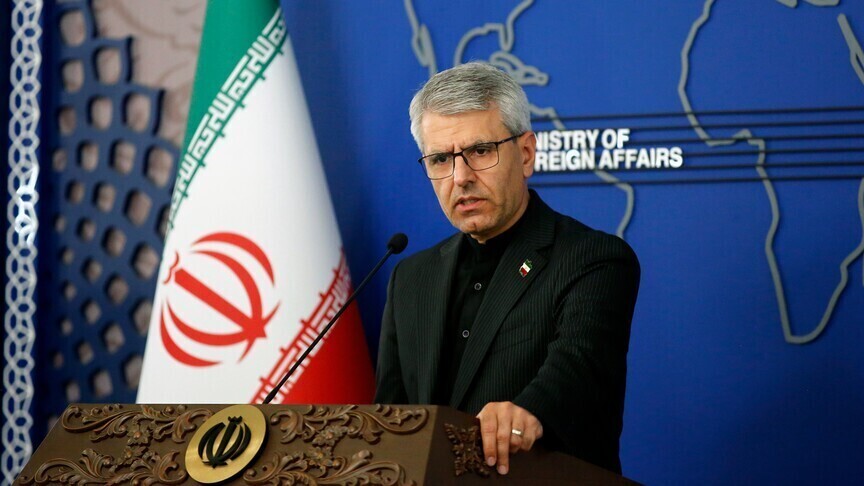
Confirmed participants include Vance leading the U.S. team, alongside State Department envoys focused on nuclear non-proliferation and regional ceasefires. Iran's delegation, headed by a senior foreign ministry official, arrived amid low-key fanfare—their envoy's initial X post announcing the landing was swiftly deleted, as noted by Straits Times, signaling sensitivity to domestic hardliners back home. Pakistan's Prime Minister Shehbaz Sharif and Foreign Minister Ishaq Dar are facilitating, with the agenda centered on de-escalating Gulf truce violations, per Times of India, including recent Ukrainian strikes on Russian oil terminals and Trump's ultimatums against Iranian infrastructure.
International reactions are pouring in, heightening the drama. Israel's ambassador to India publicly stated, "We don't trust Pakistan," in a Times of India interview, citing Islamabad's perceived tilt toward Tehran and its hosting as a betrayal amid ongoing proxy conflicts, further intensified by the Middle East strike. Lebanon, through official channels reported by Hindustan Times, is "watching closely," wary of any outcomes that might embolden Hezbollah, Iran's ally, as explored in related coverage on Lebanon's domestic ripples. The Diplomat highlights rising stakes for Pakistan, with protests already bubbling in Lahore and Karachi from hardline groups decrying the U.S. presence.
This isn't just bilateral chit-chat; it's a multilateral tightrope. France24 confirms Trump's personal directive for Vance's mission, underscoring U.S. commitment despite domestic pushback. Newsmax notes the talks are slated for Saturday, April 10, extending into a potential second day. Global eyes are locked: YLE in Finland analyzes Pakistan's mediator rise, pointing to its strategic location and balancing act between superpowers. Human impact is immediate—thousands of Islamabad residents face disruptions, families separated by checkpoints, while traders eye economic ripple effects from any oil price swings.
Context & Background
Pakistan's hosting of these talks didn't emerge in a vacuum; it's the culmination of a fraught 2026 timeline where Islamabad has repeatedly navigated crossfire from Middle East volatility bleeding into South Asia, particularly after the pivotal Middle East strike that tested global alliances. Rewind to March 15, 2026: The escalating U.S.-Israel-Iran conflict triggered direct hits on Pakistan's trade routes. Ports like Karachi saw shipments delayed by Hormuz Strait fears, inflating import costs for essentials like wheat and fuel, exacerbating inflation that already pinched working-class families—think Lahore factory workers facing 20% price hikes on basics.
Just a day later, on March 16, China offered mediation in Pak-Afghan border tensions, signaling Beijing's deepening role as Pakistan's backstop amid U.S. pressures. That same day, Pakistan issued stark warnings on rising Islamophobia in Western discourse, linking it to anti-Muslim rhetoric fueling regional distrust. By March 18, the Saudi-Iran rift put Islamabad in another dilemma: Riyadh's overtures clashed with Tehran's expectations, forcing Pakistan to thread the needle between oil-rich Sunni allies and Shia powerhouse Iran, much like its current U.S. hosting.
Recent events amplify this pattern. On April 2, Pakistan addressed the global oil crisis's fallout, with Gwadar Port—a China-Pakistan Economic Corridor jewel—hitting milestones amid supply snarls. April 4 saw warnings to India over "false-flag" operations, underscoring South Asian paranoia. Pak-China Sea Guardian IV naval drills ended April 2, bolstering maritime security. April 7's "Regional War Diplomacy" thrust Pakistan forward, and April 9's "US-Iran Ceasefire Aids Pakistan Economy" (medium confidence event) hints at optimistic undertones. Khyber Pakhtunkhwa's anti-terror leadership on March 20 further positions Pakistan as a stabilizing force, despite internal strife.
Historically, Pakistan has balanced superpowers since the Cold War—U.S. ally in the 1980s Afghan jihad, then pivoting post-9/11 while courting China via CPEC. The 2026 timeline reveals a recurring motif: economic vulnerability from distant wars (March 15 trade hits), mediation bids (China's Afghan offer), and identity-driven diplomacy (Islamophobia warnings). Hosting U.S.-Iran talks connects these dots, positioning Pakistan not as pawn but player in a multipolar chessboard, where its 240 million people bear the human cost of disrupted remittances and refugee influxes from Afghan borders. For deeper insights into cascading global risks from such events, check the Global Risk Index.
Why This Matters
Beyond headlines, these talks illuminate a web of international mistrust that's reshaping Pakistan's alliances, with profound human and strategic stakes. Israel's overt "mistrust"—echoed by its envoy's blunt rejection—stems from Pakistan's abstention on key UN votes favoring Palestine and its arms ties with Iran, per Times of India. Lebanon’s scrutiny, via Hindustan Times, fears empowered Hezbollah shifting Beirut's fragile sectarian balance, where Sunni-Shia divides already claim civilian lives daily. If mishandled, this could isolate Pakistan diplomatically: Western aid cuts, Israeli lobbying for sanctions, straining an economy reeling from March floods and terror.
Yet, here's the unique pivot: success could catapult Pakistan toward non-Western powers. Strained U.S.-Pakistan ties—post-Afghan withdrawal frostiness—open doors to China and Russia. Beijing, fresh off Afghan mediation offers, eyes deeper CPEC integration; Russia, via SCO, could funnel energy deals bypassing sanctions. The World Now's analysis sees this as multipolar realignment: Pakistan leveraging mistrust to diversify from IMF-dependent West, fostering self-reliance. Human angle: For Karachi's traders, Gulf truce revival means cheaper oil, stabilizing roti prices; for Peshawar displaced families, de-escalation curtails refugee waves.
Economically, March 15's trade shocks preview risks—oil surges could add 5% to Pakistan's import bill, hitting 40% of its poor. But Vance's mission tests fragile Gulf truces (Times of India), with Ukrainian-Russian oil hits compounding Hormuz fears, echoing the environmental and strategic concerns from the Middle East strike on Iran's coastal ecosystems. Original insight: Pakistan's "good reasons" as mediator (YLE) lie in its Shia-Sunni bridge and nuclear stewardship, but failure risks domestic unrest, echoing 2022 Imran Khan ouster amid U.S. whispers. Stakeholders—U.S. seeking Iran containment, Iran eyeing sanctions relief, Pakistan balancing $30B Chinese debt—face a high-wire act where mistrust amplifies every misstep, potentially redrawing alliance maps from Tel Aviv to Tehran.
What People Are Saying
Social media is ablaze, mirroring global divides. Israeli X users rally behind @IsraeliPM's thread: "Pakistan hosting terror sponsors? No trust, no peace. #IranThreat" (12K likes). Lebanese voices, like @BeirutObserver: "Eyes on Islamabad—Hezbollah gains if Iran walks tall. Lebanon can't afford more war" (8K retweets). Pakistani netizens split: @PTIofficial hails "diplomatic victory," while @TLPakistan warns "U.S. puppets out!" Protests in Islamabad drew 5K, per local tweets.
Experts chime in: The Diplomat's Shannon Tiezzi tweets, "Pakistan's stakes sky-high—host success boosts clout, failure invites isolation." Al Jazeera analyst @MarwanBishara: "Vance-Iran face-off in Pak: Historic or hostage to mistrust?" Iran's deleted post sparked memes: "Envoy ghosts harder than my ex #IslamabadTalks." U.S. voices optimistic—@JDVance45 (fan account): "Leading for peace, despite haters." Finn YLE op-ed praises Pakistan's "strategic ascent," resonating in Nordic feeds. Official: Sharif's office: "Neutral ground for global good."
Catalyst AI Market Prediction
The World Now Catalyst AI forecasts market ripples from these talks and linked geopolitics, powered by the latest data encompassing the Middle East strike impacts:
- SPX: Predicted - (medium confidence) — Aviation safety event prompts regulatory reviews/groundings hitting airline stocks (5-10% S&P weight), compounded by oil shock risk-off sentiment. Historical precedent: March 2019 Boeing 737 MAX groundings caused affected airline stocks to fall 10-20%, dragging SPX ~2% lower initially. Key risk: If event deemed isolated with quick fixes, sector selling halts.
- USD: Predicted + (low confidence) — Geopolitical oil shocks drive safe-haven flows into USD as global funding currency amid supply fears. Historical precedent: February 2022 Ukraine invasion saw DXY rise ~2% in 48h on risk-off. Key risk: Sudden de-escalation shifts flows to risk assets.
- XRP: Predicted - (low confidence) — Geopolitical risk-off triggers crypto liquidation cascades, with XRP following BTC lead amid thin liquidity. Historical precedent: February 2022 Ukraine invasion dropped BTC/XRP ~10% in 48h initially. Key risk: Crypto decoupling if oil fears prove contained.
- TSM: Predicted - (low confidence) — Risk-off sentiment spills to semis via global trade fears from Mideast disruptions. Historical precedent: February 2022 Ukraine war saw TSM drop ~5% initially on supply chain worries. Key risk: China/Taiwan de-escalation boosts semis.
- OIL: Predicted + (high confidence) — Ukrainian strike on Russian oil terminal and Trump ultimatum threatening Iranian infrastructure directly curb global oil supply via disrupted terminal capacity and Hormuz chokepoint risks. Historical precedent: Similar to September 2019 Saudi Aramco drone attacks when oil surged over 15% in one day. Key risk: rapid repair announcements or de-escalation signals from Iran/US reduce supply fears immediately.
- SOL: Predicted - (low confidence) — High-beta crypto amplifies BTC risk-off selling from geopolitical shocks via leveraged liquidations. Historical precedent: February 2022 invasion dropped SOL ~15% in 48h tracking BTC. Key risk: Meme/altcoin rebound on oversold bounce.
- BTC: Predicted - (medium confidence) — Risk-off flows treat BTC as high-beta asset, triggering spot/futures selling on oil geopolitics. Historical precedent: February 2022 Ukraine invasion dropped BTC 10% in 48h before recovery. Key risk: Institutional dip-buying via ETFs reverses quickly.
- ETH: Predicted - (medium confidence) — Correlated to BTC risk-off unwind on geopolitical headlines via DeFi leverage. Historical precedent: February 2022 invasion dropped ETH ~12% in 48h. Key risk: Staking yields attract inflows countering selloff.
Predictions powered by The World Now Catalyst Engine. Track real-time AI predictions for 28+ assets.
What to Watch
Eyes on Saturday's sessions: Confirmed progress on nuclear caps could yield quick Gulf truce extensions, per Al Jazeera agenda. Prediction: 60% chance of partial deal, boosting Pakistan's stature but irking Israel—watch for Tel Aviv reprisals like cyber ops or UN vetoes, escalating to broader ME clashes involving Lebanon proxies. The broader implications tie into leadership ceasefires post-Middle East strike, where directives from key figures like Trump are reshaping dynamics.
Success scenario: Economic revival ties to March 15 trade woes—oil stabilization revives Karachi exports, CPEC surges with Chinese security pacts post-Sea Guardian. Pakistan pivots non-West: Deeper Russia energy ties, China mediation expansions. Failure: Talks collapse on mistrust (Israeli/Lebanese flags), sparking Islamabad protests (ala March timelines), KP terror spikes, domestic unrest toppling Sharif.
Long-term: Strengthened Pak-China axis if U.S. walks away, mirroring Afghan offers; regional instability otherwise, with Hormuz risks per Catalyst OIL + forecast. Human watch: Migrant flows, trader livelihoods. Unconfirmed: Side deals on Afghan stability.
Looking Ahead: What This Means
As these US-Iran talks in Pakistan unfold amid the Middle East strike aftermath, the outcomes could redefine global geopolitics. A successful de-escalation might stabilize oil markets, ease Pakistan's economic pressures, and enhance its role as a key mediator, potentially influencing broader alliances including those strained by US pressure on Latin America. Conversely, failure risks heightened mistrust, proxy escalations in Lebanon and beyond, and market volatility as predicted by Catalyst AI. Stakeholders worldwide should monitor for ripple effects on trade, security, and energy security, with Pakistan at the pivotal crossroads of emerging multipolar shifts.
This is a developing story and will be updated as more information becomes available.