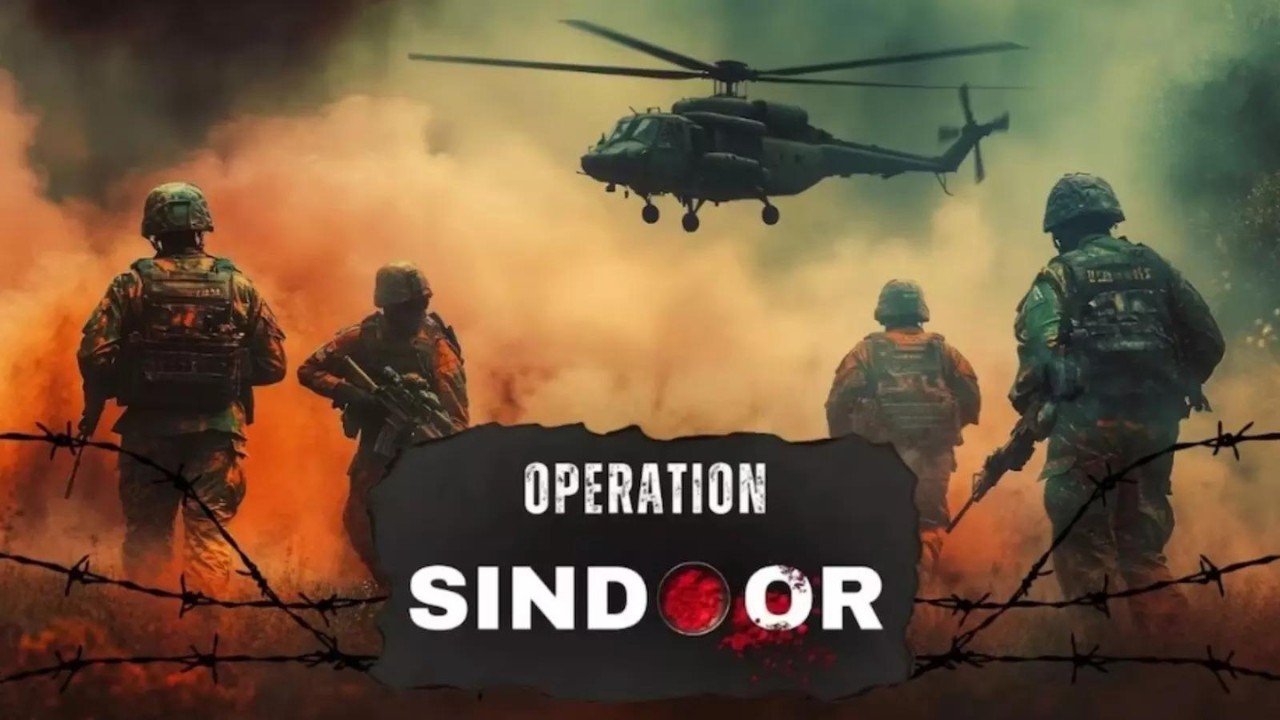

Pakistan Faces Heightened Geopolitical Tensions: Baloch Warnings of Chinese Military Presence Follow Indian Strikes
Islamabad/Quetta, January 8, 2026 – Pakistan is grappling with escalating geopolitical pressures as Baloch separatist leader Mir Yar Baloch issued a stark warning on January 2 about a potential Chinese military deployment in Balochistan province, coinciding with revelations of Islamabad's frantic diplomatic lobbying in the United States following India's recent military operation, Operation Sindoor.
The developments underscore deepening strains in South Asia's volatile security landscape. Balochistan, Pakistan's largest but least developed province, has long been a hotspot for insurgency, with separatist groups accusing Islamabad of resource exploitation. Mir Yar Baloch, a prominent voice in the Baloch resistance, highlighted growing China-Pakistan ties—particularly through the China-Pakistan Economic Corridor (CPEC)—as a catalyst for instability. He urged India to back Baloch forces, framing the prospective Chinese presence as a threat to regional balance. The warning, rated as medium severity by monitoring groups, comes amid persistent attacks on CPEC projects, including Chinese personnel and infrastructure.
Just days earlier, official documents revealed under the U.S. Foreign Agents Registration Act (FARA) exposed Pakistan's desperate behind-the-scenes efforts to counter India's Operation Sindoor. Launched as retaliation for a terror attack attributed to Pakistan-based militants, the Indian strikes prompted Islamabad to hire the lobbying firm Squire Patton Boggs. FARA filings detail over 60 contacts with U.S. officials, lawmakers, and media outlets between late December 2025 and early January 2026. The firm's mandate was explicit: secure American intervention to "somehow halt" New Delhi's operations, reflecting acute panic in Pakistani military and civilian leadership circles.
Pakistan's lobbying blitz targeted key figures in Washington, including members of Congress and State Department officials, emphasizing de-escalation and portraying India's actions as disproportionate. The disclosures, first reported by the Times of India, paint a picture of a rattled Islamabad seeking external mediation amid fears of further Indian incursions.
Context of Balochistan's Turmoil and CPEC
Balochistan's strategic importance cannot be overstated. Spanning over 44% of Pakistan's landmass, it hosts vital ports like Gwadar, central to CPEC—a flagship Belt and Road Initiative project valued at over $60 billion. Since its inception in 2013, CPEC has funneled Chinese investments into energy, infrastructure, and mining, but it has also fueled local grievances. Baloch nationalists claim the corridor marginalizes indigenous populations, displaces communities, and invites foreign dominance.
Insurgent groups like the Balochistan Liberation Army (BLA) have repeatedly targeted Chinese assets, including a 2018 attack on the Chinese consulate in Karachi and ambushes on convoys along the CPEC route. Beijing has responded by bolstering security for its citizens, with reports of up to 30,000 Chinese workers in Pakistan as of 2025. Mir Yar Baloch's January 2 statement escalates these concerns, warning that a formal Chinese military footprint—possibly including base access or joint patrols—could internationalize the conflict, drawing in India, which has historically supported Baloch self-determination rhetoric.
India-Pakistan relations provide critical backdrop. The nuclear-armed rivals have a history of cross-border skirmishes, exacerbated by militancy in Kashmir and Afghanistan. Operation Sindoor marks a bold escalation: Indian forces reportedly struck terror camps in Pakistan-administered Kashmir and Punjab, killing dozens, in response to an attack that claimed Indian lives. Pakistan denied involvement but condemned the strikes as aggression, vowing retaliation—a stance that prompted the U.S. outreach.
Diplomatic Fallout and Regional Implications
The FARA documents, spanning 15 pages, outline Squire Patton Boggs' activities from December 28 to January 6. The firm, a bipartisan powerhouse, arranged meetings and issued press statements framing Pakistan as a victim of Indian "overreach." One filing notes contacts with "senior U.S. officials" to advocate for ceasefire talks, amid reports of Pakistani jets scrambling and artillery exchanges along the Line of Control.
U.S. response has been muted publicly, with the State Department urging restraint from both sides. However, the lobbying underscores Pakistan's reliance on external powers amid internal fractures. China, Pakistan's "iron brother," has reaffirmed support post-Sindoor, with Foreign Minister Wang Yi calling strikes "unacceptable" on January 4.
Analysts note synergies between these events. Baloch unrest could complicate CPEC security, especially if Chinese forces deploy overtly, potentially alienating locals and inviting Indian covert aid to insurgents—a tactic New Delhi has neither confirmed nor denied.
Outlook Amid Uncertainty
As of January 8, no confirmation of Chinese troop movements in Balochistan has emerged, but satellite monitoring and local reports indicate heightened security around Gwadar. Pakistan's military has ramped up operations against Baloch militants, while diplomatic channels with India remain frozen.
The convergence of Indian military assertiveness, Baloch defiance, and superpower entanglements signals a precarious phase for Pakistan. With elections looming and economic woes persisting—exacerbated by CPEC debt—the government faces multifaceted threats. International observers call for dialogue, but history suggests escalation risks persist in this tinderbox region.
(Word count: 712)






