Pakistan Faces Geopolitical Crosscurrents: Baloch Warnings on Chinese Military Presence and Defense Minister's IMF Optimism

Latest from X
Pakistan Faces Geopolitical Crosscurrents: Baloch Warnings on Chinese Military Presence and Defense Minister's IMF Optimism
Islamabad/Quetta — Recent developments in Pakistan highlight intensifying geopolitical dynamics, with Baloch activist Mir Yar Baloch raising alarms over potential Chinese military deployments in Balochistan, while Defense Minister Khawaja Asif expressed confidence in surging aircraft orders that could reduce the country's reliance on International Monetary Fund (IMF) loans.
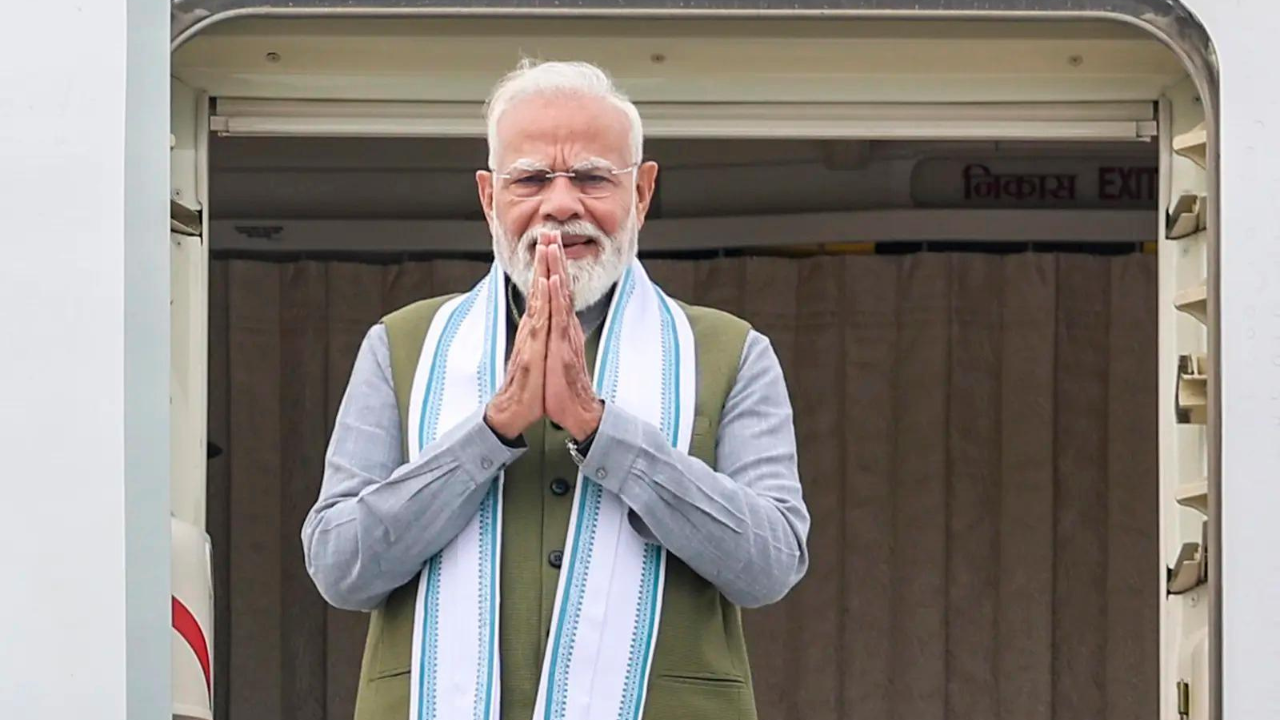
On January 2, 2026, Baloch leader Mir Yar Baloch issued warnings about a deepening China-Pakistan alliance, claiming that Beijing could station troops in Pakistan-occupied Balochistan within months. He described this as part of an escalating strategic partnership that threatens regional stability, particularly in the context of ongoing Baloch resistance against Pakistani control. Baloch urged India to take note of these risks and extend support to Baloch forces, framing the issue as a broader challenge involving powers like China, Pakistan, Turkey, and Iran. These statements, circulated widely on social media platforms like X, reflect growing sentiment among Baloch activists about foreign encroachments in the resource-rich province.
Balochistan, Pakistan's largest province by area, has long been a hotspot of separatist insurgency. Groups like the Balochistan Liberation Army (BLA) have targeted Chinese interests, including personnel and projects under the China-Pakistan Economic Corridor (CPEC), a flagship Belt and Road Initiative endeavor launched in 2015. CPEC infrastructure, such as the Gwadar port, aims to link China's Xinjiang region to the Arabian Sea, but it has fueled local grievances over resource exploitation, lack of development benefits, and demographic changes. Attacks on Chinese workers have intensified since 2021, prompting Beijing to enhance security measures, including private guards and joint patrols with Pakistani forces. While no official confirmation exists of imminent Chinese troop deployments, the warnings underscore fears of a more direct military footprint amid Pakistan's economic vulnerabilities and security challenges.
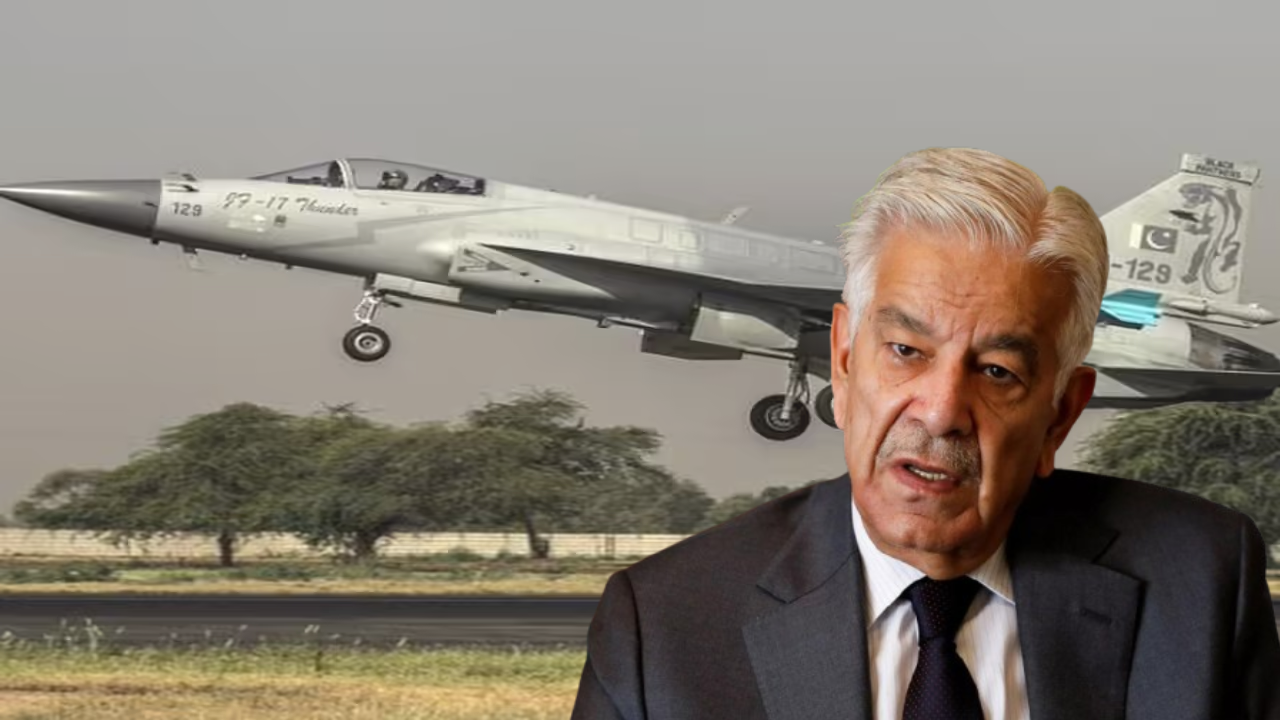
In a contrasting note of economic optimism, Pakistan's Defense Minister Khawaja Asif stated on January 8, 2026, that the country might not require further IMF loans within six months, attributing this to a surge in orders for JF-17 Thunder fighter jets. The JF-17, co-developed by Pakistan Aeronautical Complex and China's Chengdu Aircraft Corporation, represents a cornerstone of Pakistan's defense exports. Asif highlighted ongoing discussions with Bangladesh and Saudi Arabia for substantial deals, following a recent military standoff with India. "We are confident these orders will materialize," he said, linking the potential revenue boost—estimated in billions—to broader economic stabilization.
Pakistan has historically depended on IMF bailouts, with the latest $7 billion Extended Fund Facility approved in 2024 amid high inflation, debt servicing woes, and fiscal deficits exacerbated by floods and political instability. Defense exports, though modest at around $500 million annually in recent years, have grown, with the JF-17 marketed to nations seeking affordable multirole fighters. Saudi Arabia, a long-time patron, has previously expressed interest, while Bangladesh's overtures align with its military modernization efforts. This comes against the backdrop of Pakistan's strained relations with India, heightened by cross-border skirmishes and Kashmir disputes, and its pivot toward Gulf states and China for financial lifelines.
Background on China-Pakistan Ties and Regional Instability
The China-Pakistan axis, often termed an "all-weather friendship," has deepened since the 1960s, with annual trade exceeding $20 billion and military cooperation including joint exercises and arms sales. CPEC investments total over $62 billion, focusing on energy, transport, and special economic zones, primarily in Balochistan and Sindh. However, the corridor has drawn criticism from India, which views it as infringing on disputed territory in Gilgit-Baltistan, and from Western powers concerned about debt-trap diplomacy.
Balochistan's unrest traces to the 1948 accession to Pakistan, marked by demands for autonomy and accusations of marginalization. International attention has sporadically highlighted human rights issues, including enforced disappearances, though major powers prioritize strategic interests. Posts on X from Baloch voices, including calls for global humanitarian aid from bodies like the IMF and World Bank, illustrate persistent advocacy but remain inconclusive without verified institutional responses.
Outlook Amid Uncertainty
Asif's claims offer a potential bright spot for Pakistan's economy, which contracted by 0.2% in fiscal 2023 and relies on remittances and exports for forex reserves hovering near $10 billion. Successful jet deals could signal diversification beyond textiles and agriculture, bolstering the defense sector's 1.7% GDP contribution.
Yet, the Baloch warnings inject volatility. Any Chinese military escalation could inflame insurgencies, strain India-Pakistan ties, and complicate U.S. efforts to counterbalance China in the Indo-Pacific. With Pakistan's February 2024 elections still echoing in governance challenges, Islamabad must navigate these pressures. Official spokespersons have not commented on the deployment claims, emphasizing CPEC's civilian focus. Regional actors, including India, will likely monitor developments closely as 2026 unfolds.
(Word count: 712)
Track this story live
Live World Map
Monitor global events in real time with a live activity map and hotspot summaries.
Markets
Connect live events to Catalyst market signals across crypto, commodities, indices, and forex.
Geopolitical Risk
Live geopolitical risk index tracking conflict zones, sanctions, and global threat levels.
Original Sources
- •
Editorial process: This article was synthesized from the original sources cited above using The World Now's AI editorial system, with byline accountability from our editorial team. We grade every story for source grounding, factual coherence, and on-topic match before publication. Read more about our editorial standards and contributors. Spot something inaccurate? Let us know.
Last updated: January 18, 2026