
Over 300 families evacuate as Philippine volcano's lava deposits collapse
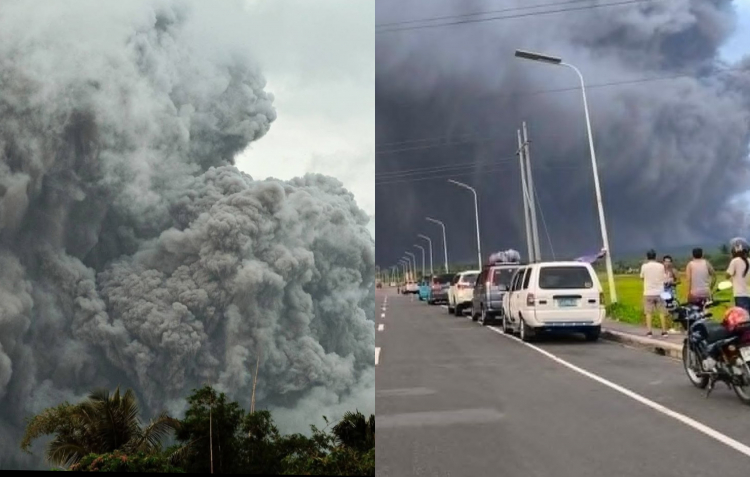
More than 300 families have been evacuated in the Philippines due to ashfall from the Mayon volcano following the collapse of lava deposits.[2][3] The collapse of lava deposits on Mayon volcano's southwestern slope resulted in a pyroclastic flow of hot rocks, ash, and gas.[3] Mayon volcano has been erupting mildly since January, with no explosive eruption reported in this incident.[3] Ashfall from the volcano blanketed nearby towns in total darkness, causing panic among residents.[3] The event occurred over the weekend and was reported by Philippine officials on Monday.[3]
Overview of the Incident
The recent incident at Mayon volcano in the Philippines has drawn significant attention due to its immediate impact on local communities, prompting swift evacuations and heightening concerns over volcanic activity in the region.[1][2][3] Over the weekend, massive amounts of ash billowed from the volcano, leading to more than 300 families being evacuated as a precautionary measure.[2][3] This ashfall was triggered by the sudden collapse of lava deposits on the volcano's slopes, an event that unfolded before nightfall on Saturday.[3] Philippine officials confirmed the details on Monday, emphasizing the scale of the response to protect residents from the hazards posed by the ash and associated flows.[3]
The collapse itself was unexpected, catching communities off guard and resulting in scenes of panic as ash blanketed nearby towns, plunging them into total darkness.[1][3] Reports from the ground described hundreds of households fleeing the area, underscoring the rapid escalation from a seemingly stable situation to one requiring mass displacement.[1][2] This volcano Philippines event highlights the ongoing risks associated with active stratovolcanoes like Mayon, known for their potential for sudden changes in behavior despite periods of mild activity.[3] The evacuations were carried out efficiently, preventing any reported injuries or fatalities, though the psychological toll on residents was evident in accounts of widespread panic.[3]
In summarizing the key events, the sequence began with the instability of lava deposits accumulated from prior mild eruptions, leading to their cascading failure.[3] This generated a pyroclastic flow that propelled ash high into the atmosphere, which then dispersed over populated areas.[3] Officials from the Philippine Institute of Volcanology and Seismology (PHIVOLCS), through spokespersons like Teresito, provided critical updates that informed the evacuation decisions.[3] The incident serves as a stark reminder of the volcano's proximity to settlements, with permanent danger zones already established around its base to mitigate such risks.[3] Coverage from various outlets captured the urgency, with headlines focusing on the lava collapse and the flight of hundreds of families.[1][2] This overview encapsulates how a non-explosive event can still necessitate large-scale interventions, reflecting the proactive stance of authorities in managing volcanic threats.[1][2][3]
Details of Volcanic Activity
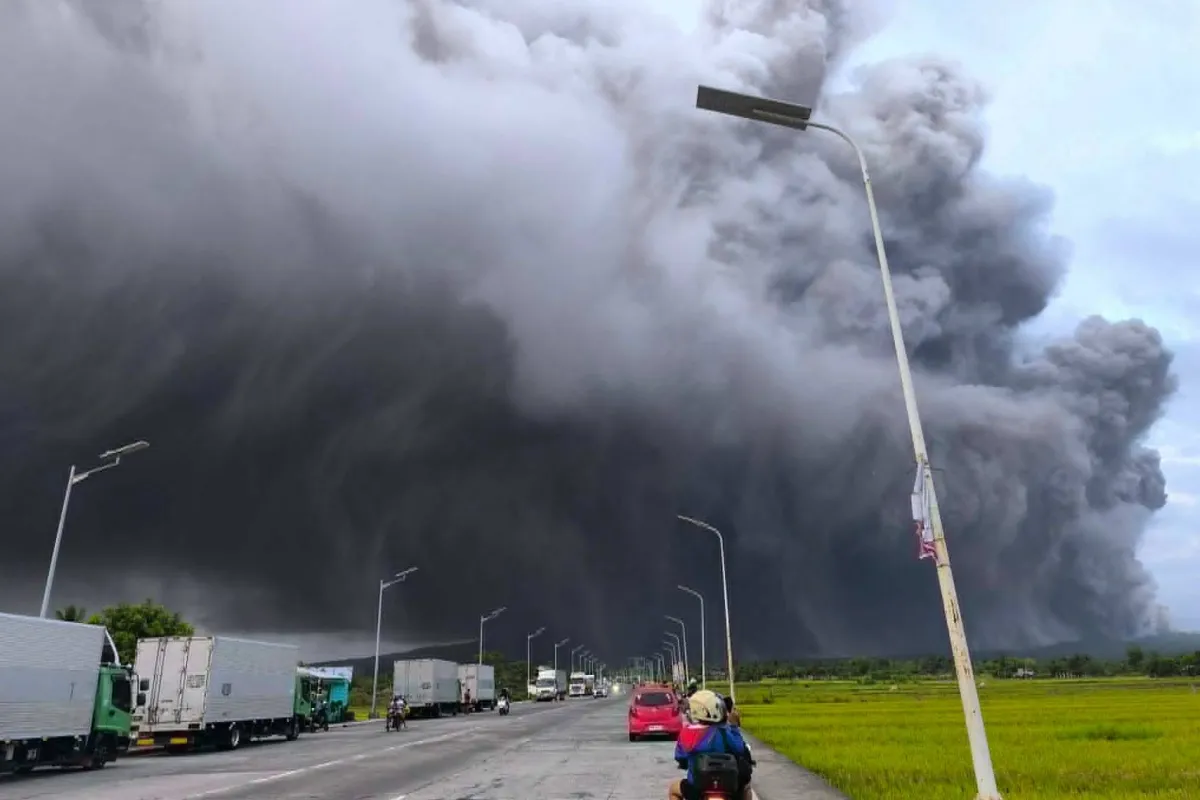
More than 300 families evacuate due to ashfall from Mayon volcano in the Philippines. — Source: gdelt
The core of this volcano Philippines incident revolves around the collapse of lava deposits on Mayon volcano's southwestern slope, which initiated a pyroclastic flow characterized by an avalanche of hot rocks, ash, and gas.[3] This event occurred before nightfall on Saturday, marking a significant development in the volcano's recent behavior without involving an explosive eruption.[3] The lava deposits had built up over time from the ongoing mild eruptions, creating an unstable mass that suddenly gave way under its own weight or due to internal pressures.[3]
Pyroclastic flows, as described in official reports, are fast-moving currents of superheated material that pose severe dangers due to their speed, heat, and volume.[3] In this case, the flow from the southwestern slope propelled ash and debris outward, contributing directly to the heavy ashfall experienced in surrounding areas.[3] Unlike a full-scale eruption, this collapse was a gravitational failure of accumulated material, yet it mimicked some effects of more violent activity by generating widespread ash dispersion.[3] The absence of an explosive phase was a key distinction noted by experts, indicating that the volcano's magma system remained at a low-pressure state during the incident.[3]
Detailed analysis from Philippine officials underscores that such collapses are not uncommon in volcanoes with persistent lava dome growth or flows, as seen in Mayon's activity pattern.[3] The southwestern slope's involvement suggests localized instability, possibly exacerbated by the volcano's near-perfect cone shape, which can channel materials in specific directions.[3] Monitoring data likely played a role in early detection, though the sudden nature of the collapse—described as "bất ngờ đổ sụp" or sudden collapse in some reports—emphasized the challenges in precise prediction.[1][3] This pyroclastic flow's reach extended far enough to affect towns, blanketing them in ash and demonstrating the flow's dispersive power.[3] The event's timing over the weekend amplified logistical challenges for response teams, yet it remained contained within established hazard zones.[3]
Evacuation and Affected Areas
More than 300 families were evacuated in response to the ashfall and associated risks from the Mayon volcano incident, with operations focusing on communities nearest the southwestern slope.[2][3] The ash blanketed nearby towns, creating total darkness and sparking panic among residents who fled their homes en masse.[3] Hundreds of households, as noted in initial reports, were directly impacted, leading to organized relocations to safer areas.[1][2]
The scale of evacuations reflects the severity of the ashfall's effects, which not only reduced visibility to zero but also posed health risks from inhalation and potential roof collapses under the weight of accumulated ash.[3] Philippine officials prioritized low-lying villages and those in the path of potential flows, ensuring that over 300 families—potentially numbering over a thousand individuals—were moved promptly.[2][3] Affected areas experienced a dramatic transformation, with descriptions of towns shrouded in darkness evoking comparisons to nighttime despite daylight hours.[3]
Local communities bore the brunt of the panic, with residents reporting sudden ash clouds that forced immediate evacuations.[1][3] The response involved coordination between national agencies and local governments, setting up temporary shelters and distributing essentials like masks and food.[3] While no injuries were reported from the collapse itself, the psychological impact was profound, as families grappled with the uncertainty of returning home amid ongoing ash risks.[3] This evacuation effort aligns with standard protocols for Mayon, where buffer zones are regularly enforced, but the weekend timing tested rapid deployment capabilities.[2][3] Coverage highlighted the human element, with phrases like "hàng trăm hộ dân tháo chạy" capturing the urgency of hundreds fleeing.[1]
Current Status of the Volcano
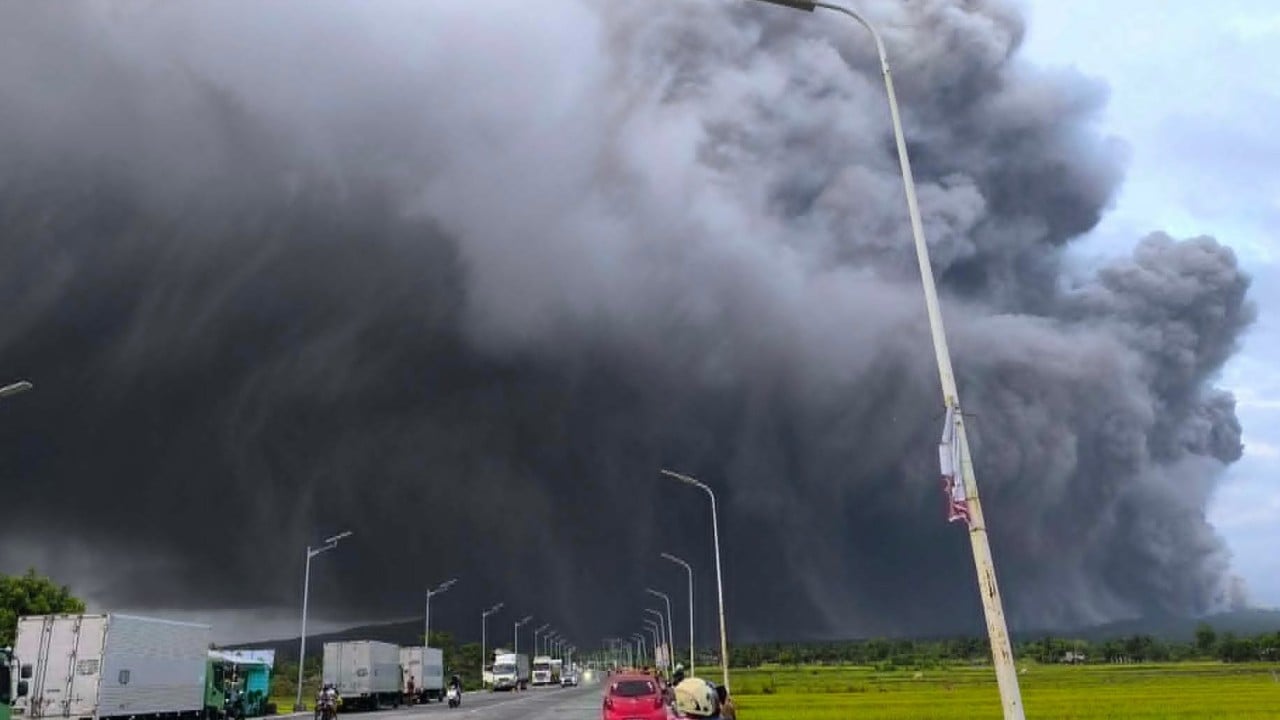
Ashfall from Mayon volcano blankets Philippine towns in darkness. — Source: scmp
Mayon volcano has been erupting mildly on and off since January, maintaining a state of elevated unrest without progressing to explosive phases as of the latest reports.[3] The recent collapse did not signal a shift to more violent activity, with officials confirming no explosive eruption occurred during the incident.[3] This ongoing mild activity involves intermittent lava effusion and gas emissions, contributing to the buildup of deposits that eventually collapsed.[3]
The volcano's current status is monitored closely by PHIVOLCS, with alert levels adjusted based on seismic, gas, and deformation data.[3] Since January, Mayon has exhibited characteristics typical of dome-building eruptions, where lava accumulates rather than ejecting forcefully.[3] The southwestern slope's lava deposits were a product of this phase, growing unstable over time until their failure triggered the pyroclastic flow.[3] As of Monday's updates, the volcano remains in a state of mild eruption, with potential for further collapses if deposits continue to form.[3]
This persistent activity necessitates sustained vigilance, as even non-explosive events like the recent one can generate hazardous secondary effects such as ashfall and flows.[3] Historical context for Mayon includes similar episodes, reinforcing the pattern of gradual unrest punctuated by collapses.[3] Philippine officials have emphasized that while the immediate threat from the Saturday event has subsided, the volcano's behavior since January warrants continued restrictions in danger zones.[3]
Official Responses
Philippine officials responded decisively to the Mayon volcano incident, with statements issued on Monday detailing the collapse and evacuations.[3] Spokespersons like Teresito from PHIVOLCS provided clarity on the pyroclastic flow's nature and confirmed the absence of an explosive eruption.[3] These updates reassured the public while outlining ongoing monitoring efforts.[3]
Actions included directing the evacuation of more than 300 families and advising residents to stay within safe distances from the volcano.[2][3] Officials highlighted the mild eruptive state since January, urging preparedness for potential repeat events.[3] Response measures encompassed ashfall advisories, distribution of protective gear, and reinforcement of permanent danger zones.[3] The coordinated effort prevented casualties and demonstrated effective crisis management.[3]
What to watch next
Authorities continue to monitor Mayon for signs of further lava deposit instability or changes in its mild eruptive activity since January, with potential for additional pyroclastic flows or ashfall prompting sustained evacuations if risks escalate.[3]