
Opposition Protests Intensify in India: Mamata Leads Rally Against ED in West Bengal, AAP Mobilizes in Punjab
Kolkata/Punjab, January 10, 2026 – Political tensions in India have escalated with back-to-back protests by opposition leaders, highlighting accusations of central government overreach and misinformation campaigns. On Friday, West Bengal Chief Minister Mamata Banerjee spearheaded a significant demonstration against the Enforcement Directorate (ED), while the Aam Aadmi Party (AAP) organized statewide rallies in Punjab on Saturday over a purportedly doctored video involving senior leader Atishi.
In West Bengal, the unrest reached a medium severity level as Banerjee, leader of the Trinamool Congress (TMC), accused the central government of misusing federal agencies like the ED to target opposition figures ahead of upcoming elections. The protest, which began on January 9 at 13:39 GMT, drew large crowds in Kolkata and other parts of the state, amplifying longstanding grievances over investigative agencies' roles in political battles. Banerjee's rally underscored claims that the Centre, led by the Bharatiya Janata Party (BJP), is deploying the ED as a tool for electoral interference, a charge frequently leveled by regional opposition parties.
The Enforcement Directorate, an agency under the Union Finance Ministry responsible for probing money laundering and economic offenses, has been at the center of such controversies. Opposition leaders, including Banerjee, have repeatedly alleged selective targeting, particularly in states governed by non-BJP parties. This latest protest follows a pattern of ED summons and raids against TMC functionaries, including cases linked to alleged coal smuggling and cattle trade scams in West Bengal. While the TMC frames these actions as vendettas, central authorities maintain they are routine enforcement of financial laws.
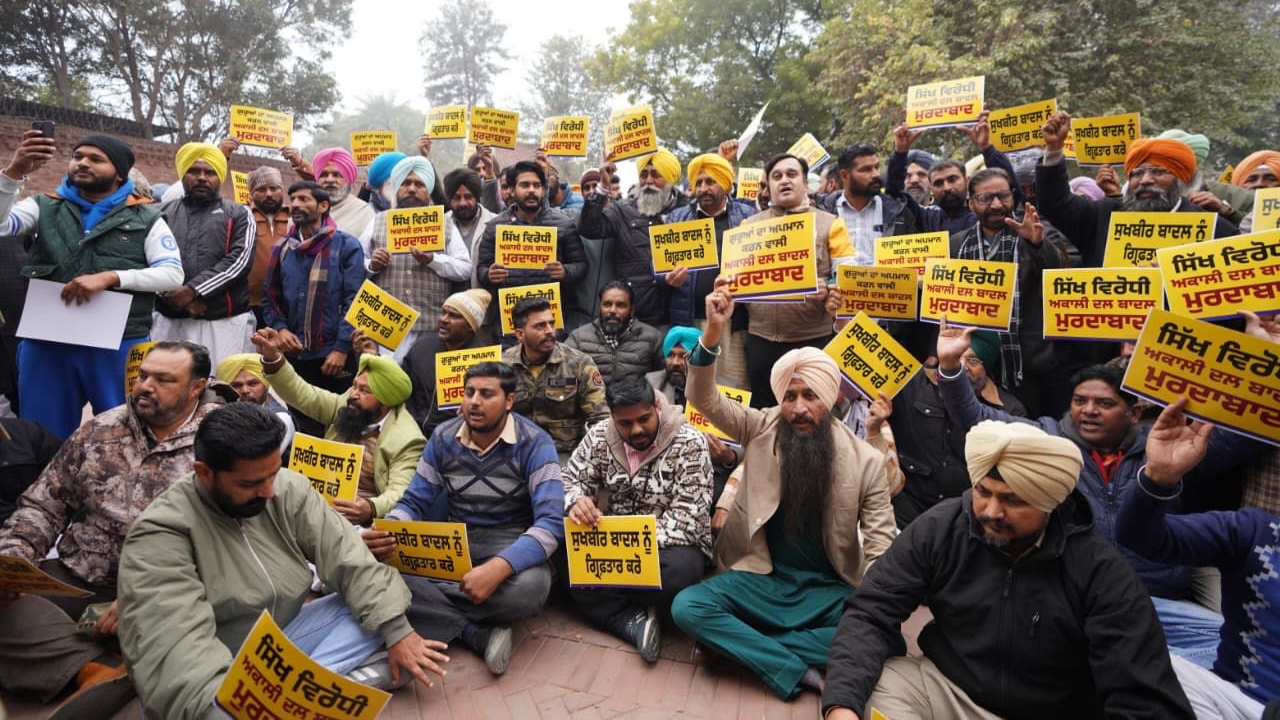
Shifting focus northward, AAP activists took to the streets across Punjab in coordinated statewide protests on January 10, protesting the circulation of what the party described as a "doctored" video featuring Delhi Minister Atishi. According to reports from The Times of India, the demonstrations were a direct response to the video's spread, which AAP claims was manipulated to discredit its leadership. Punjab Chief Minister Bhagwant Mann's party, which governs the state, mobilized supporters to denounce the incident as a smear campaign amid intensifying political rivalries.
Atishi, a prominent AAP figure and Delhi's Water Minister, has been a vocal critic of the BJP-led central government. The video's content was not detailed in initial reports, but AAP leaders alleged it was fabricated to undermine the party's credibility ahead of potential electoral challenges. Protests occurred in multiple districts, reflecting AAP's strong organizational base in Punjab, where it secured a landslide victory in the 2022 assembly elections.
These events occur against a backdrop of heightened political polarization in India. The ED has conducted numerous probes into opposition politicians since 2014, including high-profile cases against leaders from TMC, AAP, and others. Data from government records indicate over 5,000 ED cases registered in the past decade, with a significant portion involving political figures. Critics, including human rights groups, have raised concerns about the agency's autonomy, while supporters argue it has recovered billions in assets from illicit activities.
In West Bengal, Banerjee's TMC holds power since 2011, fending off BJP advances in the 2021 state elections despite aggressive campaigning. Punjab's AAP government, in office since 2022, has navigated farmer protests and internal party frictions, positioning itself as an anti-corruption alternative. Both states represent key battlegrounds in India's federal democracy, where regional satraps challenge the BJP's national dominance.
No major violence was reported in either protest, though authorities deployed police to maintain order. The TMC rally in Kolkata saw road blockades and slogan-shouting crowds, while Punjab's AAP events remained largely peaceful with party workers holding placards and marches.
As these demonstrations unfold, they signal deepening rifts between state governments and the Centre. With national discourse increasingly focused on agency impartiality and digital misinformation—especially after India's 2024 general elections where social media played a pivotal role—analysts anticipate further mobilizations. The ED has not issued an immediate response to Banerjee's accusations, and AAP has urged investigations into the video's origins.
India's civil unrest tracker classifies the West Bengal event at medium severity, reflecting its potential to disrupt local governance without widespread chaos. Political observers note that such protests often energize opposition bases but risk alienating moderates if perceived as obstructive.
In summary, these protests by Mamata Banerjee and AAP underscore a broader narrative of opposition resistance to perceived central encroachments. As India approaches key state polls, including West Bengal's assembly elections later in 2026, such events could shape voter sentiments and intensify scrutiny on federal institutions.
(Word count: 612)