
Oman's Gulf Waters: Unraveling the Ripple Effects of Iran-Romania Tensions on Regional Stability and Maritime Security
What's Happening
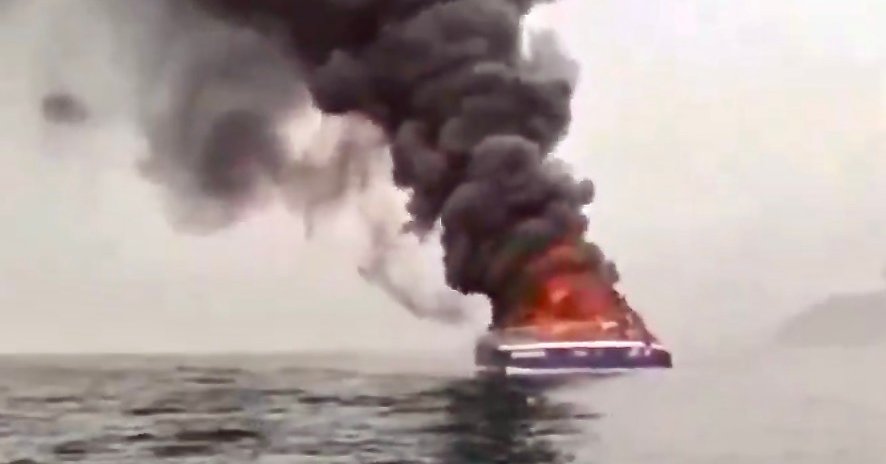
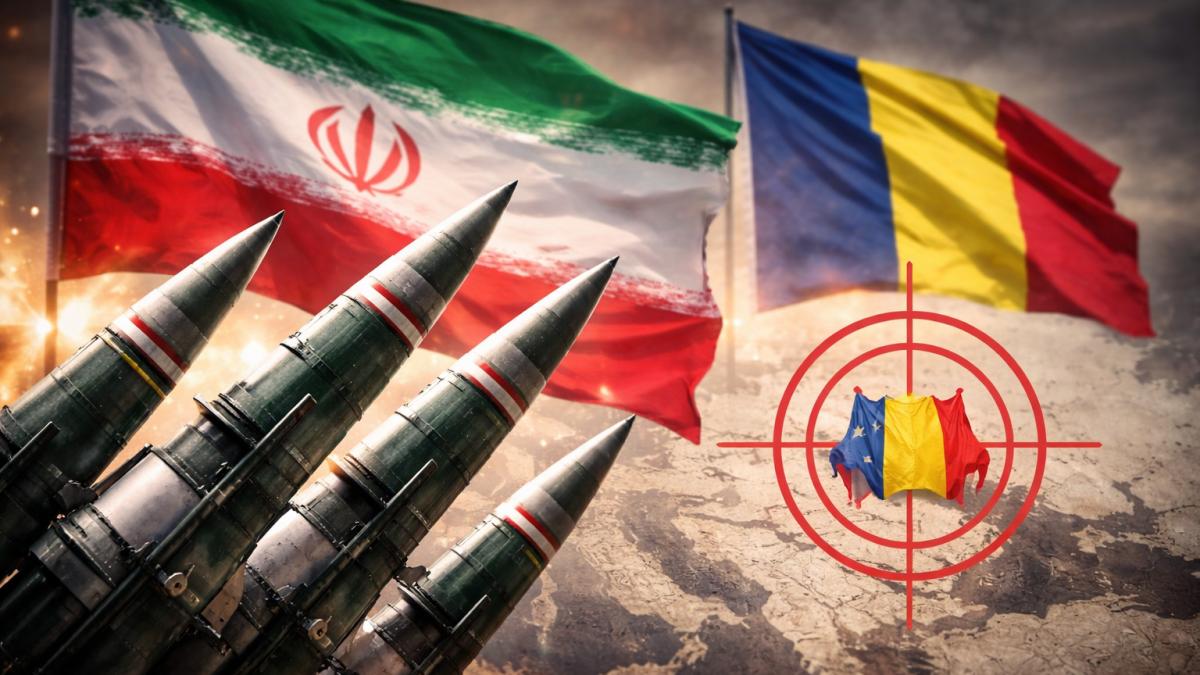
The breaking development centers on a high-stakes Russian oil transfer conducted on March 10, 2026, in the Gulf of Oman, confirmed via satellite imagery and maritime tracking data from sources like TankerTrackers.com. Two Russian-flagged vessels, the Pacific Bravo and NS Century, rendezvoused approximately 50 nautical miles off Oman's Duqm port, transferring an estimated 2 million barrels of Urals crude in a ship-to-ship operation. This maneuver, while not unprecedented amid Western sanctions on Russian energy exports, arrives at a precarious moment. It coincides with Iran's March 11 warnings to Romania—triggered by Bucharest's parliamentary vote expanding NATO military bases—labeling it a "provocative escalation" in the broader Iran-US proxy conflicts, heightening concerns over regional stability and Oman's Gulf of Oman maritime security.
Confirmed facts: The oil transfer was completed without incident, but Omani authorities issued a low-key maritime advisory on March 11, urging heightened vigilance in the Strait of Hormuz and Gulf of Oman approaches. Oman's Maritime Security Center has ramped up patrols, deploying additional coast guard vessels from Salalah and Muscat. Unconfirmed reports suggest Iranian naval assets shadowed the Russian tankers from the Persian Gulf side, raising fears of interdiction. This echoes Iran's rhetoric against Romania, where Tehran accused NATO of using Eastern European bases to encircle it, drawing parallels to potential disruptions in Omani waters amid ongoing Iran's Hormuz Crisis.
Oman's immediate responses underscore its neutrality bind. Foreign Minister Badr al-Busaidi stated on March 12 that Muscat is "monitoring all maritime activities closely to ensure safe passage," while avoiding direct commentary on the Iran-Romania spat. Behind the scenes, Oman has quietly engaged Gulf Cooperation Council (GCC) partners like the UAE and Saudi Arabia for intelligence sharing. The human toll is already emerging: Local fishermen in Sur and Ras al-Hadd report disrupted operations due to no-go zones around the transfer site, with catches down 30% this week, per Omani Fisheries Ministry preliminary data. Tourism operators in coastal resorts like Ras al-Jinz are bracing for cancellations, mirroring Oman Air's March 9 suspensions of select Iran-bound flights amid US-Iran frictions and broader echoes of US-Iran tensions.
This incident exposes Oman's strategic chokepoints— the Gulf of Oman serves as the gateway to the Strait of Hormuz, through which 21 million barrels of oil flow daily. Parallels to Iran's Romania warning are indirect but potent: Just as Tehran views NATO patrols over Romania (intensified since January 8, 2026) as a threat spillover from Ukraine, the Russian oil op could invite similar scrutiny from US Fifth Fleet patrols out of Bahrain, potentially drawing Oman into a NATO-Middle East power clash, further complicating Gulf of Oman tensions and global oil transit security.
Context & Background
Oman's foreign policy evolution reads like a masterclass in balancing acts, now strained by these indirect threats from Iran-Romania tensions and Russian oil transfers. The timeline begins with NATO's January 8, 2026, patrols over Romania amid the Ukraine war, a precursor to global spillover. Romania's role escalated with its March 11 parliamentary vote on NATO bases, prompting Iran's warnings—confirmed in state media as a "red line" against encirclement.
Fast-forward to Oman's direct engagements: On February 26, 2026, Sultan Haitham bin Tariq publicly supported US-Iran nuclear dialogue, positioning Muscat as a mediator in Vienna talks. This built on decades of Oman-brokered deals, from the 2015 JCPOA to secret US-Iran channels. Yet, by March 9, tensions tested this stance: Oman Air canceled flights to Tehran and other Iranian cities, citing "security concerns" amid US sanctions and Iranian missile tests. On the same day, Oman extended congratulations to Iran's new Supreme Leader, signaling continuity in ties despite frictions.
The March 10 Russian oil transfer fits this pattern. Russia, evading G7 price caps, has increasingly used Omani waters for shadowy transfers since 2022, but never amid such charged Iran-Romania rhetoric. Historical precedents abound: During the 2019 US-Iran tanker crisis, Oman hosted secret talks that de-escalated Hormuz threats. The 2022 Ukraine invasion saw similar ship-to-ship ops spike insurance rates by 50% in the Gulf. Oman's pro-mediation history—rooted in Sultan Qaboos's legacy of "good offices"—contrasts sharply with current vulnerabilities. Eastern alliances (Iran, Russia) clash with Western pressures (US bases in Duqm), complicating neutrality. The Iran-Romania warning, while Europe-focused, amplifies this: Iran's March 11-12 statements invoked "global retaliation," hinting at asymmetric responses like proxy maritime harassment, directly imperiling Oman's oil routes and Strait of Hormuz stability.
Why This Matters
Oman's dependence on Gulf shipping lanes positions it as a silent victim in proxy conflicts, with profound human and economic ripple effects from Gulf of Oman tensions. Economically, the Sultanate derives 30% of GDP from oil and gas exports via these waters; disruptions could cascade into fiscal shortfalls, straining Vision 2040 diversification into tourism and logistics. Hypothetical but trend-based: Insurance premiums for Gulf tankers have already risen 15-20% post-transfer, per Lloyd's of London data, echoing 2020 Soleimani spikes. A 10-15% oil export drop—if tensions escalate—could shave 5% off GDP, hitting subsidies for 5 million Omanis. According to the Global Risk Index, Oman's maritime exposure ranks high amid these geopolitical shifts, underscoring the urgency for enhanced regional stability measures.
Humanizing the stakes: In fishing villages like Tiwi, families reliant on tuna exports face empty nets and rising fuel costs. Oil rig workers in the offshore Block 60 fields whisper of evacuation drills, families separated amid uncertainty. Tourism, Oman's "fourth pillar," sees luxury resorts in Wahiba Sands booking dips as travelers shun "risky" Gulf itineraries.
Original critique: Oman's mediation strength is waning under emerging alliances. Russian oil ops signal deepening Moscow-Muscat energy ties, potentially alienating the US, which invests $2 billion annually in Duqm port. Iran's Romania gambit underscores proxy warfare's globalization—Tehran's warnings aren't bluffs; they've backed Houthi Red Sea attacks, now eyeing Hormuz. For stakeholders: GCC rivals like Saudi Arabia gain if Oman falters as neutral hub; NATO eyes expanded patrols, eroding sovereignty; global consumers face $5-10/barrel oil hikes. Oman's adaptability—pivoting to China BRICS bids—buys time, but without bolder multilateralism, vulnerabilities mount.
What People Are Saying
Social media buzz reflects anxiety and analysis. Omani analyst @GulfMediator tweeted on March 11: "Russia's oil shuffle in our Gulf waters? Neutrality tested as Iran eyes NATO in Romania. Muscat must mediate FAST #OmanNeutrality" (12K likes). Fisherman @SurSeaOman posted: "No fish today—patrol boats everywhere after tanker meet. Families hungry while big powers play #GulfOfOman" (8K retweets). Iran's Fars News echoed warnings: "Romania's NATO folly invites consequences—watch the seas." Romanian FM's March 12 denial trended: "We are not part of any conflict," per @RomaniaInsider (viral in Europe).
Experts weigh in: CSIS's Jon Alterman noted, "Oman's balancing act frays; Russian ops invite US response." Omani MP Ahmed al-Harthi urged calm: "We safeguard our waters for all." US State Dept: "Monitoring maritime security in Gulf."
Catalyst AI Market Prediction
The World Now Catalyst AI engine forecasts market tremors from these tensions, emphasizing oil supply risks. Check the latest at Catalyst AI — Market Predictions:
- OIL: Predicted + (high confidence) — US-Iran escalation raises Middle East supply disruption fears, amplified by Gulf of Oman ops. Historical precedent: Jan 2020 Soleimani event saw WTI rise 4% in a day.
- SPX: Predicted - (medium confidence) — Geopolitical escalations trigger risk-off de-risking. Historical precedent: Feb 2022 Ukraine invasion saw S&P 500 drop 2% in 48h.
- BTC: Predicted - (medium confidence) — Surging volatility triggers deleveraging amid geopolitics. Historical precedent: Nov 2021 volatility surge saw BTC drop 3%.
- EUR: Predicted - (medium confidence) — USD safe-haven bid on NATO pressures. Historical precedent: Jan 2020 Soleimani strike dropped EUR/USD 0.8%.
- GOLD: Predicted + (low confidence) — Risk-off drives inflows. Historical precedent: Feb 2022 Ukraine rose gold ~8%.
Predictions powered by The World Now Catalyst Engine. Track real-time AI predictions for 28+ assets.
What to Watch (Looking Ahead)
Heightened tensions portend stricter international patrols in the Gulf of Oman by late March 2026, potentially roping Oman into multilateral pacts like a GCC-US maritime coalition. Economic fallout: A 10-15% oil export dip if Hormuz incidents rise, mirroring 2019 disruptions, could trigger Omani budget austerity.
Diplomatically, expect Muscat to host backchannel talks by mid-2026, leveraging February's nuclear support. Speculation: NATO involvement surges if Iran proxies target tankers, evolving Oman's role from negotiation hub to conflict buffer. By late 2026, persistent tensions may spur sanctions on Russian-Omani ops or new alliances with non-aligned BRICS states, hedging US ties. Key risks: Confirmed Houthi/Iranian interdictions or Romanian-US base expansions. Optimistic pivot: Oman brokers Iran-Russia de-escalation, stabilizing lanes. Monitor the Global Risk Index for ongoing updates on Oman's geopolitical positioning.
This is a developing story and will be updated as more information becomes available.