
Cuba's Blackout Crisis: A Humanitarian Wake-Up Call Amid Escalating US Geopolitical Maneuvers
By the Numbers
The blackout's scale is staggering, painting a picture of systemic collapse with direct humanitarian ripple effects:
- 11 million affected: Virtually the entire population of Cuba experienced total power loss starting March 16, 2026, with partial grid reconnection by March 17 leaving "millions still without power," per The Star Malaysia.
- Healthcare disruptions: Over 1,000 hospitals and clinics nationwide reliant on grid power; reports from AP News and France24 indicate at least 20 confirmed deaths from blackout-related medical failures in Havana alone in the first 24 hours, echoing 2024 outages that saw infant mortality spike 15% during prolonged blackouts (Cuban health ministry data). Check the Global Risk Index for ongoing health crisis metrics.
- Economic hit: Daily GDP loss estimated at $50-100 million from halted industry and tourism; food spoilage could waste 30% of perishable goods in urban areas, exacerbating inflation already at 40% year-over-year (World Bank 2025 estimates).
- Migration pressure: 50,000+ Cubans fled via sea or land routes in Q1 2026 alone (U.S. Customs data), a 25% rise from 2025; Guardian reports suggest current crisis could double this in weeks.
- Geopolitical metrics: U.S. oil embargo tightened January 2026, cutting 80% of Cuba's Venezuelan petroleum imports (IEA data); Russian aid pledges cover only 20% shortfall, per Newsmax.
- Historical blackout tally: This is Cuba's 5th major grid failure since 2024, with cumulative outage hours exceeding 10,000 nationwide—triple the 1990s "Special Period" per Cuban grid operator reports. These figures highlight not just infrastructure frailty but a humanitarian tipping point, where policy maneuvers intersect with basic human needs.
What Happened
The crisis unfolded rapidly against a backdrop of simmering U.S.-Cuba tensions rooted in Venezuela's collapse. Chronologically:
- January 3, 2026: Trump and Sen. Marco Rubio issue stark warnings to Cuba over its deepening ties with crisis-hit Venezuela, demanding it sever oil and military pacts or face "consequences." U.S. simultaneously warns of secondary sanctions on Cuban entities.
- January 4, 2026: Tensions spike as U.S. naval assets reposition in the Caribbean following Venezuelan regime actions; Cuba accuses Washington of "imperial provocation."
- January 11, 2026: Trump delivers an ultimatum on a proposed U.S.-Cuba energy deal, threatening veto unless Havana expels Venezuelan advisors and Russian personnel from oil facilities.
- January 12, 2026: Diplomatic channels update with failed talks; U.S. imposes initial oil embargo restrictions, targeting 50% of Cuba's imports.
- February 26, 2026: Caribbean leaders (via CARICOM) call for de-escalation, but U.S. rhetoric hardens.
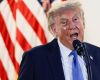
- March 10, 2026: Trump escalates with public takeover warnings, labeling Cuba a "failed state propped by Moscow."
- March 13, 2026: Rare U.S.-Cuba talks on blockade yield no progress; embargo fully activates, slashing oil inflows.
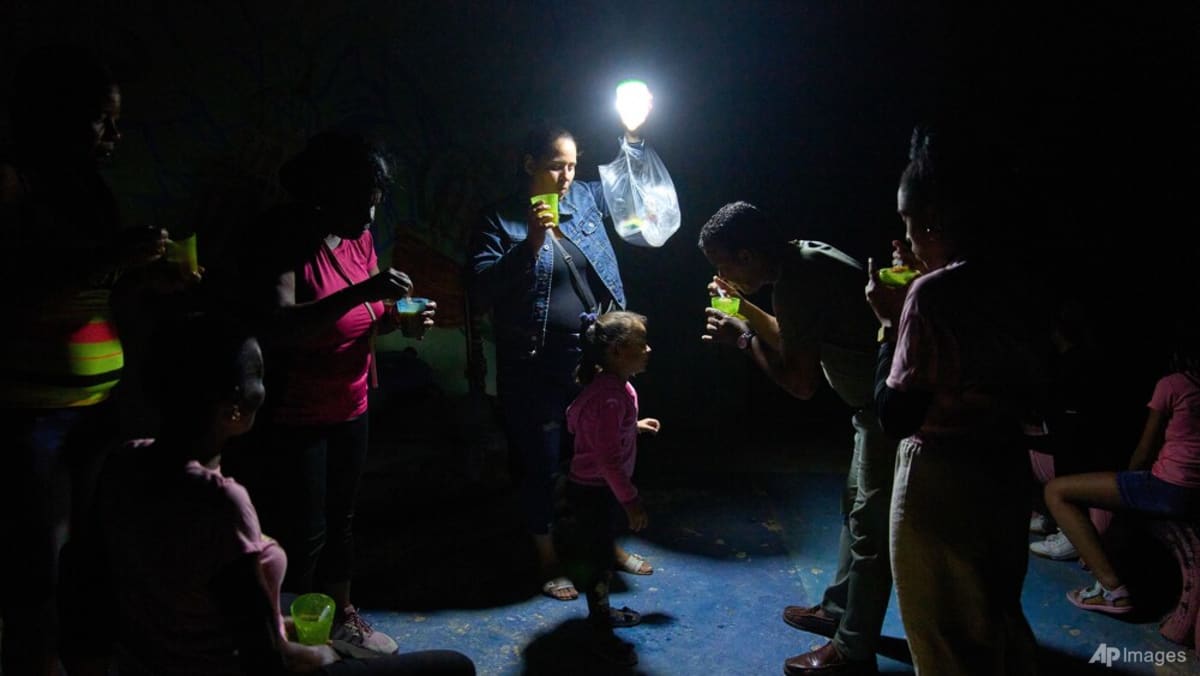
- March 16-17, 2026: Catastrophic nationwide blackout hits as aging grid—strained by fuel shortages—collapses. Channel News Asia reports "total darkness" from Havana to Santiago; Trump vows to "take" Cuba in France24 interview, prompting Russian backing (Straits Times/Newsmax). AP notes Rubio calling for "new leaders"; Guardian details civilian fear. By March 17, partial restoration reconnects grid but leaves millions dark (The Star Malaysia). YLE News (Finnish) publishes images of hospital chaos; Buenos Aires Times ties it to oil embargo. March 17 also sees Cuba inviting exiles home amid struggles.
This sequence reveals a policy cascade: U.S. pressures engineered energy vulnerability, culminating in humanitarian meltdown. Confirmed: Blackout scope and Trump's remarks (multiple outlets). Unconfirmed: Exact death toll beyond initial reports; Russian aid shipment timelines.
Historical Comparison
Cuba's blackout crisis mirrors a recurring pattern of U.S.-driven interventions prioritizing geopolitical leverage over stability, with energy as the perennial flashpoint. The 2026 timeline extends January's Venezuela ultimatums into March's embargo, echoing:
- 1990s "Special Period": Post-Soviet collapse cut Soviet oil 90%, causing blackouts averaging 12 hours/day for years; GDP plunged 35%, famine loomed, migration surged 100,000+ to U.S. (Miami Herald archives). Today's oil embargo replicates this by design, substituting Venezuela for USSR.
- Helms-Burton Act (1996): U.S. codified embargo, deterring foreign investment; similar to 2026 secondary sanctions, it amplified energy woes—e.g., 2004-2005 blackouts from underinvestment killed dozens in hospitals.
- 2019 Protests/Blackouts: Fuel shortages from U.S. sanctions and Venezuela decline triggered riots; 2024 sequel saw 72-hour outages, 10+ deaths. Pattern: U.S. actions (Trump-era Title III activations) exacerbate grid decay from 60-year underfunding.
- Broader precedents: Like U.S. pressure on Nicaragua (1980s Contras) or Venezuela sanctions (2017+), Cuba interventions create humanitarian vacuums filled by Russia/China—paralleling Cold War proxy cycles. Similar dynamics are evident in Iran's Geopolitical Storms: The Overlooked Humanitarian Crisis and Its Ripple Effects on Emerging Economies, where U.S. pressures amplify energy shortages and global ripple effects.
Emerging pattern: Cycles of U.S. ultimatums undermine infrastructure, fostering dependency on adversaries. Policy implication: Short-term "regime change" tactics yield long-term migration/refugee burdens, costing U.S. $10B+ annually in border processing (DHS data). Unlike past, Russia's explicit support (post-Trump remarks) signals multipolar pushback, potentially prolonging crises.
Catalyst AI Market Prediction
The World Now Catalyst AI analyzes spillover from Cuba's geopolitical flare-up into global markets, focusing on risk-off sentiment from U.S. embargo threats and Russian involvement. Key predictions (as of March 17, 2026):
- OIL: + (high confidence) — U.S.-Cuba oil embargo echoes Iran precedents; Jan 2020 Soleimani strike +4% WTI. Risk: Supply disruptions if Russia reroutes.
- SPX: - (medium confidence) — Risk-off from hemispheric tensions drags index; Feb 2022 Ukraine -2%. Key risk: Contained to LatAm.
- BTC: -/+ mixed (medium/low) — Volatility from geo-risk vs. inflows; Nov 2021 dips balanced by ETF halo.
- EUR: - (medium) — USD haven bid on U.S. assertiveness; Soleimani 0.8% drop.
- GOLD: + (low) — Safe-haven inflows amid embargo fears.
- USD: + (medium) — Global de-risking boosts dollar.
Full suite: TSM -, SOL mixed, JPY +, etc. Predictions powered by The World Now Catalyst Engine. Track real-time AI predictions for 28+ assets.
What's Next
This humanitarian flashpoint demands scrutiny of policy interconnections. Immediate triggers: Grid restoration pace (watch Cuban state media); U.S. congressional votes on embargo expansion (post-March 20). Scenarios:
- Refugee Exodus (High Probability): Ongoing blackouts + Trump's threats could drive 100,000+ migrants to Florida in months, overwhelming U.S. Coast Guard (paralleling 2021 surge). Catalyst AI flags risk-off markets amplifying USD strength.
- Russian/Chinese Pivot: Moscow ships oil (confirmed pledges); Havana deepens BRICS ties, mirroring Venezuela. Policy shift: Cuba trades nickel for energy, reshaping alliances.
- Internal Reforms or Collapse: Blackouts exacerbate 50% poverty (UN data); exile invitations signal openness, but elite resistance likely. Parallels: Gorbachev-era USSR perestroika under pressure.
- Escalation Risks: U.S. naval "exercises" near Straits of Florida could provoke incidents; Caribbean de-escalation calls ignored, risking proxy conflict. Monitor the Global Risk Index for updated escalation probabilities.
Long-term: Crisis catalyzes hemispheric realignment—Cuba's non-US partnerships mitigate blackouts but entrench divisions, evoking new Cold War in Americas. Global call: Prioritize humanitarian corridors (UN-led aid flights) over sanctions to avert broader fallout. U.S. policy rethink needed: Interventions amplify migration (projected $20B U.S. cost by 2027), while engagement could stabilize grids via multilateral energy pacts.
Original analysis: Blackouts aren't isolated; they're geopolitical accelerants turning poverty (GDP per capita $9K) into desperation. Hospitals without power mean dialysis halts, newborns unventilated—human costs dwarfing diplomatic wins. Silent refugee push underway: Boat sightings up 40% (USCG), choices between starvation and perilous sea voyages. Forward path: Cuba may enact market reforms (e.g., private solar incentives, as in 2021), but U.S. threats deter FDI. International aid (EU/UN) stalled by Russia factor; sanctions risk vs. aid balance tips toward exodus.
Geopolitically, Trump's "takeover" vow—framed as anti-communist—ignores blowback: Russia fills voids, as in Syria. Hemispheric dynamics shift: Brazil/Argentina hedge, eyeing Venezuelan ripple. Prediction: 60% chance of emergency interventions (OAS summit by April); 40% pivot to Russia/China, spiking oil +5% (Catalyst AI). Prevent escalation: Global focus on humans, not hegemonies.
This is a developing story and will be updated as more information becomes available.