
Oil Price Forecast: The Great Realignment - How Arab Gulf States Are Forging Independent Paths Amid Middle East Turmoil
By Priya Sharma, Global Markets Editor, The World Now
In the volatile landscape of Middle East geopolitics, a profound shift is underway. Arab Gulf states—long anchored to U.S.-led security umbrellas—are quietly pivoting toward strategic autonomy. This realignment, driven by escalating U.S.-Iran tensions, economic shocks from energy disruptions, and internal pressures for diversification, marks a departure from decades of reliance on American military guarantees. While much coverage has fixated on oil price forecast implications like oil price spikes, environmental fallout, or diplomatic exhaustion, this analysis uncovers the underreported internal political and economic imperatives pushing Saudi Arabia, UAE, Qatar, and others to explore "Plan B" alternatives: autonomous alliances, regional security pacts, and deepened ties with Asia and Europe. As Qatar warns of a "full-fledged" Iran war's global economic hammer blow and Gulf leaders mull ditching U.S.-centric strategies, the stakes for global markets, trade routes, and energy security—key factors in any oil price forecast—could not be higher. This oil price forecast context highlights how Gulf autonomy could stabilize or disrupt long-term energy projections.
Introduction: The Shifting Sands of Middle East Geopolitics
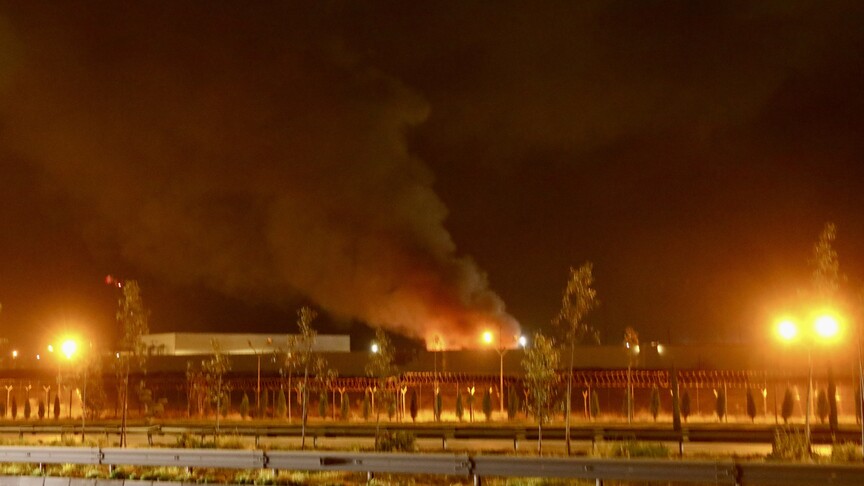
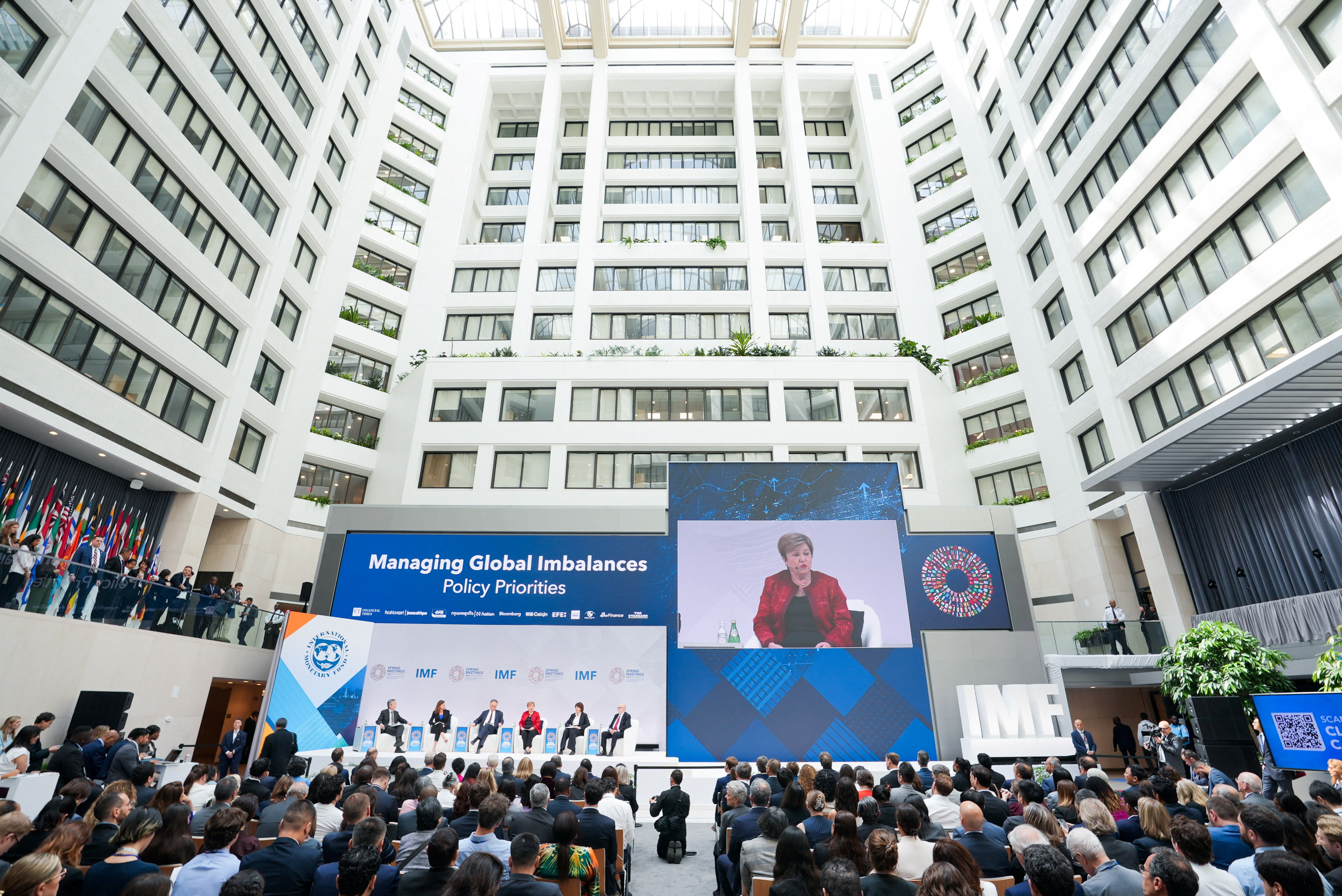
The Middle East is a tinderbox in April 2026. U.S. forces have surged into the region following a blockade of Iranian ports, fully implemented as of April 15, prompting Iran to threaten Red Sea traffic halts and demand a "special regime" for the Strait of Hormuz. Qatar's stark warning on April 15—that a full-scale Iran conflict would devastate the global economy—has amplified fears of supply chain chaos. Meanwhile, the IMF reports 12 or more countries scrambling for loans to weather the energy shock from this war, underscoring the broadening ripple effects. For more on how these tensions influence oil price forecast models, see our Global Risk Index.
At the heart of this turmoil, Arab Gulf states are responding not with blind loyalty to Washington but with calculated independence. Sources reveal Gulf capitals considering "Plan B" as the Iran war exposes flaws in U.S.-based security frameworks. This unique pivot—away from U.S. dependency toward self-reliant regional initiatives—stems from acute internal pressures: ballooning defense budgets strained by energy export volatility, youth-driven demands for economic diversification (as seen in Saudi Vision 2030), and the realization that American commitments are increasingly conditional amid domestic U.S. isolationism.
Historically, Gulf monarchies traded oil for U.S. protection post-1979 Iranian Revolution, but today's escalations echo past betrayals, like the 1990-91 Gulf War's aftermath when U.S. presence lingered uneasily. The April 11, 2026, U.S. troop deployments and UN demands for accountability on war violations/crimes set the stage, framing current moves as a direct continuation of rapid escalation. This realignment isn't knee-jerk; it's a data-driven response to metrics like Hormuz shipping constraints keeping oil steady despite U.S.-Iran peace whispers, per Channel News Asia. With global trade routes at risk—20% of world oil transits Hormuz—the Gulf's quest for autonomy could reshape multipolar power dynamics, influencing everything from Asian energy deals to European inflation, and directly impacting oil price forecast outlooks.
Historical Roots of the Current Crisis
The flashpoint traces to April 11, 2026, when the U.S. deployed additional forces to the Middle East, citing Iranian provocations including the use of Chinese satellites to surveil U.S. bases. On the same day, the UN issued multiple demands for accountability—on war violations, crimes, and Mideast hostilities—highlighting a pattern of international frustration with unilateral U.S. actions. This catalyzed a 24-hour escalation, culminating in April 12 U.S.-Iran talks on the Lebanon war and Hormuz, which sources describe as yet another failed diplomatic foray.
These events aren't isolated; they revive historical strains in U.S.-Gulf alliances. Post-WWII, the U.S. positioned itself as the Gulf's security guarantor via the "Carter Doctrine" (1980), pledging to defend oil flows against Soviet or Iranian threats. Yet, patterns of diplomatic flops—1979 hostage crisis, 1980s tanker wars, 2018 nuclear deal withdrawal—have eroded trust. The 2026 timeline mirrors 2006 Israel-Lebanon war escalations, where U.S. hesitancy empowered regional actors. Gulf states, witnessing U.S. blockades battering their U.S.-aligned strategies (e.g., Iran war impacts on shared security pacts), are now empowered to seek alternatives. Explore related insights in Faith and Frontiers: How Religious Divisions are Fueling US Geopolitical Shifts and Oil Price Forecast in 2026.
Data underscores the shift: Pre-2026, U.S. arms sales to Gulf states topped $100 billion annually, but delivery delays during Ukraine aid diverted resources. The April 15 "Gulf States Plan B" reports from Straits Times detail how Iran's Hormuz threats and Red Sea reprisals have strained these pacts, pushing Riyadh and Abu Dhabi toward bilateral deals with Russia, China, and India. UN welcomes for Lebanon-Israel talks (Anadolu Agency) offer faint hope, but historical missteps—like Trump's April 15 claim that the "war is almost over" amid Iranian warnings (Africanews)—illustrate why Gulf leaders view U.S. reliability as waning. This rapid timeline (deployments to talks in 24 hours) accelerates realignments, with Gulf states leveraging their $3 trillion sovereign wealth funds for independent hedging. These dynamics are critical for accurate oil price forecast scenarios.
Current Dynamics: Arab Gulf States' Strategic Pivots and Oil Price Forecast Implications
Today's dynamics reveal Gulf states in flux. Straits Times reports confirm Arab Gulf nations are eyeing "Plan B" as the Iran war dismantles U.S.-centric security. Triggers abound: Iran's April 15 call for a Hormuz "special regime" (Anadolu), threats to Red Sea traffic (Fox News), and U.S. port blockades (France24). Qatar's Jerusalem Post warning of imminent global economic hits from a "full-fledged" war adds urgency, with oil steady amid shipping fears (Channel News Asia).
Economic pressures amplify the pivot. The IMF's April 15 note on 12+ countries seeking loans for energy shocks—fueled by prices >$100/barrel—hits Gulf exporters hard, despite revenue windfalls. Internally, they balance surging LNG exports (Qatar aims for 126 MTPA by 2027) with security needs, as Hormuz constraints risk 5-10% GDP hits per Deloitte models. Original analysis: This duality fosters diversification—UAE's $10B India refinery deals, Saudi's BRICS overtures—targeting non-U.S. partners like China (40% of Gulf oil imports). Check Catalyst AI — Market Predictions for real-time oil price forecast updates.
Cross-market implications are stark. Global stocks face algo-driven selloffs (echoing 2006 Lebanon war's 5-10% drops), while energy shocks inflate import costs for Europe/Asia. Gulf states' internal politics add layers: Youth unemployment (15-20% in Saudi) demands reforms, with realignments funding NEOM-like megaprojects. Turkey-Egypt ceasefire talks (April 15) hint at broader mediation roles, positioning Gulf states as pivots amid U.S.-Iran deadlock.
Original Analysis: The Risks and Rewards of Independence
Forging independence offers Gulf states tantalizing rewards but perilous risks. Benefits include enhanced autonomy: Reduced U.S. reliance could slash defense spending (currently 10% GDP for Saudi), freeing capital for green hydrogen (UAE targets 1.4M tons/year by 2031) and tech hubs. Regional pacts—like the 2023 Saudi-Iran China-brokered détente—could stabilize Hormuz, securing 21M barrels/day flows and boosting intra-GCC trade (projected $100B by 2027).
Yet risks loom large. Iranian threats—Hormuz closures could spike oil 50% (historical 1973 precedent)—expose vulnerabilities without U.S. carriers. Global trade routes face dual threats: Hormuz (oil) and Red Sea (10% container traffic), per Fox/Channel sources, potentially adding $1T to annual costs (IMF estimates). Cross-market: This fuels risk-off flows—USD/gold up, equities/crypto down—mirroring 2020 Soleimani strike.
Socio-politically, shifts spur domestic reforms. Gulf rulers face "post-oil" pressures—60% population under 30 demands jobs beyond energy. Independence enables pragmatic foreign policy: Qatar's Hamas ties, UAE's Israel normalization, Saudi's Yemen de-escalation. Balanced view: Rewards dominate if managed via multilateralism (e.g., UN-moderated Hormuz talks), but missteps risk proxy escalations, fragmenting OPEC+ and accelerating global energy transitions.
Institutionally, this realignment signals multipolarity. Gulf sovereign funds ($4T assets) pivot to Asia (China's 25% oil imports from Gulf), diluting U.S. leverage. Data-driven: Qatar's warnings infer 2-3% global GDP drag, pressuring IMF borrowers and underscoring Gulf hedging's necessity. These factors are integral to refining oil price forecast models amid ongoing volatility.
Future Outlook: Predicting the Next Wave of Changes
Over 12-18 months, Arab Gulf states will accelerate independent security pacts and economic diversification, per patterns in sources. Scenarios bifurcate: Strengthened Gulf-Asia alliances (e.g., Saudi-Japan defense MoUs) reduce U.S. influence, fostering stability; or escalated U.S.-Iran hostilities trigger Hormuz incidents, spiking instability.
Economic ripples: Accelerated non-oil diversification—UAE tourism/tech (8% GDP growth forecast)—and new trade pacts (GCC-China FTA by 2027) yield multipolar Middle East. Oil >$120 could force SPR releases, but persistent shocks hasten renewables (global $1.7T investments). By 2027, Gulf mediation (e.g., Turkey-Egypt model) positions them as brokers, with UN crucial for Hormuz regimes.
Watch: April 2026 UN sessions, IMF loan disbursements, Gulf summits. If U.S.-Iran talks revive, de-escalation risks reverse pivots; intensification cements "Plan B." Cross-markets: Reduced U.S. sway weakens petrodollar, boosting RMB in energy trades. This outlook directly informs long-term oil price forecast strategies.
Catalyst AI Market Prediction
Powered by The World Now's Catalyst AI engine, predictions reflect Middle East escalations:
- OIL: + (high confidence) – US-Iran tensions threaten Hormuz, spiking prices >$100. Precedent: 2020 Soleimani (4-5% jump). Risk: IAEA intervention.
- USD: + (medium confidence) – Safe-haven flows amid turmoil. Precedent: 2018 Iran withdrawal (DXY + amid 20% oil rise). Risk: Fed easing.
- GOLD: + (medium confidence) – Geopolitical haven demand. Precedent: 2006 Lebanon war. Risk: Oil de-escalation.
- SPX: - (medium confidence) – Risk-off algo selling on inflation fears. Precedent: 2006/2020 drops (5-10%/0.6%). Risk: Ceasefire rotation.
- EUR: - (medium confidence) – USD strength, energy costs. Precedent: 2014/2018 weakenings. Risk: ECB hawkishness.
- BTC/SOL: - (medium/low confidence) – Risk asset deleveraging. Precedent: 2022 Ukraine (10% drops). Risk: ETF buying.
- CHF: + (medium confidence) – Euro-prox risks. Precedent: 2019/2020 lifts.
- TSM: - (medium confidence) – Trade fears. Precedent: 1996 Taiwan crisis.
Predictions powered by The World Now Catalyst Engine. Track real-time AI predictions for 28+ assets.