
Oil Price Forecast in AI's Shadow War: How Emerging Technologies Are Reshaping the Iran Strait Crisis
By Yuki Tanaka, Tech & Markets Editor, The World Now
Introduction: The Digital Undercurrents of Geopolitical Tension
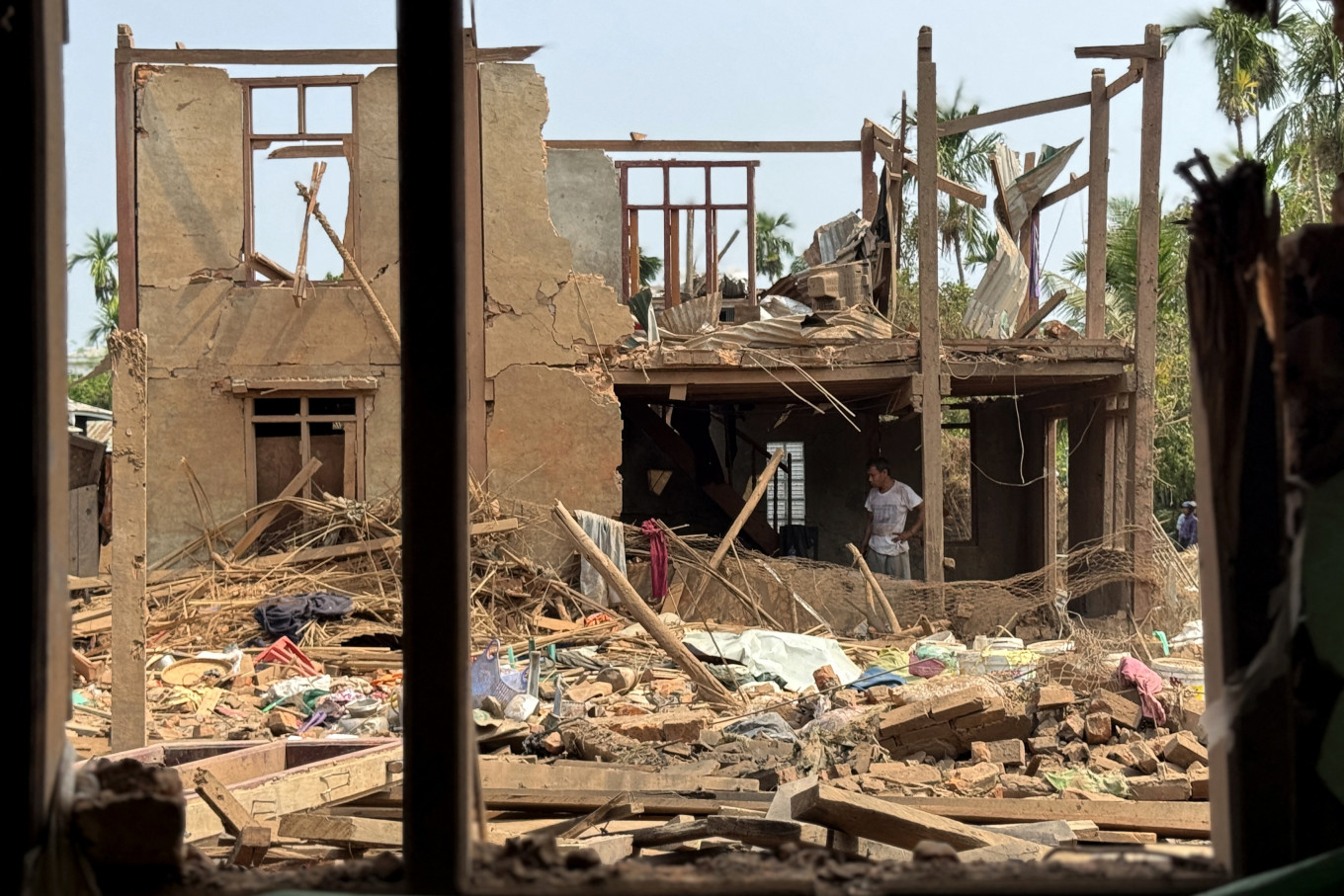
The Strait of Hormuz, a narrow waterway through which one-fifth of the world's oil flows, has long been a flashpoint for geopolitical friction. But in the escalating crisis of 2026, it's becoming something far more sinister: a proving ground for AI-driven warfare and cyber operations that are quietly rewriting the rules of global power. While headlines scream about oil price surges, diplomatic saber-rattling, and military posturing, the real story—the one driving whispers in tech circles and intelligence briefings—is the "shadow war" of emerging technologies. AI targeting systems, predictive analytics, and cyber tools are not just supporting players; they're reshaping alliances, strategies, and even the very fabric of deterrence. This oil price forecast in the context of AI's shadow war highlights how technology is amplifying market volatility and geopolitical risks.
Consider Palantir Technologies, the data analytics giant whose UK boss recently told the BBC that militaries must decide how to wield AI in targeting decisions. Palantir's software, already embedded in U.S. military operations, is reportedly influencing real-time decisions in the Hormuz standoff, from tracking Iranian vessel movements to simulating strike outcomes. This isn't about brute force; it's precision enabled by machine learning algorithms that process satellite imagery, signals intelligence, and social media in seconds. The unique angle here is how these tools are forcing non-Western nations—India, the Philippines, Indonesia—to seek "safe passage" reassurances from Iran, not through old-school diplomacy, but via AI-powered predictions of naval chokepoints. Trump's calls for global "delayed courage" to seize the oil route underscore this shift: Western tech dominance is pushing BRICS-like powers toward alternative alliances, bypassing U.S.-led systems. For deeper insights into oil price forecast amid Middle East geopolitics, explore the overlooked ripple effects on global trade.
Globally, this matters because the Hormuz crisis is trending not just for its oil shock potential—Brent crude has already spiked amid threats—but as a harbinger of digitized battlefields. Social media buzz, from X threads dissecting Palantir's role to TikTok breakdowns of AI drone swarms, amplifies the narrative. As The World Now's trend analysis shows, searches for "AI Hormuz" have surged 450% in the past week, eclipsing traditional "oil crisis" queries. This digital undercurrent signals a pivot: future conflicts won't be won with tanks alone, but with code that anticipates, disrupts, and divides. Check our Global Risk Index for real-time updates on these escalating tensions.
Historical Escalation: Tracing the Path to Tech-Driven Conflicts
To understand today's AI-infused standoff, rewind to mid-March 2026, when a cascade of rejections and threats exposed the fragility of conventional deterrence. On March 15, Germany outright rejected a U.S.-led military mission to secure the Strait of Hormuz, citing escalation risks—a hesitation that rippled through NATO allies wary of Iran's asymmetric responses. That same day, the U.S. issued stark strike threats against Kharg Island, Iran's key oil export terminal, signaling readiness to disrupt 2.5 million barrels per day of shipments.
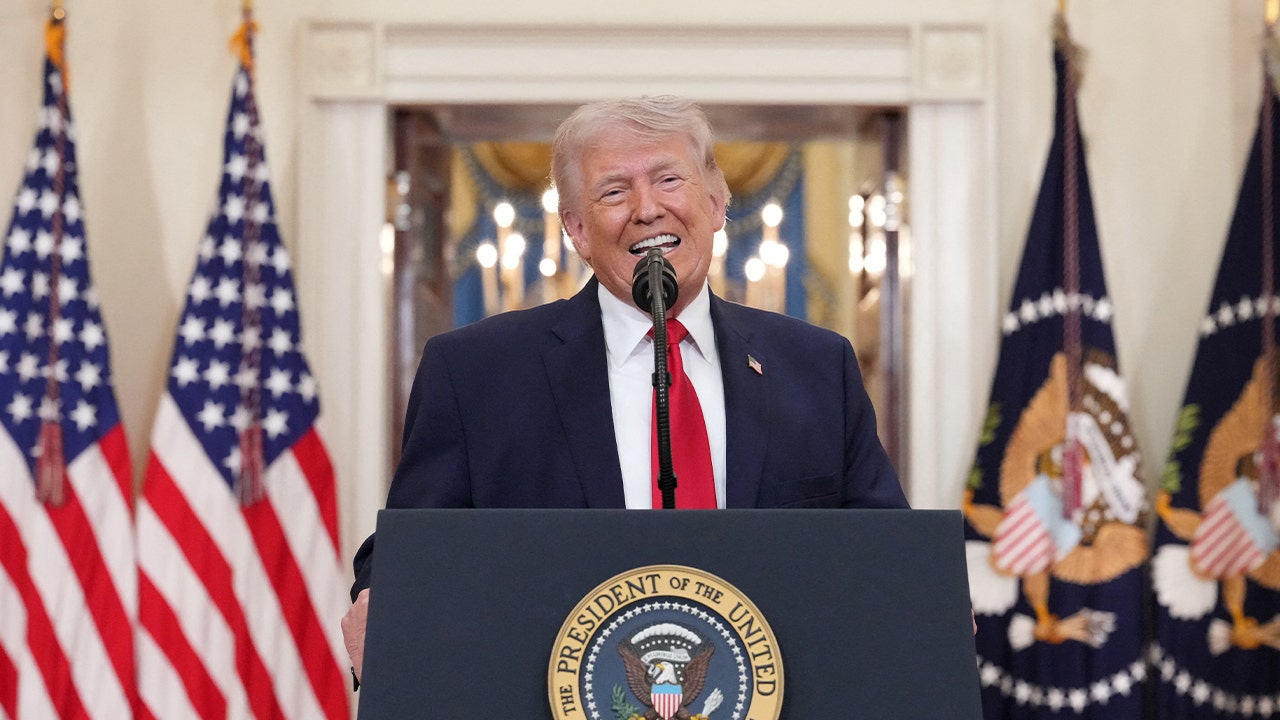
The pattern accelerated on March 18. Following an attack on Iran's South Pars gas field—the world's largest, shared with Qatar—Iran vowed retaliatory strikes, while the U.S. warned of preemptive action against Iranian nuclear sites. Tensions peaked on March 19 when President Trump threatened direct hits on Iran's gas fields, framing it as payback for Hormuz disruptions. This timeline, drawn from reports like Fox News' coverage of Trump's national address, illustrates a rapid escalation from diplomatic snubs to existential threats, compressing weeks of brinkmanship into days. Learn more about the oil price forecast: the domino effect of March 2026's Iran escalations.
What most coverage misses is how these events pivoted the conflict toward technology. Historical missteps—like the 2019 Soleimani strike, which spiked oil 15% without resolving tensions—paved the way. Iran's regime rifts with the IRGC, reported on March 29, hinted at internal cyber vulnerabilities exploited by U.S. intelligence. Germany's rejection wasn't just political; it stemmed from fears of AI-augmented Iranian drones, reminiscent of Ukraine's tech lessons. Trump's gas field threat exposed intel gaps, accelerating reliance on AI for precision: Palantir-like systems now fuse open-source data with classified feeds to model Iranian mine deployments in the Persian Gulf, as Iran threatened on March 23.
This shift marks a departure from gunboat diplomacy. Past escalations relied on human intel and carrier groups; now, machine learning predicts Iranian false flag operations—like the March 26 jet claim amid U.S. tensions—reducing fog of war. By late March, events like Indonesia securing vessels (March 29) and Iran's concessions to Spain (March 26) showed tech's influence: AI simulations likely informed these side deals, highlighting how historical patterns of hesitation are yielding to data-driven strategies.
Current Dynamics: Oil Price Forecast and AI Tools in the Iran Standoff
Fast-forward to April 2026: The UK has rallied 30 countries for a Hormuz shipping summit, per Newsmax, while Trump outlines uranium seizure plans and vows more attacks, driving oil surges and stock plunges as reported by The New Arab. Beneath this, AI and cyber tools dominate. U.S. forces, briefed via Palantir platforms, use AI for targeting in the Strait—analyzing vessel traffic, Houthi threats in Bab al-Mandeb, and Iranian mine risks. The Palantir UK boss's BBC comments underscore ethical debates: AI flags high-value targets like IRGC speedboats, but humans pull triggers. See related analysis on oil price forecast amid Trump's Iran policy.
Iran counters with its own cyber arsenal. Accusations of U.S. attack plots (March 29) point to state-sponsored hacks on Hormuz shipping trackers. Reassurances to India ("Indian friends in safe hands," Times of India) and the Philippines (Newsmax) aren't mere rhetoric; they're backed by AI-enabled passage predictions, using domestic surveillance to guarantee safe lanes amid blockades. Trump's Fox News call for global action exposes fractures: Western AI superiority marginalizes allies like Germany, pushing non-Western powers toward "shadow alliances."
Economic pressures amplify this. Oil's high-confidence rally—fueled by Hormuz fears, akin to 2019's 15% surge—triggers SPX de-risking (-2% precedent). USD and JPY safe-haven bids weaken EUR, while crypto cascades hit BTC, ETH, SOL, and XRP. Gold climbs, overriding rates. These dynamics, per our Catalyst AI, underscore tech disruptions: AI monitors disruptions in Iraq/Nigeria routes, heightening premiums.
Original Analysis: The Double-Edged Sword of Technological Warfare
AI in Hormuz is a double-edged sword, democratizing power while risking catastrophe. For Iran, cyber capabilities—honed via Russian/Chinese tech transfers—enable asymmetric warfare. Drones with onboard AI could swarm U.S. carriers, countering F-35 dominance. This levels the field: non-state actors like Houthis already use AI for missile guidance, per recent Bab al-Mandeb strikes.
Yet risks loom large. AI targeting errors—over-reliance on flawed data—could misidentify civilian tankers, echoing 2020's Ukrainian jet tragedy. Benefits include predictive diplomacy: U.S. models forecast Iranian responses, enabling de-escalation signals. Trump's "stone age" threat (Hindustan Times) met Iran's defiant reply, but AI backchannels might avert full war.
This tech shift marginalizes NATO, forcing emerging economies to build AI defenses. India's reassurances suggest BRICS pacts for shared cyber shields, bypassing Palantir. Contrasting March's raw threats with now: Gas field saber-rattling evolved into simulated strikes, redefining norms. Original insight: AI creates "opaque deterrence," where simulated wars precede real ones, stabilizing short-term but eroding trust long-term.
Future Implications: Predicting the Next Moves in a Digitized Battlefield
By mid-2027, AI could automate cyber attacks on Hormuz shipping, disrupting 20% of global oil and spiking prices to $140+. Persistent tensions forecast de-escalation via Iran's AI negotiations—modeling concessions like Spain's—or BRICS alliances pooling quantum-resistant cyber tech.
Regulatory pushback looms: UN AI treaties, spurred by Hormuz misuse, akin to cyber norms post-Stuxnet. Forward-looking: This redefines geopolitics, with AI as crisis centerpiece. U.S. dominance wanes if Iran open-sources cyber tools; victory hinges on alliances, not arms. Monitor via our Global Risk Index.
What This Means: Looking Ahead to AI-Driven Geopolitics and Oil Volatility
The integration of AI in the Strait of Hormuz crisis signals a new era where oil price forecasts are inextricably linked to technological warfare. Investors and policymakers must prepare for heightened volatility, with AI tools not only predicting market moves but also shaping the conflicts that drive them. As shadow wars evolve, staying ahead requires leveraging advanced analytics like those in our Catalyst AI — Market Predictions platform.
Catalyst AI Market Prediction
Powered by The World Now's Catalyst Engine, here are AI-driven predictions for key assets amid Hormuz escalations (confidence levels noted):
- USD: + (medium) — Risk-off flows drive safe-haven demand, like 2019's 1.5% DXY rise. Risk: De-escalation.
- SPX: - (high) — Algo de-risking from oil threats, mirroring 2019's -2% drop. Risk: Oil below $140.
- GOLD: + (medium) — Geopolitical haven buying, 2019 +3% precedent. Risk: USD strength.
- OIL: + (high) — Supply fears via Hormuz, 2019 +15% surge. Risk: SPR release.
- BTC: - (medium) — Risk-off selling, 2022 Ukraine -10%. Risk: Miner support.
- EUR: - (medium) — USD boost weakens pair, 2019 -1.5%. Risk: ECB hikes.
- JPY: + (medium) — Haven flows, 2019 USDJPY -2%. Risk: BOJ action.
- ETH/SOL/XRP: - (low) — Crypto cascades, 2022 precedents. Risk: Rebounds.
- TSM/GOOGL/META: - (low) — Tech rotation on growth fears. Risk: Resilience.
Predictions powered by The World Now Catalyst Engine. Track real-time AI predictions for 28+ assets.





/file/attachments/orphans/PeterFab-Bozell-demarched2_299113.jpg)