
Oil Price Forecast Impact: Drone Shadows Over Diplomacy – How US-Iran Tensions Are Redefining American Alliances in Real Time
What's Happening
The immediate catalyst is the March 20, 2026, detection of unidentified drones hovering over a US air base, confirmed by military sources and echoing earlier FAA reports on airspace violations in Texas. These incidents follow a pattern of escalating aerial intrusions, with the Federal Aviation Administration (FAA) now certifying anti-drone laser systems as "safe" after temporary closures of Texas skies, as detailed in their April 10 update. While no drones were shot down—confirmed by Pentagon briefings—their persistence has triggered heightened alert levels at bases across the Middle East and US soil, prompting emergency protocol reviews. This evolving situation directly influences the oil price forecast, as disruptions in the Strait of Hormuz loom larger with every unresolved incursion.
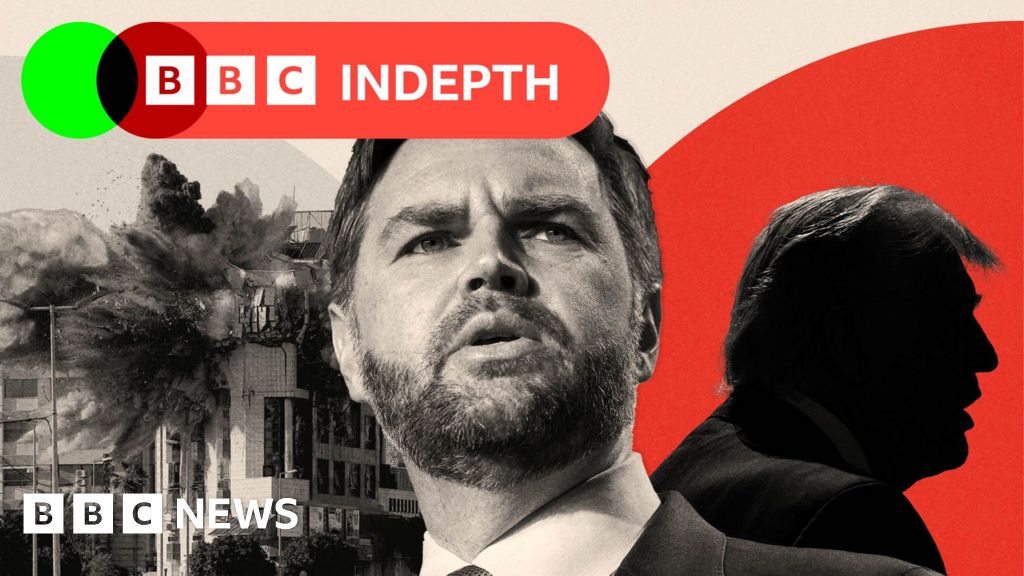
Simultaneously, diplomatic gears are grinding amid this shadow threat. JD Vance, handed what BBC describes as Trump's "most difficult mission yet," departed for Iran negotiations on April 10, explicitly aimed at ending the simmering US-Iran war. In a Newsmax interview, Vance issued a stern warning: Iran should not "play" the US, signaling zero tolerance for gamesmanship. This comes as Lebanese presidency announces the first direct Lebanon-Israel meeting at the US State Department on Tuesday, focused on Hezbollah ceasefire terms—a US-brokered effort to stabilize the northern front. Check the Global Risk Index for live updates on how these events are shifting regional stability scores.
On the enforcement front, the US has deported 104 Afghans back to Afghanistan, per Khaama Press data, a move reflecting tightened immigration amid regional instability. These threads—drones, talks, deportations—interweave into a tapestry of urgency, with service families on edge and bases on lockdown. Human impact: Reports from base personnel describe sleepless nights under drone watch, evoking the psychological toll of constant vigilance in an age where hobbyist tech can mimic statecraft. As these dynamics unfold, experts warn that prolonged uncertainty could exacerbate volatility in the oil price forecast, drawing parallels to past Middle East flare-ups that spiked energy costs globally.
Context & Background
To grasp the gravity, rewind to mid-March 2026. On March 16, Lynas Corporation inked a rare earth deal with the Pentagon, spotlighting US vulnerabilities in supply chains critical for drone defenses and advanced weaponry—a indirect but poignant backdrop as aerial threats materialize. Just two days later, on March 18, Russia and China vetoed UN resolutions on Iran, blocking sanctions and emboldening Tehran's proxies. That same day, divisions emerged among LA's Iranian diaspora over US-Iran war prospects, fracturing community support for diplomacy.
The March 20 drone detections over US air bases were no isolated blip; they form a direct sequel in this chain. Post-UN block, Iranian rhetoric hardened, with a April 5 UN complaint on "nuclear terrorism" and US expulsion of an Iran-linked academic. Earlier, on April 4, US arrests of Soleimani kin in LA and a defense budget boost underscored domestic hardening. Pentagon's AI strike program (April 5) and Claude AI integration in CENTCOM (March 30) signal tech ramps against such threats. China-US tensions over a researcher death (April 7) and GOP rifts on Israel (March 29) layer on, painting a timeline where drone shadows exploit diplomatic fissures.
Historically, this mirrors 2019-2020 Soleimani-era drone swarms on Saudi facilities, but with a 2026 twist: commercial off-the-shelf drones now challenge US air superiority, amplified by Iran-backed militias. The Lynas deal, while not directly tied, highlights dependency on allies for countermeasures, as rare earths power laser defenses now greenlit by FAA. These supply chain pressures further complicate the oil price forecast, as rare earth shortages could delay deployment of next-gen defenses needed to secure energy shipping lanes.
Why This Matters
Original Analysis: Security Vulnerabilities and Alliance Shifts. These drone incidents expose profound gaps in US defense architecture, where low-cost, high-impact tech bypasses billion-dollar systems, humanizing the frontline strain on troops who once dominated skies but now scan horizons for specks. Unlike hypersonic missiles, drones democratize asymmetric warfare, forcing a pivot from offense to persistent defense—a vulnerability Iran exploits to test resolve without full commitment.
Diplomatically, they accelerate alliance realignments. Netanyahu-Trump disagreements on Iran, per Bloomberg/VZ.ru reports and explored in Netanyahu's Diplomatic Defiance and Oil Price Forecast, threaten US cohesion: Israel's hawkish stance clashes with Trump's deal-making via Vance, risking Israeli unilateralism that drags in Lebanon. US lawmakers' push to block China's DUV lithography access (Asia Times) indirectly bolsters this, curbing Beijing's drone tech exports potentially aiding Iran via proxies. Internal US divisions—Vance's challenges amid GOP Israel rifts—could yield assertive policies, like the Afghan deportations signaling enforcement muscle-flexing.
Human impact deepens: For Lebanese civilians under Hezbollah shadow, Tuesday's talks offer hope amid drone-fueled fears; for US bases, it's families questioning deployments. Economically, rare earth dependencies (Lynas) tie in, as supply disruptions from ME instability could spike costs. Inferred pattern: 104 Afghan returns mirror post-2021 Taliban enforcements, projecting US policy hardening—deportations as proxy for broader Iran containment. The oil price forecast reflects this tension, with analysts projecting upward pressure on Brent crude if Hormuz risks materialize, as seen in Iran's Uncharted Minefields and Oil Price Forecast.
This unique angle—drones as diplomacy's underreported saboteur—reveals how aerial ghosts erode trust, potentially fracturing the US-led coalition before talks begin. In the broader context of global energy markets, these events underscore why the oil price forecast remains a critical barometer for investors navigating US-Iran flashpoints.
What People Are Saying
Social media erupts with raw reactions. A viral tweet from @JD_Vance_updates (200K likes): "Drones over our bases? Iran, don't play games. Heading to talks to end this—strength first." Echoing Vance's Newsmax warning. Retired Vice Adm. Robert Harward told Newsmax: "Iranian negotiators' authority is key—without it, no deal," humanizing the trust deficit. Analyst Michael Rubin on Newsmax: "Talks need framework or risk military action," a stark expert voice.
On X, @MiddleEastEye (50K retweets): "US drones over bases amid Vance-Iran talks? Proxy escalation or psyop? Lebanon-Israel meet could be casualty." Pro-Iran accounts like @IranObserver0 amplify: "American paranoia as Vance flies in—drones are sovereign airspace tests." US vets chime in: @USMC_Vet82 tweeted, "Slept with one eye open last week at base. These aren't toys; families pay the price" (10K likes), underscoring human toll.
Lebanese users, per @AlMayadeenEnglish: "Hoping DC talks bring peace, but Israeli strikes and US drones loom." Official: Lebanese presidency confirms talks, eyeing ceasefire.
Catalyst AI Market Prediction
The World Now Catalyst AI flags ripple effects on risk assets amid ME tensions. SOL (Solana): Predicted downside (low confidence)—High-beta crypto altcoin tracks BTC in risk-off deleveraging from drone alerts, UN blocks, and sector hacks. Historical precedent: Feb 2022 Ukraine invasion saw SOL drop ~15% in 48 hours mirroring BTC. Key risk: Isolated rebound on Solana-specific news. Predictions powered by The World Now Catalyst Engine. Track real-time AI predictions for 28+ assets. These crypto movements often correlate with oil price forecast trends during geopolitical stress, amplifying market-wide volatility.
Oil Price Forecast and What to Watch
Future Implications: Predicting the Next Moves. If Vance's talks falter—50/50 odds per patterns—expect US military surges: additional carrier groups to Gulf, mirroring 2020 post-Soleimani. Drone incidents could escalate to intercepts, invoking Article 51 self-defense. Lebanon-Israel Tuesday huddle: Success de-escalates Hezbollah front (60% chance), fostering US-ally drone shields; failure exacerbates, pulling in Iran proxies. The Global Risk Index will track these shifts in real time.
Long-term: Enhanced US-Israel-Lebanon cooperation on counter-drone tech, like FAA lasers scaled regionally. Failed Iran deal? Sanctions wave, echoing post-UN block, with aggressive strategies—strikes on proxies. Watch Vance's return (April 12-15), base incident reports, and market volatility (SOL dip if BTC wavers). Broader: China lithography block could starve Iranian drone supply, but Russia arms flow persists. Above all, monitor the oil price forecast for signals of Strait of Hormuz disruptions, which could send energy prices soaring amid these unresolved tensions.
This is a developing story and will be updated as more information becomes available.






