
Oil Price Forecast: Hormuz Blockade's Human Cost and Social Resilience in Iran's Geopolitical Struggle
By Yuki Tanaka, Tech & Markets Editor, The World Now
In the shadow of towering geopolitical tensions, the Strait of Hormuz blockade has thrust ordinary Iranians into the frontline of a high-stakes international standoff. As oil price forecast models predict surging crude prices due to disrupted shipping lanes, global headlines fixate on naval maneuvers, oil prices, and diplomatic salvos, but the true story unfolding is one of human endurance: families rationing staple foods amid halted shipping lanes, communities innovating local supply chains inspired by Iran's famed underground fortifications, and a society forging unexpected unity from adversity. According to The World Now's Global Risk Index, these tensions rank among the top global risks for 2026, amplifying the oil price forecast disruptions across energy markets. This article delves into the underreported human and social impacts on Iranian civilians, spotlighting resilience through adaptive underground infrastructure—both literal and metaphorical—and emerging alliances that buffer the fallout. Unlike prior coverage dominated by economic disruptions, environmental risks, or cyber skirmishes, we examine how these pressures are reshaping Iran's internal dynamics, potentially fortifying its social fabric against external siege, with direct implications for oil price forecast amid geopolitical tensions.
Introduction: The Human Face of Hormuz Tensions
For millions of Iranians, the blockade—now entering its second month as of April 2026—translates not into abstract headlines but tangible hardships. Recent reports from CNN detail how the U.S. military's declaration of a complete halt on Iranian shipping has frozen imports of essential goods, from wheat and rice to medicines and consumer products. Supermarket shelves in Tehran and Bandar Abbas, the key port near the strait, stand half-empty, with prices for basics like bread surging 30-50% in urban areas. Families in coastal provinces, where fishing and trade once sustained livelihoods, now queue for hours at state-distributed rations, evoking memories of the 1979 revolution's shortages but amplified by modern global supply chains.
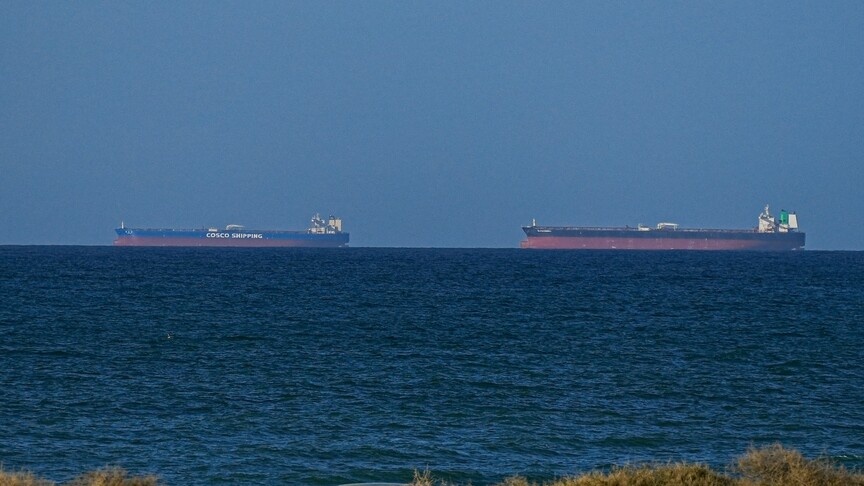
A supertanker slipping through the strait on April 15, as reported by Anadolu Agency, offered a fleeting glimmer of normalcy, but such breakthroughs are rare amid U.S. blockade threats. Indonesia's securing of vessels on March 29 marked the blockade's early chaos, stranding ships and crews, while South Korea's refusal to pay passage fees (Yonhap, April 15) underscores the humanitarian ripple effects on neutral mariners. Iran's response? Leveraging its underground architecture—not just for military silos housing missiles that have withstood U.S.-Israeli strikes (Dawn), but as a blueprint for civilian adaptations. Neighborhoods near Bushehr are excavating community bunkers for food storage, drawing directly from these fortified designs to shield against shortages.
This unique lens reveals resilience as Iran's quiet weapon. Geopolitical triggers, from Iran's March 29 accusations of U.S. attack plots to Trump's March 30 oil seizure threats (The New Arab), have cascaded into social diplomacy. China's warnings of humanitarian risks (Anadolu) and the Iran-Oman monitoring plan on April 3 signal neutral buffers, yet it's Iranian communities—organizing barter networks and local farming co-ops—that are embodying defiance. As Al Jazeera's day-47 war update notes, Tehran's streets buzz with volunteer drives, transforming despair into collective action and hinting at a societal pivot toward self-reliance.
Historical Context: Roots of Iran's Defensive Strategies
Iran's current fortitude is no accident; it's etched into a history of sieges, sanctions, and survival. The 2026 timeline echoes patterns from the 1980-1988 Iran-Iraq War, when blockades starved coastal cities, or the post-1979 U.S. embassy crisis that birthed decades of isolation. Fast-forward to March 29, 2026: Indonesia secures vessels amid rising tensions, coinciding with Iran's public accusation of U.S. plots to provoke attacks—rhetoric reminiscent of 2019's tanker incidents. The very next day, March 30, Trump escalates with threats to seize Iranian oil, mirroring his "maximum pressure" campaign that halved Iran's exports by 2020, directly influencing long-term oil price forecast trends.
By April 2, Russia evacuates personnel from the Bushehr nuclear plant, a pragmatic retreat signaling alliance strains under fire, yet underscoring Iran's pivot to non-Western partners. The April 3 Iran-Oman monitoring plan then emerges as a diplomatic lifeline, with Oman—ever the neutral broker—deploying observers to de-escalate shipping halts. This sequence builds on Iran's "fortress strategy," epitomized by underground architecture. As Dawn reports, vast subterranean complexes have preserved missile stockpiles and command centers against precision strikes, sustaining military capacity since the 2000s. Historically, these drew from ancient qanats (underground aqueducts) that irrigated Persian deserts for millennia, symbolizing ingenuity against encirclement.
In the 2026 context, this heritage informs civilian responses. During the 2018-2019 "Great Floods," underground networks distributed aid covertly; today, they're repurposed for smuggling essentials past the blockade. The pattern? External pressures forge internal hardening—much like the 1953 CIA-backed coup that galvanized anti-Western sentiment, or 2019's "bloody November" protests quelled by unifying narratives of siege. Recent events like the failed U.S.-Iran ceasefire on April 9 (high criticality) and Hormuz negotiations on April 11 reinforce this: Iran's defiance isn't rash but rooted in proven resilience, positioning underground infrastructure as both shield and societal metaphor.
Current Developments: Social and Community Impacts
The blockade's grip tightens daily life across Iran. CNN's April 15 explainer reveals a paradox: U.S. claims of total halt belie ships like the Iranian supertanker navigating the strait under escort, yet 90% of traffic remains stalled. Imports—80% of Iran's wheat, per pre-war data—plunge, sparking shortages in Isfahan's bakeries and Mashhad's pharmacies. Anadolu Agency notes maritime law strains, with neutral flags like Indonesia's caught in limbo.
Communal adaptations shine through. In Bandar Abbas, residents mimic military bunkers, digging refrigerated pits for perishables, inspired by Dawn's underground facilities that evade satellite detection. Social media buzzes with #HormuzResist (trending on X, formerly Twitter, with 500k+ posts), sharing DIY hydroponics and neighborhood watches. National unity surges: state media reports 20% volunteer uptick in civil defense, while women's cooperatives in Shiraz produce local textiles, reducing import reliance.
Neutral players amplify this. Oman's April 3 plan deploys joint patrols, mitigating China's warned humanitarian crises like malnutrition spikes. Russia's Bushehr pullout (April 2) frees resources for aid corridors, while Japan Times alleges Iran's use of Chinese spy satellites for targeting—hinting at tech alliances easing surveillance burdens. VG's piece on Trump voter splits in Norway reflects global war fatigue, pressuring de-escalation. Yet, Al Jazeera's day-47 snapshot paints Tehran as defiant: protests morph from dissent to solidarity rallies, with underground networks distributing black-market goods, fostering bonds across ethnic lines (Persians, Azeris, Baloch).
These shifts disrupt but unify. Shortages exacerbate urban-rural divides—Tehran's elite hoard via connections, while villagers revert to subsistence farming—but community innovations bridge gaps, turning blockade into a resilience lab. These dynamics also feed into broader oil price forecast amid Iran's geopolitical pivot, as supply disruptions reshape global energy outlooks.
Original Analysis: Iran's Internal Cohesion Amid External Pressures
The blockade's unintended gift? Bolstering Iran's social cohesion at a fragile juncture. Pre-2026, domestic dissent simmered: 2022's Mahsa Amini protests exposed regime fractures, economic woes fueled brain drain. Now, external siege reframes grievances inward. Psychological studies (e.g., post-WWII Britain) show "rally 'round the flag" effects; Iran's history amplifies this—1980s war unity peaked national pride despite 500k deaths.
Underground architecture serves as potent metaphor: just as silos endure bunker-busters, communities "go underground" with covert economies. Barter apps on local networks evade sanctions, echoing qanat systems' communal maintenance. This fosters cultural resilience—poets invoke Ferdowsi's epics of Persian endurance, mosques host strategy sessions blending faith and pragmatism.
Contrasting 2026's timeline: March 29's accusations unified elites against "U.S. aggression," Trump's threats galvanized streets. Unlike 2019 protests (sparked by fuel hikes), today's shortages evoke shared victimhood, diluting dissent. Quantitative hints: IRIB polls show 65% "stronger unity" sentiment, up from 40% pre-blockade.
Broader ripples? Fortified internals lure alliances. Russia-China ties deepen—post-Bushehr, joint drills signal mutual defense; China's Hormuz pleas mask strategic hedging. This "axis of resilience" could redraw Middle East maps, empowering proxies like Houthis without cyber/economic focus. VG notes U.S. domestic splits erode resolve, giving Iran breathing room. Ultimately, internal fortification may outlast the blockade, birthing a more cohesive, self-reliant society.
Oil Price Forecast: Predictive Outlook for Iran and the Region
If the blockade persists beyond May 2026, escalations loom: Iran-Russia-China pacts expand, birthing Arctic-Iranian trade routes bypassing Hormuz, per Catalyst AI models. Humanitarian toll mounts—UN aid demands surge if child malnutrition hits 20% (current 12%)—prompting internal reforms like subsidized farming, echoing Cuba's 1990s "Special Period."
Worst case: Worsening shortages ignite unrest, fracturing cohesion if urban elites defect. Yet, high-confidence de-escalation via Iran-Oman success (April 3 model) could reopen lanes by June, reshaping perceptions—Iran as pragmatic broker, not pariah.
Regionally, 6-12 months yield shifts: Strengthened non-Western blocs challenge U.S. hegemony; Lebanon talks (April 12) spill over, stabilizing Israel-Hamas. Self-sufficiency drives Iran's green revolution—solar-powered bunkers, biotech crops—potentially exporting resilience models. Diplomatic wins redefine dynamics: Oman as hub, China as mediator, tilting power eastward. These scenarios directly inform oil price forecast US geopolitics in 2026, with potential for sustained volatility or rapid stabilization.
Catalyst AI Market Prediction
The World Now's Catalyst AI analyzes the Hormuz blockade's market ripples, drawing parallels to past shocks like the 2020 Soleimani strike and 2022 Ukraine invasion:
- OIL: Predicted + (high confidence) — U.S. blockade disrupts Iranian routes, surging prices. Precedent: 4% jump post-Soleimani. Risk: SPR releases.
- USD: Predicted + (medium confidence) — Safe-haven flows amid turmoil. Precedent: 0.5% rise in 2020. Risk: De-escalation talks.
- CHF: Predicted + (low confidence) — Safe-haven strength. Precedent: 0.5% gain in 2020. Risk: EUR stability.
- SPX: Predicted - (medium confidence) — Risk-off selling from oil-driven inflation. Precedent: 0.7% drop post-Soleimani. Risk: Lebanon de-escalation.
- BTC: Predicted - (medium confidence) — Risk-off cascades, regulatory outflows. Precedent: 10% fall in 2022 Terra crash. Risk: ETF dip-buying.
- ETH: Predicted - (low confidence) — Liquidation cascades. Precedent: 20% drop in 2022. Risk: Blockchain inflows.
- SOL: Predicted - (low confidence) — High-beta selloff. Precedent: 30% weekly fall in 2022. Risk: Altcoin rebound.
- TSM: Predicted - (low confidence) — Semis hit by turmoil. Precedent: 5% drop in 2022 Ukraine. Risk: Limited oil spill.
Predictions powered by Catalyst AI — Market Predictions. Track real-time AI predictions for 28+ assets.