
Oil Price Forecast Amid Iran War: The Erosion of US Influence, Europe's Collective Defiance and the Dawn of a Multi-Polar World
Introduction: The Tipping Point in Global Geopolitics
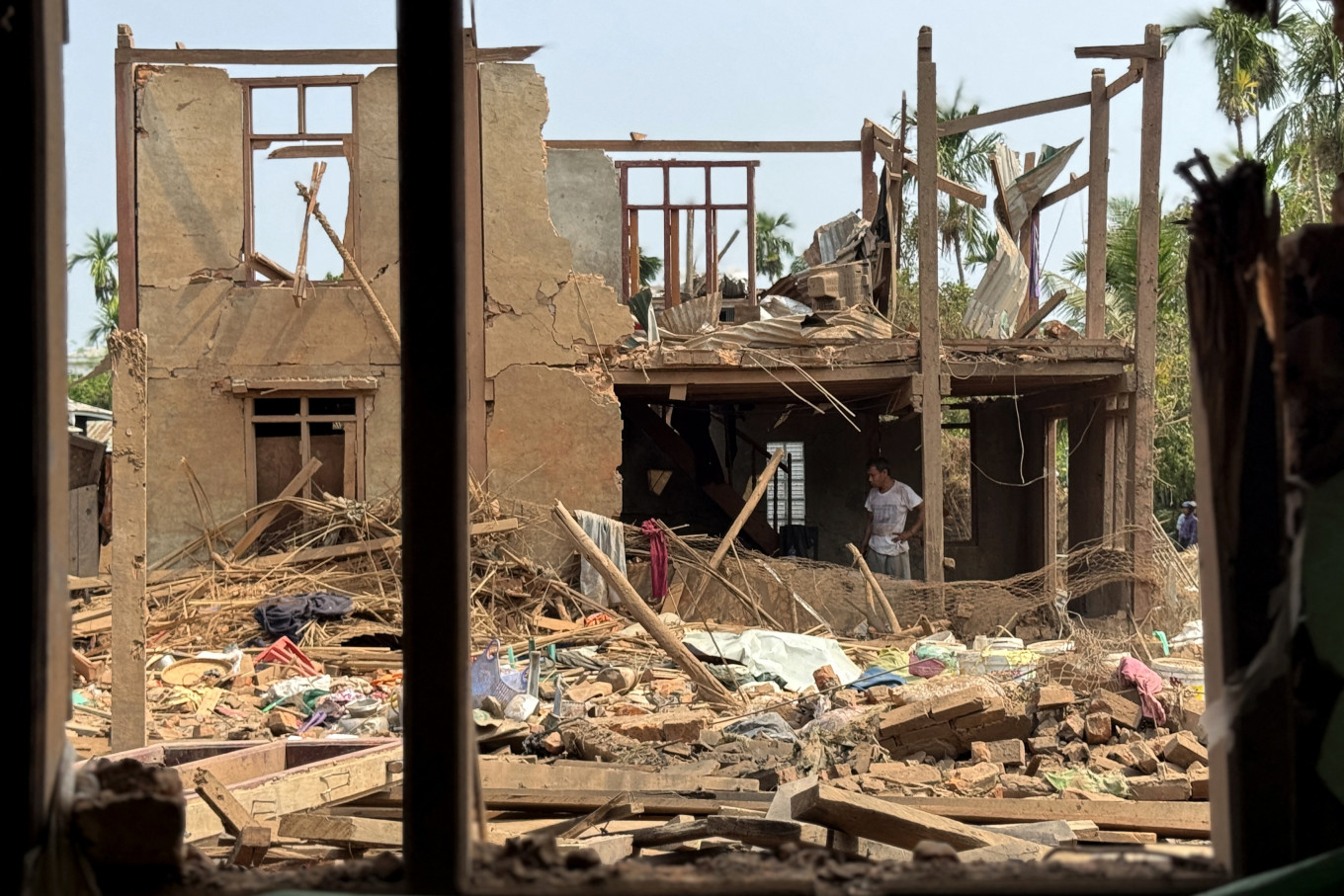
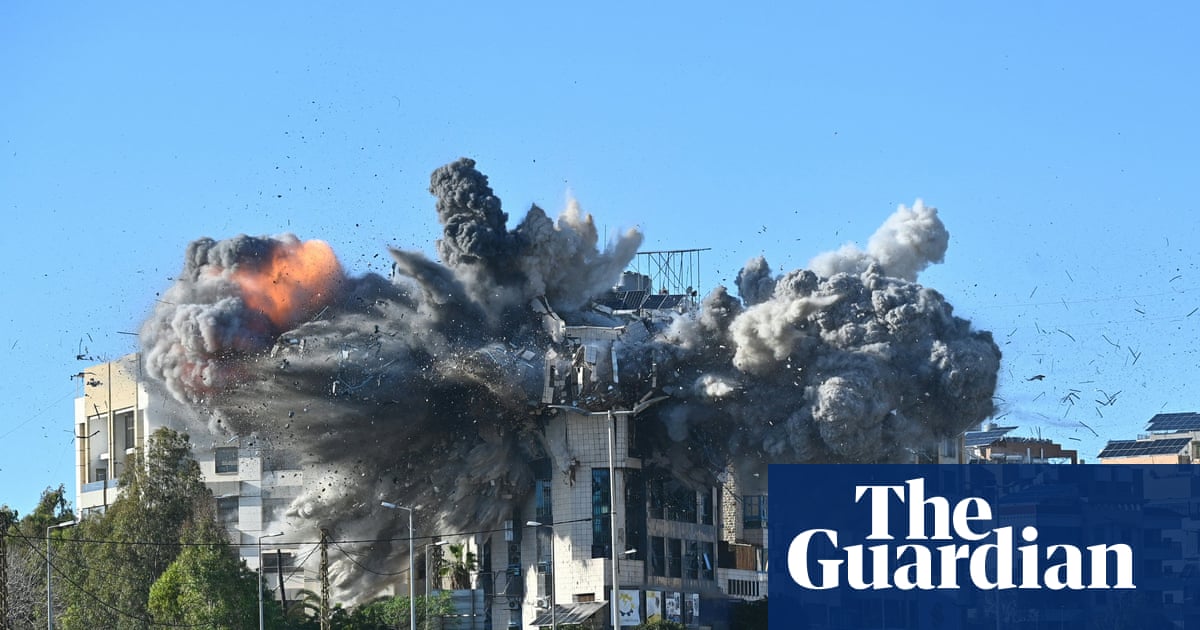
On April 1, 2026, a cascade of events marked a seismic shift in transatlantic relations. Spain abruptly closed its airspace to U.S. military flights in protest over the escalating U.S.-Iran conflict, a move that stranded American assets and symbolized raw European frustration. Simultaneously, a Polish aide publicly slammed U.S. policy on Iran and Israel, while President Donald Trump issued fresh threats against NATO allies, warning of funding shortfalls and potential U.S. withdrawal. These weren't isolated outbursts; they echoed across the continent, amplified by Trump's admission that the Iran war was waged "at the behest of allies" without a clear exit strategy, as reported by Middle East Eye and BBC. Oil prices surged above $100 per barrel, per MercoPress, underscoring the economic stakes and aligning with oil price forecast models predicting prolonged volatility due to Strait of Hormuz tensions.
This article's thesis is clear: The Iran war is accelerating Europe's shift toward collective strategic autonomy, challenging U.S. dominance and heralding a multi-polar world, especially as oil price forecasts highlight the intensifying global economic pressures. Unlike prior coverage fixated on bilateral U.S.-Europe spats or energy dependencies, we uniquely examine intra-European dynamics—such as Poland's criticism juxtaposed against Spain's defiance—and their ripple effects on global power structures, including nascent EU-Asia ties.
The structure unfolds as follows: historical context linking today's defiance to past autonomy bids; current trends in Europe's responses; original analysis of multi-polar implications; predictive outlooks for 2026-2027; and a conclusion reinforcing Europe's pivotal role. This matters now, as markets reel—S&P 500 futures dipped 1.8% intraday amid risk-off selling—and AI models forecast prolonged volatility, making this a trending phenomenon for investors, policymakers, and global citizens alike, with oil price forecast updates becoming essential reading.
(Word count so far: 348)
Historical Context: Echoes of Past Shifts in European Alliances
Europe's current defiance didn't emerge in a vacuum; it's woven into a tapestry of sovereignty assertions dating back decades. Post-World War II, the Marshall Plan bound Europe to U.S. leadership, but fissures appeared early. France's 1966 NATO exit under Charles de Gaulle exemplified strategic autonomy, prioritizing independent nuclear deterrence over blind alliance. The Cold War saw similar patterns: West Germany's Ostpolitik under Willy Brandt engaged the Soviet bloc, frustrating U.S. hawks and prioritizing European détente.
Fast-forward to the 2026-04-01 timeline, and these echoes resound loudly. Spain's airspace closure mirrors France's historical Gaullist stance, denying U.S. overflight rights in a direct rebuke to Trump's Iran escalation—vowing to bomb Iran "back to the Stone Age," as MercoPress detailed amid oil's spike. Poland's aide's criticism of U.S. actions in Iran and Israel evokes Eastern Europe's post-Cold War balancing act, where nations like Hungary have flirted with Russian ties despite NATO membership. Trump's NATO threats, alarming Europe as noted in Stubb-Trump discussions, recall his first-term demands for 2% GDP defense spending, which fractured unity.
This pattern extends beyond Europe. The UK's frustrations with U.S. policies, evident in detained Britons in the UAE on the same date, parallel historical gripes like the 2003 Iraq War schisms, as explored in UK's Geopolitical Shift: Iran War Sparks Urgent EU Realignment. Meanwhile, Cheng's peace pledge with China on April 1 signals a broader realignment, akin to the 1970s Sino-European overtures that bypassed U.S. containment. These events build continuity: European nations prioritizing sovereignty over U.S.-led frameworks, from de Gaulle's force de frappe to today's airspace bans. Intra-European dynamics shine here—Spain's bold move pressures France and Germany to unify, potentially reviving the 1990s Eurocorps vision for independent rapid reaction forces.
Historically, such movements have yielded mixed results. The UK's post-Brexit UAE entanglements highlight risks of go-it-alone strategies, yet they underscore a recurring theme: When U.S. demands grow "irrational," as Iran labeled them per Straits Times, Europe coalesces. This isn't mere resistance; it's a pattern accelerating under Iran war pressures, setting the stage for collective autonomy, further influenced by oil price forecast scenarios showing sustained high energy costs.
(Word count so far: 812)
Current Trends: Oil Price Forecast Volatility and Europe's Strategic Responses to US-Iran Escalations
Today's trends reveal a coordinated European push, distinct from fragmented bilateralism. France and Japan’s strategic autonomy pact, inked April 2 as Japan Times reports, hedges against U.S. unreliability by bolstering Indo-Pacific defense ties—Macron and Takaichi's Tokyo meeting emphasized joint patrols, sidestepping U.S. commands, detailed in Japan's Strategic Embrace of Europe: Diversifying Alliances Amid Rising Asia-Pacific Tensions. South Korea's overtures to France in AI and nuclear energy, via Khaama Press, extend this: Paris gains tech partners beyond Atlantic orbits, fostering EU-led innovation blocs.
Intra-European unity emerges subtly. The Guardian questions EU leverage over Israel amid Gaza-Lebanon tensions, but Spain's airspace closure and Poland's slams catalyze response. Yle News' analysis of Trump's vague war endgame fuels this, with Finnish President Stubb engaging Trump on NATO—yet Europe's alarm grows. Pak-China's Sea Guardian IV exercise, concluding April 2 per Dawn, indirectly bolsters Europe's non-alignment by distracting U.S. Pacific focus, allowing EU maneuvers.
Economic ripples amplify: Oil's surge above $100, tied to Hormuz fears and Strait of Hormuz Standoff dynamics, pressures Europe but unites it against U.S. unilateralism. Anna News' April 1 Middle East summary notes Houthi threats, mirroring 2019 precedents. UN-backed Haiti troops and U.S. Venezuela sanction lifts (April 1 timeline) dilute U.S. focus, giving Europe breathing room. Original angle: EU leverage, per Guardian critiques, fosters unity—Germany's restraint balances Spain's defiance, potentially via qualified majority voting on foreign policy, a post-Lisbon evolution.
These trends signal non-alignment: France-Japan-South Korea axes prioritize resilience over U.S. fealty, with oil volatility (up 15% historically post-Soleimani) underscoring urgency, as current oil price forecasts continue to warn of escalation risks.
(Word count so far: 1,198)
Original Analysis: The Implications for a Multi-Polar Order
Europe's stance uniquely erodes U.S. hegemony by exploiting Trump's unfulfilled promises—no withdrawal timeline despite "allies' behest" admissions (Middle East Eye, BBC). Intra-dynamics are key: Poland's criticism pressures Eastern flank unity, while Spain forces Western cohesion, contrasting historical failures like Maastricht opt-outs.
Economically, costs loom—EUR predicted down medium-confidence via The World Now Catalyst AI, as USD safe-haven flows weaken EURUSD (1.5% drop in 2019 Iran precedent). Trade disruptions from oil shocks hit EU exporters, yet benefits accrue: France-South Korea AI/nuclear pacts decouple from U.S. tech sanctions. Militarily, non-alignment weakens NATO; Trump's threats could prompt 10-15% defense hikes, per historical parallels, funding EU battlegroups.
Critically, sustainability falters on divides—Hungary's pro-Russia lean versus Baltic hawkishness echoes Cold War rifts. Yet, Cheng's China pledge hints at EU-Asia bridges, diluting U.S. encirclement. Ripple effects: Pak-China exercises signal Global South non-alignment, pressuring U.S. in Indo-Pacific.
This forges multi-polarity: U.S. isolation risks as Europe leads diplomacy, per Guardian's leverage call. Check the Global Risk Index for ongoing updates on these shifting dynamics.
Catalyst AI Market Prediction
The World Now Catalyst AI engine forecasts market turbulence from Iran escalations:
- USD: + (medium confidence) — Risk-off flows drive safe-haven demand; 2019 precedent: DXY +1.5% in 48h. Risk: De-escalation.
- SPX: - (high confidence) — Algo de-risking on oil threats; 2019 Soleimani: -2% daily. Risk: Oil < $140.
- GOLD: + (medium confidence) — Geopolitical haven; 2019: +3% intraday. Risk: USD strength.
- OIL: + (high confidence) — Hormuz fears; 2019: +15%. Risk: SPR release.
- EUR: - (medium confidence) — USD boost; 2019: -1.5%. Risk: ECB hawkishness.
- JPY: + (medium confidence) — Yen haven; 2019: USDJPY -2%. Risk: BOJ intervention.
- BTC: - (medium confidence) — Risk-off sales; 2022 Ukraine: -10%. Risk: Miner support.
- TSM: - (low confidence) — Growth fears; 2022: -10%. Risk: China decoupling.
Predictions powered by The World Now Catalyst Engine. Track real-time AI predictions for 28+ assets, including detailed oil price forecast.
(Word count so far: 1,678)
Predictive Outlook: Charting the Path Forward
Over 12-24 months, multi-polar acceleration looms. Prolonged Iran tensions—weeks of strikes, per Straits Times—spur EU-China cooperation, building on Cheng's pledge: Trade deals could rise 20%, emulating 1978 EEC-China ties. New non-aligned blocs emerge, like France-Japan-South Korea expanding to India, isolating U.S.
Risks: Oil volatility destabilizes—$140+ triggers stagflation, EUR -2-3%, with oil price forecasts indicating potential for even higher peaks. U.S. setbacks: NATO reform or exit by 2027, per Trump rhetoric. Opportunities: Europe leads diplomacy, reforming UNSC bids.
Scenarios for 2026-2027: Base (60%): U.S. isolation, EU autonomy solidifies. Upside: De-escalation via EU mediation. Downside (25%): Escalation fractures EU. Historical precedents—1991 Gulf War unity vs. 2003 Iraq splits—favor evolution toward balance.
(Word count so far: 1,912)
What This Means: Looking Ahead to a Balanced Global Order
Building on the predictive outlook, what this means for stakeholders is profound. Investors should monitor oil price forecast trends closely, as they directly tie into geopolitical realignments. Policymakers in Europe may accelerate autonomy initiatives, while U.S. strategists face calls for recalibration. This shift promises a more balanced world, but one fraught with transition risks—stay informed via tools like the Global Risk Index.
Conclusion: A New Era of Global Balance
In summary, Spain's closure, Poland's ire, and Trump's threats—amid France-Japan pacts and oil surges—propel Europe's autonomy, uniquely via intra-dynamics reshaping power. This trending multi-polar dawn demands vigilance: Monitor EU-Asia ties as U.S. influence wanes, a phenomenon defining stability, especially with oil price forecast outlooks pointing to sustained pressures.
(Total





/file/attachments/orphans/PeterFab-Bozell-demarched2_299113.jpg)