
Norway's Embassy Explosion: Youth Radicalization and Emerging Global Terror Networks
What's Happening and Background
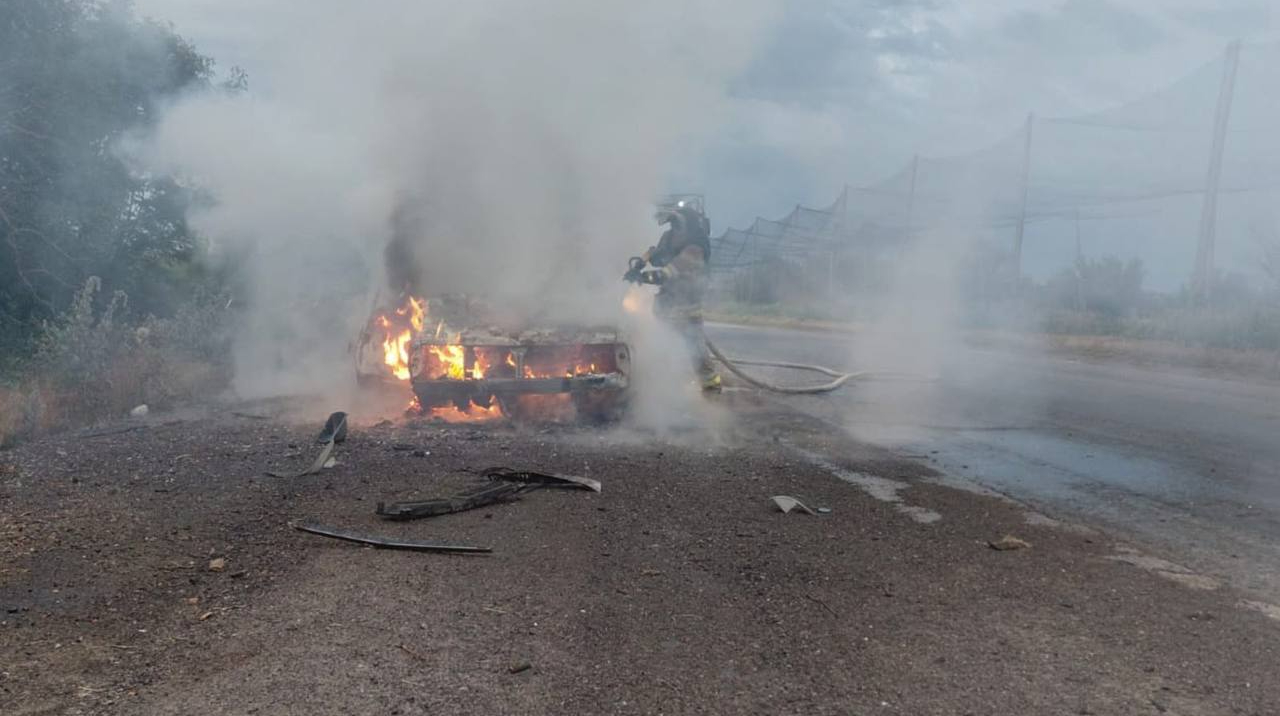
Early on March 8, a low-yield improvised explosive device (IED) detonated near the U.S. Embassy's entrance in Oslo, causing window damage and prompting an immediate evacuation. Police secured a 500-meter perimeter by 10:15 a.m. local time, with no group claiming responsibility. This follows the February 28, 2026, arrest of a 17-year-old Norwegian teen suspected of plotting an attack, influenced by online extremist propaganda. Norway, historically safe since the 2011 Breivik attacks, now faces a surge in youth radicalization tied to platforms like Telegram and TikTok, mirroring trends in Sweden and Denmark.
Why This Matters and Looking Ahead
This incident exposes vulnerabilities in diplomatic security, as U.S. symbols attract anti-Western sentiments from radicalized youth. Social media's role in accelerating extremism—from gaming communities to terror plots—demands proactive measures like enhanced digital surveillance and community programs. Looking ahead, expect Norway to collaborate with the U.S. and EU on cyber operations, potentially leading to stricter visa policies, NATO patrols, and new laws against online radicalization over the next 6-12 months. Risks include copycat attacks and cyber threats, reshaping Europe's counter-terror strategies.
This is a developing story and will be updated as more information becomes available. (Word count: 602)