
Norway's Arctic Frontier: Balancing Geopolitical Tensions and Environmental Realities
Introduction: The Arctic Chessboard
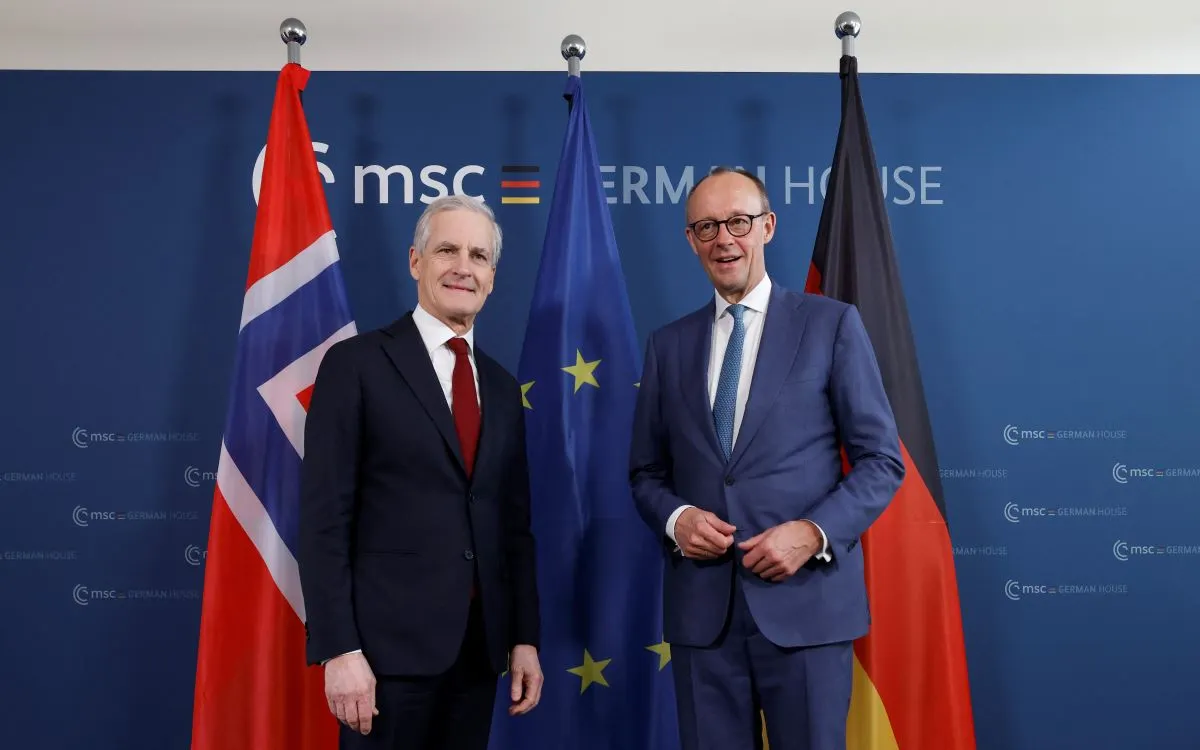
Norway stands at the heart of Arctic geopolitics, where melting ice opens new resources while escalating security risks. Recent March 2026 trilateral talks involving Norwegian Prime Minister Jonas Gahr Støre, German Chancellor Olaf Scholz, and Canadian Prime Minister Justin Trudeau highlight NATO's northern strategy against Russian assertiveness. This analysis goes beyond military focus to integrate environmental sustainability and indigenous rights, showing how Norway must balance alliances, ecology, and equity for global energy, indigenous livelihoods, and international law.
Historical and Current Dynamics in the Arctic
Norway's Arctic role stems from its Cold War position as NATO's icy frontier, balancing proximity to Russia with a 'no permanent bases' policy. Today, events like increased Russian spy activity in January 2026 and NATO's March exercises signal heightened tensions. Environmental changes, such as 13% ice cap shrinkage per decade, expose shipping routes and resources, while indigenous Sami communities face disruptions from militarization, affecting their livelihoods and sacred lands.
Looking Ahead: Implications and Strategies
The Arctic's future demands sustainable approaches. Norway's push for renewables, like offshore wind and hydrogen, could reduce fossil fuel dependencies and mitigate climate risks. However, ongoing sanctions on Russia and potential conflicts underscore the need for inclusive policies that amplify Sami voices and foster international cooperation. By 2030, a 'Green Arctic Pact' could prevent escalation, turning challenges into opportunities for global security and environmental stewardship.
Sources and references as provided in the original article.