
North Korea Launches Ballistic Missile as Tensions Flare with South Over Alleged Drone Incursions
Seoul/Pyongyang – North Korea conducted a ballistic missile launch on January 4, 2026, signaling continued advancements in its weapons program, just days before accusing South Korea of sending drones across the border, an incident that has ratcheted up military frictions on the Korean Peninsula.
The missile test, which occurred at approximately 00:30 GMT, was accompanied by statements from North Korean leader Kim Jong-un underscoring the urgency to "expand and modernize" the country's missile production capabilities. This launch marks another in a series of provocative military demonstrations by Pyongyang, amid stalled diplomatic efforts and international sanctions aimed at curbing its nuclear and missile ambitions.
Just six days later, on January 10, North Korea escalated rhetoric against its southern neighbor, claiming to have shot down South Korean drones that intruded into its airspace. Pyongyang described the alleged incursion as an "unpardonable hysteria" and a violation of its sovereignty, vowing "severe repercussions" if such actions continue. South Korea swiftly denied the accusations, stating it does not operate the drone models displayed by North Korea in propaganda footage and suggesting the devices might belong to civilians. Seoul has pledged to investigate but maintained that its military was not involved.
The drone dispute echoes previous standoffs along the heavily fortified Demilitarized Zone (DMZ), which separates the two Koreas since the armistice that ended the Korean War in 1953. In recent years, South Korean activists and defectors have used commercial drones to drop anti-regime propaganda leaflets, USB drives with South Korean media, and other materials over North Korean territory. These operations have infuriated Pyongyang, which views them as psychological warfare. In response, North Korea has threatened military action and, in 2024, demolished inter-Korean liaison offices and roads as symbolic retaliation.
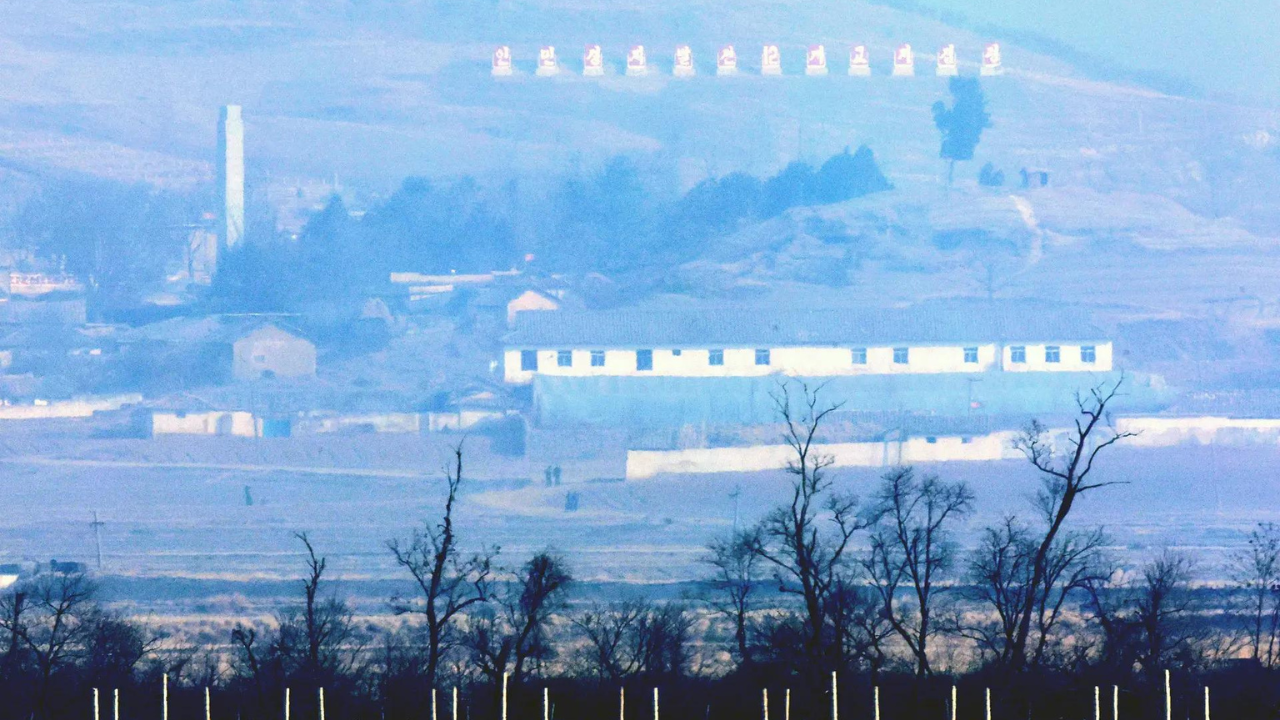
North Korean state media reported that its forces detected and downed multiple drones near the border city of Kaesong, close to the DMZ. The incident prompted Pyongyang to label South Korea's denials as "shameless" and warn of an "immediate military strike" should incursions persist. This comes against the backdrop of the ballistic missile launch earlier in the week, which South Korean and Japanese militaries tracked flying into the Sea of Japan (East Sea). The missile's trajectory and capabilities remain under analysis by international observers, but it aligns with North Korea's pattern of testing intermediate- and long-range systems designed to reach U.S. allies in the region.
Historical Context and Broader Geopolitics
North Korea's missile program has accelerated since the collapse of U.S.-North Korea summits in 2019, with over 100 launches recorded in 2022 alone—the highest annual figure to date. Kim Jong-un has framed these developments as essential deterrence against perceived threats from the U.S., South Korea, and Japan, who conduct joint military exercises that Pyongyang condemns as invasion rehearsals. The January 4 launch follows a December 2025 test of a solid-fuel Hwasong-18 intercontinental ballistic missile (ICBM), highlighting ongoing efforts to refine mobile, hard-to-detect launchers.
The drone accusations fit into a cycle of low-level provocations that risk miscalculation. In 2022, similar claims led North Korea to fire artillery near disputed western sea border islands, prompting South Korean counter-fire. The U.S., a treaty ally of Seoul, has reaffirmed its "ironclad" commitment to South Korea's defense, with recent trilateral summits involving Japan strengthening intelligence-sharing on North Korean threats.
International reactions to the latest events have been measured but firm. The United Nations Security Council, which has imposed sanctions since 2006 over North Korea's nuclear tests, is monitoring the situation. U.S. State Department spokespersons reiterated calls for Pyongyang to return to dialogue, while emphasizing that any aggression would face a unified response. China, North Korea's primary economic lifeline, has urged restraint without directly criticizing its ally.
South Korean President Yoon Suk Yeol's administration, which took a harder line toward the North after assuming power in 2022, faces domestic pressure to respond robustly without provoking war. Seoul's denial of drone involvement underscores efforts to de-escalate, even as it bolsters border surveillance.
Outlook Amid Rising Stakes
These back-to-back incidents underscore the fragility of stability on the Korean Peninsula, where over 28,000 U.S. troops are stationed. Analysts note that North Korea's emphasis on missile modernization, as stated by Kim, suggests preparations for more frequent tests, potentially including nuclear-capable warheads. The drone row, if unresolved, could lead to further border clashes, reminiscent of the 2010 Yeonpyeong Island shelling that killed four South Koreans.
As winter sets in along the DMZ—infamously called the world's most dangerous border—both sides maintain high alert status. Diplomatic channels remain dormant, with no high-level talks since 2019. The international community watches closely, wary that missteps could spiral into broader conflict in an already volatile Indo-Pacific region.
(Word count: 712)