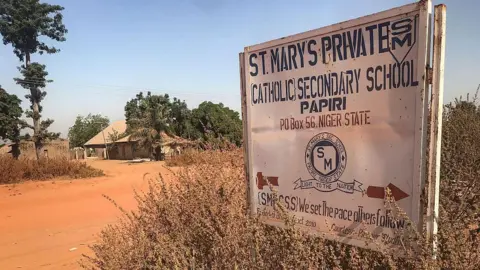
Nigeria: Schools in Safe Areas Reopen Following Mass Abduction of 250 Children

Latest from X
Nigeria: Schools in Safe Areas Reopen Following Mass Abduction of 250 Children
In a significant development for Nigeria’s education sector, schools in designated "safe and secure areas" of Niger State are set to reopen on January 12, 2026, following a months-long closure triggered by the mass abduction of over 250 children in November 2025. The announcement comes as a cautious step toward normalcy in a region plagued by recurring security threats, including kidnappings and attacks on educational institutions.
The Niger State Government, through the Ministry of Basic and Secondary Education, confirmed the partial reopening, emphasizing that the safety of students, teachers, and school communities remains a top priority. Dr. Hadiza Asebe Mohammed, the Commissioner for Basic and Secondary Education, stated in a recent release that only schools in areas deemed secure by authorities would resume operations. "The safety of our children is paramount, and we urge all stakeholders to comply with the directives for the collective interest of peace and sustainable educational development," the statement read, as reported by Daily Post Nigeria.
Details of the November Abduction
The mass abduction in November 2025 sent shockwaves through Nigeria and the international community, marking one of the largest such incidents in recent years. Over 250 children were taken from a Catholic school in northwest Niger State by armed gunmen, an event that followed closely on the heels of another violent attack on a church service in the region. According to Reuters, this was the second major assault within a week, highlighting the escalating insecurity in northern Nigeria. While authorities have since confirmed the release of many of the abducted students, with the last of them freed in December 2025 as reported by the BBC, the incident has left a lasting impact on communities and the education system.
The closures that followed were part of a broader response by federal and state governments to curb the surge in kidnappings and terrorist activities targeting schools. Northern Nigeria, in particular, has been a hotspot for such crimes, often perpetrated by bandit groups seeking ransom or political leverage. The forced shutdowns left hundreds of thousands of students out of school, exacerbating an already dire educational crisis in the region.
Background: A Persistent Threat to Education
School abductions have become a grim hallmark of insecurity in Nigeria over the past decade, with notable incidents dating back to the 2014 kidnapping of over 200 girls from Chibok by Boko Haram. According to the United Nations, more than 1,000 schools have been forced to close in northwest Nigeria since December 2020 due to the rapid rise in mass kidnappings, affecting hundreds of thousands of students. The targeting of educational institutions is often seen as a tactic to destabilize communities and hinder progress, with children and their families bearing the brunt of the violence.
The Nigerian government has faced criticism for its handling of the security situation, with calls for more robust measures to protect vulnerable populations. Efforts to bolster security around schools, including the deployment of armed guards and community vigilance programs, have been implemented sporadically, but the scale of the challenge remains immense in a country grappling with economic and political instability.
Community and Government Response
The decision to reopen schools has been met with a mix of relief and apprehension. Parents and educators have expressed hope that the resumption of classes will help children regain a sense of normalcy, but concerns about safety linger. The Niger State Government has appealed for cooperation from all stakeholders, promising to continue monitoring the situation and adjust policies as needed to ensure the protection of students and staff.
Posts on X from credible sources reflect the ongoing discourse surrounding the reopening. For instance, Premium Times, a leading Nigerian news outlet, recently shared an update on the partial reopening of schools in Niger State, underscoring the cautious optimism surrounding the move. Similarly, Dawn Herald News reported on the official announcement, noting the specific resumption date of January 12, 2026, for both public and private schools in the state.
Outlook: A Long Road to Recovery
As schools prepare to welcome students back, the reopening marks a tentative step forward for Niger State and Nigeria as a whole. However, the broader issue of insecurity remains unresolved, with experts warning that without comprehensive reforms and sustained investment in security infrastructure, such incidents could recur. The government faces the dual challenge of rebuilding trust in the education system while addressing the root causes of violence and instability in the region.
For now, the focus remains on ensuring that the reopening proceeds smoothly and that the safety measures promised by authorities are effectively implemented. The resilience of Nigerian communities will be tested once again, as they strive to protect the right to education amidst an environment of uncertainty.
Track this story live
Original Sources
- •
- •Niger govt approves reopening of schools amid insecurity— Daily Post Nigeria
Editorial process: This article was synthesized from the original sources cited above using The World Now's AI editorial system, with byline accountability from our editorial team. We grade every story for source grounding, factual coherence, and on-topic match before publication. Read more about our editorial standards and contributors. Spot something inaccurate? Let us know.
Last updated: January 17, 2026






